
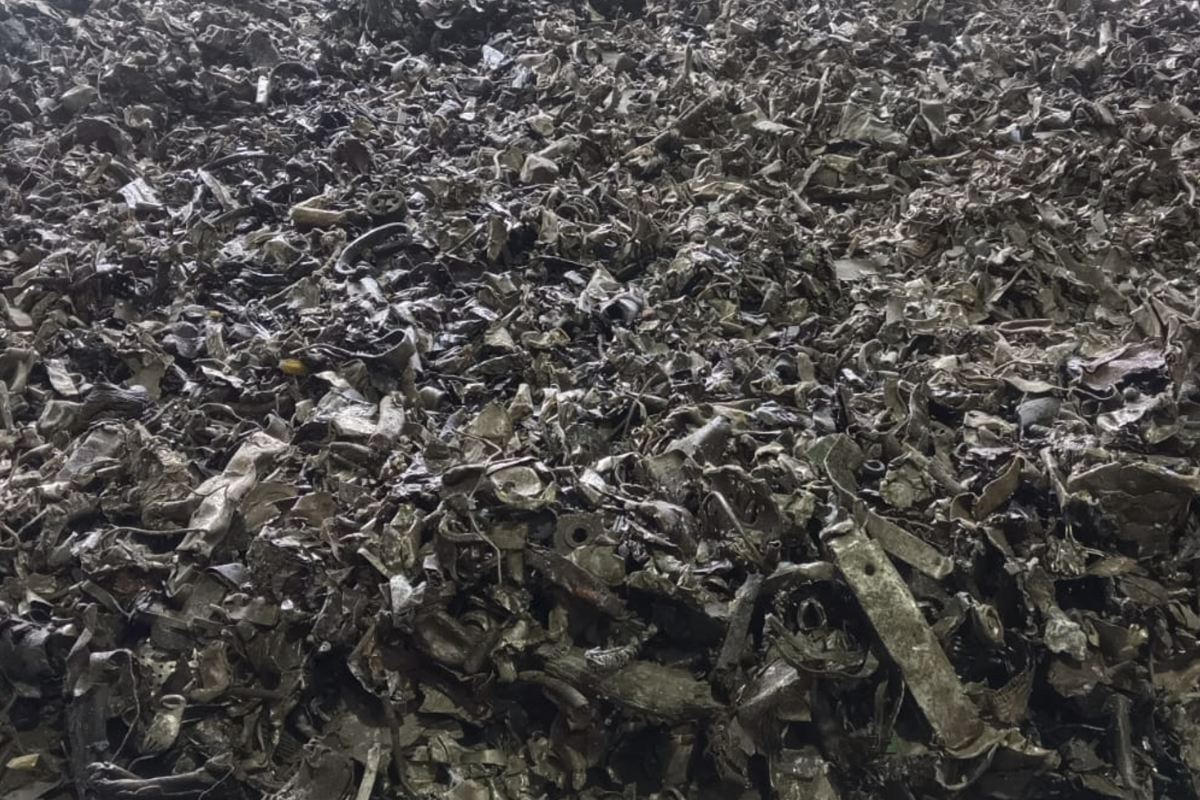
The export of scrap from Europe to Asia has been a recurring theme in recent months. For some companies, this is a natural sales channel, especially when there is no demand for certain fractions in Europe or the demand is there, but the prices do not balance the costs of preparing the material.
Dotyczy to zwłaszcza aluminium zanieczyszczonego tworzywem, mieszanek aluminium z przerobu shredderowego (np. Zorba), czyli materiału, który bywa trudny do sprzedaży w Europie w warunkach słabszego rynku i ograniczonej chłonności niektórych odbiorców.
At the same time, the EU has started to look at scrap not just as 'trade', but as part of the industry's raw material security. And this is the main change that will affect the market in 2026.
Exports to Asia - current situation
Z perspektywy eksporterów mechanizm jest prosty: kiedy Europa spowalnia, a odlewnie i konsumenci ograniczają zakupy, część wolumenów naturalnie „odpływa” na rynki zewnętrzne. To dotyczy nie tylko aluminium, ale też copper, stopów miedzi (np. mosiądz) i złomu stalowego.
W praktyce eksport do Azji pełni dziś kilka funkcji jednocześnie:
- stabilises sales during periods of weaker demand in Europe,
- gives the opportunity to sell fractions that are more difficult to market in the EU
- sets a price 'benchmark' (the so-called 'netback') from which the European market often starts discussions.
What is changing on the EU side and why it matters
Monitoring of scrap flows already in operation
From 23 July 2025, the European Commission has launched customs surveillance of imports and exports of metal scrap (ferrous/steel, aluminium, copper). In the communication, the EC explicitly indicates that the aim is to collect data so that targeted trade measures can be implemented to support the availability of scrap to EU industry.
This means one thing for the market: more visibility and a greater willingness to regulate exports if the EC deems that there is too much scrap 'escaping'.
Aluminium is first in line - and as early as 2026
In November 2025, Commissioner Maroš Šefčovič was straightforward in saying that the EC does not want to block exports completely, but to prepare a 'balanced' measure to limit aluminium scrap exports, which will be adopted in spring 2026.
Jak to wpłynie na eksporterów w 2026?
In my view, three areas will be key:
1) Regulatory risk will start to be a real cost
If a tool such as fees/levies, licences or additional requirements comes in - then a new element will appear in the calculation for the exporter.
In practice, this means:
- more careful purchases of contaminated aluminium,
- greater role of contractual provisions (change in law / change in costs / deadlines).
2) More market volatility
The announcement of regulations in practice may cause price changes in the market, especially for aluminium, which is exported outside the EU (Zorba, Al. foils, Al. caps contaminated with plastic, material from incineration plants and many others.
Jak to wpłynie na ceny złomów i na rynek w Europie?
There is no one simple answer here, because it depends on the faction. But the general mechanism is quite predictable:
- If exports (especially of aluminium) become more expensive or more difficult, some of the material will stay in Europe.
This, in the short term, could mean pressure on the prices of typically exportable fractions (especially those that are more difficult to manage in the EU. - At the same time, for European customers this could mean greater availability of raw material and potentially greater negotiating power on the buyer's side - at least until the market adjusts capacity and real demand.
What to do today
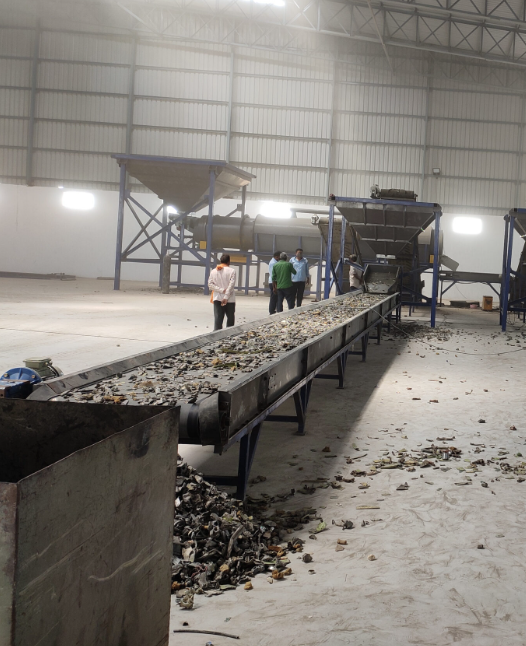
Jeśli posiadasz odpad aluminium, który jest eksportowany poza EU poszukaj europejskich recyklerów, którzy będą w stanie przetworzyć materiał oddzielając frakcje metali, tworzywa i innych zanieczyszczeń od siebie. Zapraszamy również do współpracy z Grupą RADO. Zgłoś się do RMC Poland chętnie kupimy odpad który posiadasz i przetworzymy na posiadanych w Grupie instalacjach.
RM