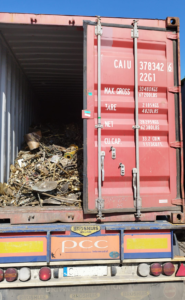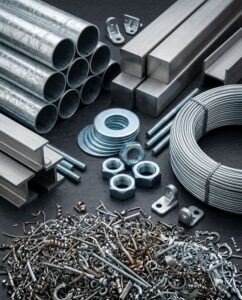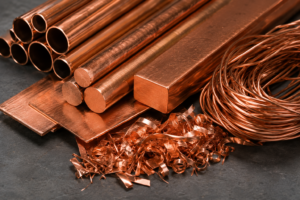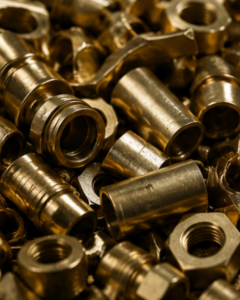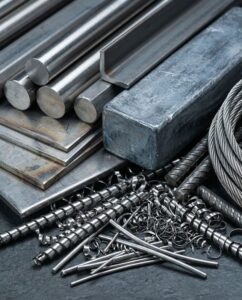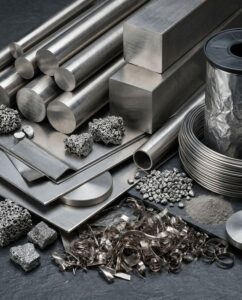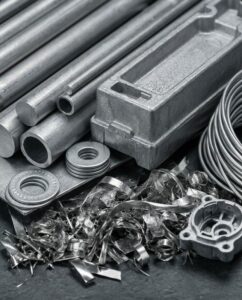


In recent months, the issue of scrap exports from Europe to Asia has been coming up with increasing frequency. For some companies, this is a natural sales channel, particularly when there is no demand in Europe for certain grades, or when there is demand but the prices do not cover the costs of preparing the material.
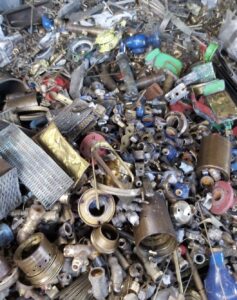
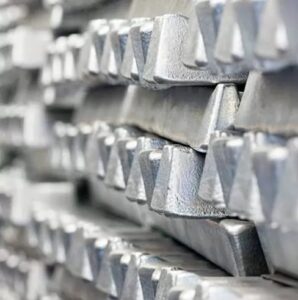
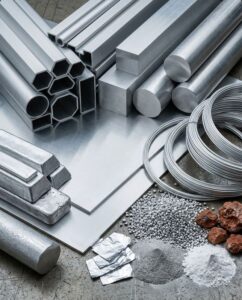
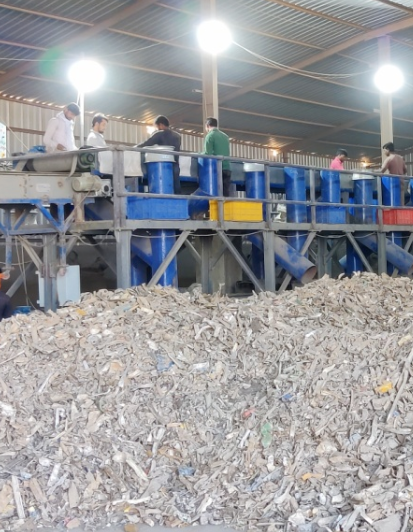
This applies in particular to aluminium contaminated with plastic, aluminium blends from shredder processing (e.g. Zorba), i.e. material that can be difficult to sell in Europe given the weaker market conditions and the limited capacity of certain buyers.
At the same time, the EU has begun to view scrap not merely as a „trade”, but as a key element of the industry’s raw material security. And this is the main change that will shape the market in 2026.
Exports to Asia – the current situation
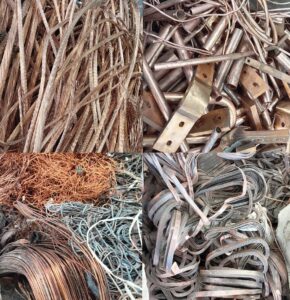
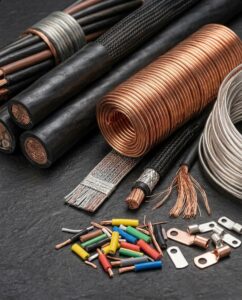
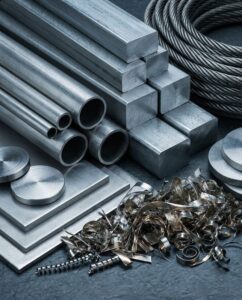
From the exporters„ perspective, the mechanism is simple: when Europe slows down and foundries and consumers cut back on their purchases, some of the volume naturally ”flows’ to external markets. This applies not only to aluminium, but also to copper, copper alloys (e.g. brass) and steel scrap.
In practice exports to Asia It currently fulfils several functions at once:
- stabilises sales during periods of weaker demand in Europe,
- provides an opportunity to sell fractions that are more difficult to trade within the EU
- It sets a price „benchmark” (known as the ‘netback’), which the European market often uses as a starting point for discussions.
What is changing on the EU side, and why does it matter?
Scrap metal flow monitoring, which is already in operation
From 23 July 2025, the European Commission has launched customs monitoring of imports and exports of scrap metal (ferrous/steel, aluminium, copper). In its communication, the EC explicitly states that the aim is to collect data in order to be able to implement targeted trade measures supporting the availability of scrap metal for EU industry.
For the market, this means one thing: greater transparency and a greater likelihood of export controls being imposed if the European Commission considers that too much scrap is „leaking” out.
Aluminium is first in line – as early as 2026
In November 2025, Commissioner Maroš Šefčovič stated clearly that the European Commission did not wish to impose a total ban on exports, but rather to draw up a „balanced” measure to restrict aluminium scrap exports, to be adopted in spring 2026.
How will this affect exporters in 2026?
In my view, three areas will be key:
1) Regulatory risk will start to represent a real cost
If a tool relating to charges/levies, licences or additional requirements is introduced, a new element will appear in the exporter’s cost calculation.
In practice, this means:
- a more cautious approach to purchasing contaminated aluminium,
- a greater emphasis on contractual provisions (changes to the law / changes to costs / deadlines).
2) Greater market volatility
In practice, the announcement of these regulations may lead to price changes on the market, particularly for aluminium that is exported outside the EU (Zorba, aluminium foil, aluminium caps contaminated with plastic, material from incineration plants and many others).
How will this affect scrap prices and the market in Europe?
There’s no single, straightforward answer here, as it depends on the faction. But the general mechanism is fairly predictable:
- If exports (particularly of aluminium) become more expensive or more difficult, some of the material will remain in Europe.
In the short term, this may put pressure on the prices of typically export-oriented fractions (particularly those that are more difficult to utilise within the EU). - At the same time, for European customers, this may mean greater availability of the raw material and, potentially, greater bargaining power on the part of the buyer – at least until the market has adjusted its processing capacity to match actual demand.
What you should do today
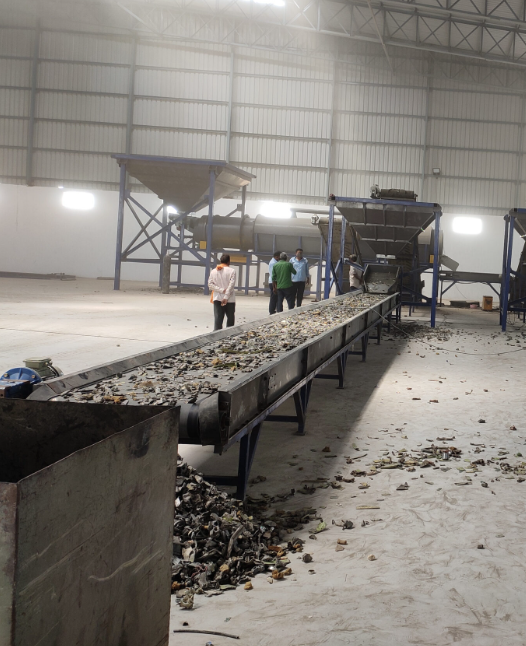
If you have aluminium waste that is exported outside the EU, look for European recyclers who will be able to process the material by separating the metal, plastic and other contaminants from one another. We also invite you to work with the RADO Group. Please contact RMC Poland We would be happy to purchase the waste you have and process it at the Group’s facilities.
RM