
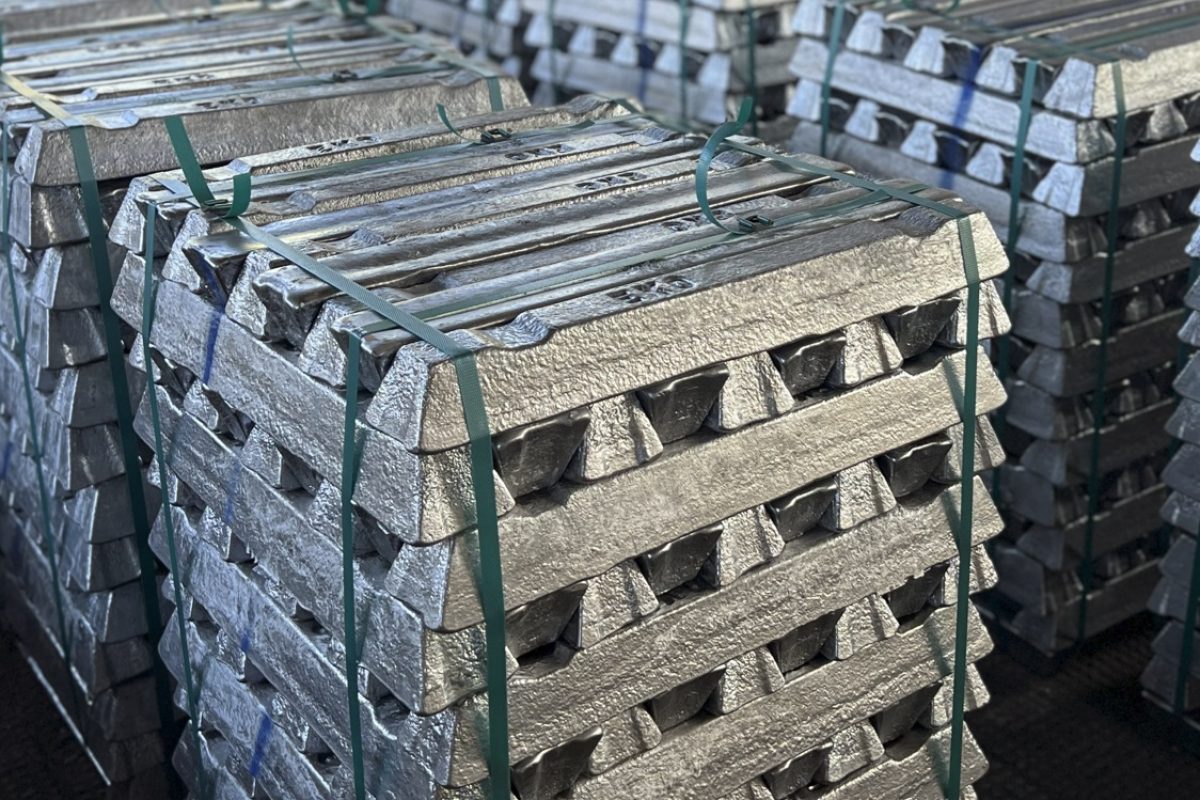
The year 2026 will bring fundamental regulatory changes for the aluminium market in the European Union. For metal traders and recyclers, this means that business models will need to adapt to new regulatory, cost and logistical realities. Two areas will be key: the full implementation of the CBAM mechanism and the planned restrictions on aluminium scrap exports outside the EU.
CBAM - this is the new cost of aluminium imported into Europe
From 1 January 2026, the Carbon Border Adjustment Mechanism (CBAM) will enter its target phase. This means that aluminium imports from outside the European Union will be subject to the purchase of CO₂ certificates. In practice, CBAM introduces a carbon cost into the price of aluminium imported into the EU.
This cost will depend on:
- aluminium production technology,
- the energy mix of the country of origin,
- the current ETS allowance price.
For primary aluminium produced in carbon-intensive countries, this could mean a cost increase of up to tens or hundreds of euros per tonne. Secondary aluminium and recycled material, with proper documentation of emissions, will remain significantly more competitive.
Restriction of aluminium scrap exports - planned changes
In parallel, the European Commission plans to introduce mechanisms to restrict the export of aluminium scrap outside the European Union. The aim of these measures is to retain a strategic raw material in Europe and to support the local recycling industry.
Considerations include:
- export duties on aluminium scrap,
- export authorisation or licence system,
- additional quality and environmental requirements.
The first real restrictions could come into force as early as 2026, following the completion of the 2025 legislation.
Implications for the aluminium scrap market
The contaminated scrap and scrap mixtures segments will suffer the greatest consequences of the changes. This material has so far been largely exported to Asia. The reduction in exports will result in a surplus of this type of scrap on the European market and put pressure on prices. In this context, recyclers who are able to separate the various metals from each other should benefit.
At the same time, Europe is struggling with capacity reductions in aluminium smelters, high energy costs and increasingly stringent environmental requirements. The result will be the increasing importance of clean, homogeneous aluminium fractions.
Restriction of aluminium scrap exports - planned changes
In parallel, the European Commission plans to introduce mechanisms to restrict the export of aluminium scrap outside the European Union. The aim of these measures is to retain a strategic raw material in Europe and to support the local recycling industry.
Considerations include:
- export duties on aluminium scrap,
- export authorisation or licence system,
- additional quality and environmental requirements.
The first real restrictions could come into force as early as 2026, following the completion of the 2025 legislation.
Implications for the aluminium scrap market
The contaminated scrap and scrap mixtures segments will suffer the greatest consequences of the changes. This material has so far been largely exported to Asia. The reduction in exports will result in a surplus of this type of scrap on the European market and put pressure on prices. In this context, recyclers who are able to separate the various metals from each other should benefit.
At the same time, Europe is struggling with capacity reductions in aluminium smelters, high energy costs and increasingly stringent environmental requirements. The result will be the increasing importance of clean, homogeneous aluminium fractions.
What does this mean for market participants?
For companies buying scrap metal:
- greater pressure on sorting and quality,
- more difficult sale of low-quality aluminium scrap, e.g. zorba, aluminium with plastic.
- the growing importance of cooperation with specialised recyclers.
- the fall in the price of plastic-contaminated aluminium and Zorba.
For foundries and steelworks:
- greater availability of scrap metal in the EU,
- a fall in the price of lower-quality aluminium,
- an increase in the price of imported primary goose and silicon and other imported alloy additives
For scrap metal fabricators:
- rewarding clean production streams,
- the greater importance of documentation of origin,
- a decrease in the attractiveness of aluminium scrap contaminated with iron or plastic and rubber.
From the perspective of RMC Polska and the entire RADO Group, 2026 will be one of the most challenging times for the European aluminium market in recent years. The implementation of CBAM and the planned restrictions on aluminium scrap exports are significantly changing the operating conditions of the industry, but they come as no surprise to our Group.
RMC Polska and the RADO Group have been preparing for these changes for several years, consistently developing competences in the collection, segregation, purification and remelting of secondary aluminium. Regardless of the final shape of the regulations, we are operationally ready to work with aluminium of any type - both clean and difficult, contaminated raw material.
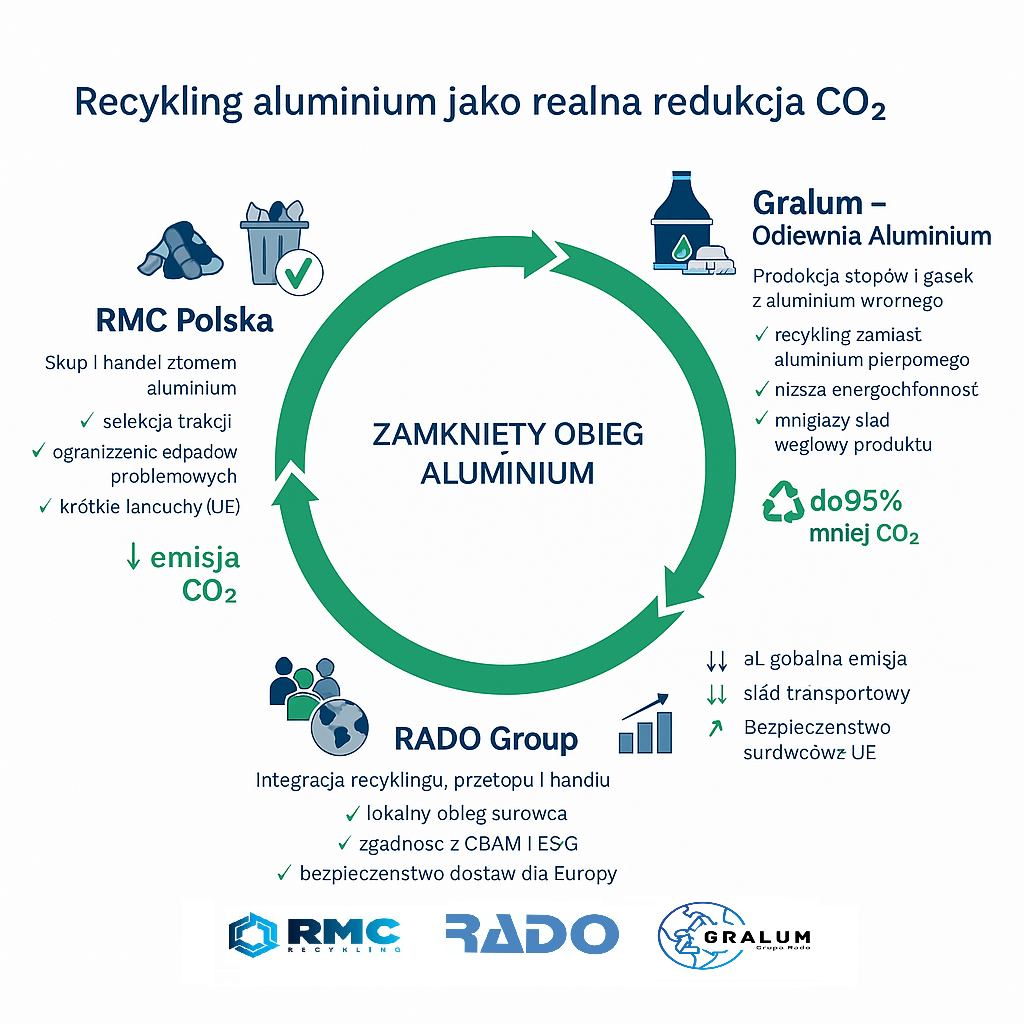
A key advantage of the RADO Group is the clearly defined internal division of roles, based on a closed aluminium cycle:
- RMC Poland is responsible for the purchase and trade of aluminium scrap,
- RADO sp. z o.o. deals with its purification, preparation and quality stabilisation,
- Gralum manufactures aluminium goose from RADO-cleaned material, based on secondary aluminium.
Such a model allows us to effectively reduce CO₂ emissions, shorten supply chains and ensure stability in quality and volumes - which in the reality of CBAM, environmental pressures and export changes will be crucial for the market.
In our view, the upcoming regulations are not eliminating the scrap industry, but forcing its professionalisation. Companies that have built a technological and organisational base earlier will be able to operate and develop safely in the new reality. The RADO Group is ready for this moment.
RM