

The year 2025 saw record levels of copper prices in Q4, surpassing the €10,000 per tonne mark. Strong demand, limited supply and the growing importance of the energy transition mean that the market enters 2026 with a clear imbalance. For physical market participants - producers, recyclers and traders - this means further price pressure and increased volatility.
Demand for copper
One of the main drivers of copper demand growth remains the energy transition. The development of renewable energy sources, the modernisation of transmission networks and investments in energy storage are generating high demand for copper, used in both conductors and energy infrastructure components.
Electromobility remains an important area. Electric vehicles consume significantly more copper than internal combustion engine vehicles, and additional demand is generated by charging infrastructure, public transport and urban modernisation.
Industry and the digitalisation of the economy are also growing in importance. The automation of processes, the development of data centres and IT infrastructure are increasing the consumption of copper in electrical installations and cooling systems.
With these growth factors in mind, the role of the construction sector, which is currently in a clear downturn, cannot be overlooked. The residential and infrastructure construction industry is one of the key consumers of copper, particularly for electrical installations, transmission networks and technical equipment for buildings.
In the event of a recovery in the construction market, driven by, among other things, a reduction in the cost of credit and an improvement in the availability of financing, an additional demand boost for copper can be expected.
Copper supply
The rate of growth in copper mining remains limited. New mining projects require years of investment and access to high quality deposits is becoming increasingly difficult. In addition, rising energy costs and increasingly stringent environmental regulations are affecting the viability of new mining investments.
The supply situation is further exacerbated by unexpected operational disruptions at existing mines. A significant example is the incident at one of the world's largest copper mines, Grasberg, where technical problems in the underground part of the plant led to a significant reduction in production. This event had a direct impact on global supply forecasts, forcing analysts to revise expected mining volumes for 2025-2026.
Recycling and scrap copper
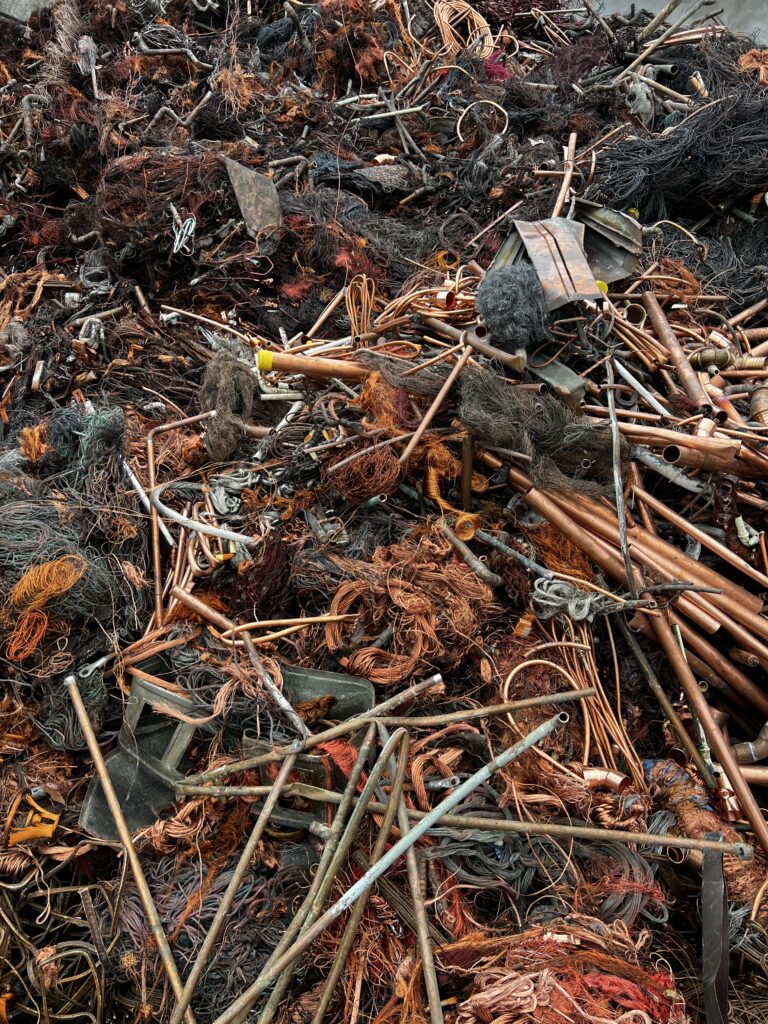
In an environment of limited mining growth, copper recycling and the trade in copper scrap are playing an increasingly important role. Secondary raw materials are becoming an important element of market balancing, especially in Europe.
With current levels of copper prices on world markets, changes in the pricing policy of smelters in terms of annual contracts are to be expected. High primary metal prices favour increasing discounts (discounts) on recycled copper, which directly affects trading conditions on the scrap market.
At the same time, the high supply of copper scrap in Q4 2025, due to, among other things, the realisation of inventories at record prices, may in the short term result in reduced scrap availability in 2026, which will translate into increased competition for raw material and improved pricing conditions for suppliers.
Exchange rate
A significant factor influencing copper prices on the scrap market remains the exchange rate. Fluctuations in the exchange rate of the Polish zloty can cause a change in the price of the raw material at domestic sourcing, even when exchange quotations are stable. For the Polish market, this means greater price volatility and the need for ongoing hedging of the copper price in the RMC 😊.

Balance of the market in 2026
The juxtaposition of increasing demand with limited supply - both primary and secondary - leads to a real risk of a copper deficit in 2026. Even a small imbalance between production and consumption could result in price pressure, periodic raw material availability problems and increased market volatility.
Summary
The copper market enters 2026 in a very difficult and volatile phase. On the one hand, demand for copper is high and continues to grow (energy, electromobility, industry and, in the future, construction). On the other hand, the supply of copper is limited - both in the mines and in the scrap market. This is compounded by unpredictable events such as problems at large mines and fluctuations in the exchange rate of the zloty.
For scrap companies, this means one thing: prices can fluctuate wildly, and trying to 'wait for an even better price' involves real risks.
Enough is enough:
- exchange rate changes,
- stock market price correction,
-increased supply of scrap metal at any given time,
so that the price at the buyer falls faster than expected.
Therefore, it is not worth speculating and holding copper indefinitely, hoping for further increases. Such a strategy often ends in a loss rather than a profit.
The safest solution under current conditions is:
- Current copper sales to RMC 😊,
- price hedging at current, levels,
- regular rotation of goods instead of stockpiling and risking drops.
RMC offers stable terms of business, market prices and the ability to hedge the value of copper on an ongoing basis. In times of high volatility, it is better to have a certain price today than to count on an uncertain tomorrow.
Sell copper on an ongoing basis to the RMC and protect your margin - rather than risk a loss.
MK and RM