
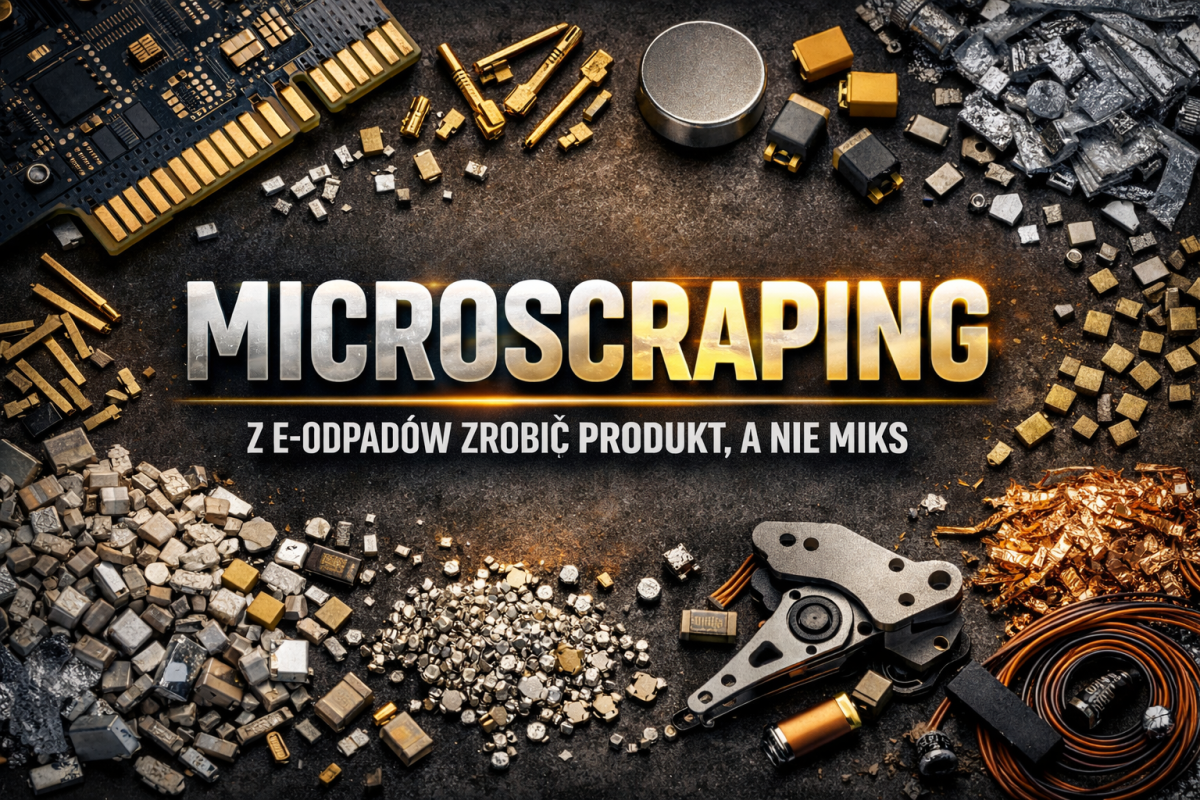
Na rynku e-odpadów najwięcej pieniędzy traci się nie na technologii, tylko na miksowaniu. Ktoś zbiera elektronikę, wrzuca wszystko do jednego worka, nazywa to „e-scrap” i liczy, że odbiorca „jakoś to policzy”. Policzy. Tylko zwykle na swoją korzyść.
Microscraping powstał dokładnie jako odpowiedź na ten problem. To podejście, w którym nie handlujesz „elektroniką”, tylko nośnikami wartości – wydzielonymi mikrofrakcjami, które rynek rozumie, potrafi zweryfikować i uczciwie wycenić.
What is microscraping?
Microscraping to praktyczna metoda pracy z e-odpadami, which involves breaking the stream into fractions of predictable composition - rather than selling a single, heterogeneous 'mix'.
In a nutshell:
you don't sell "phones", but e.g. PCBs in classes + connectors / contacts + magnets + selected components,
you do not sell "electronics", but material prepared for a specific processing technology.
To jest urban mining w wersji operacyjnej: mniej sloganów, więcej liczb i standardu.
What is microscraping?
Microscraping nie zaczyna się od młotka i śrubokręta. Zaczyna się od myślenia jak handlowiec i technolog jednocześnie.
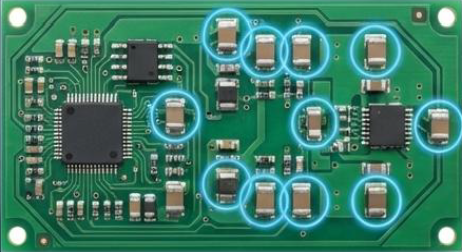
W microscrapingu zaczyna się od pytania: gdzie w danym strumieniu jest nośnik metalu. Poniżej opisujemy krok po kroku od czego zacząć przygodę z microscrapingiem.
1) Identification of carriers of value
In e-waste, value is concentrated in a few typical places:
connectors and contacts (where there are coatings and contact),
PCB (but in grades - high grade is not the same as low grade),
systems and modules (depending on the flow),
MLCC / selected SMD components (only if you have the volume and sales plan),
NdFeB magnets (REE main logic in electronics),
sometimes LCD/ITO (ind) - but here the whole chain counts.
Not all at once. Microscraping makes sense when you choose those fractions that do score, not those that 'sound cool'.
2) Selection and dismantling - only where it stacks up
This is the part where many companies make a mistake: they do too much manual work without counting the cost.
Microscraping is not 'we rock everything'. It is:
we separate out that which has the best value for work,
The rest is left in the stream, which has a recipient anyway.
The best implementations start with 2-3 fractions. The rest come later.
3) Standardisation of fractions
This is the element that makes the difference between 'segregation' and microscraping.
Standardisation means:
clear class definitions (e.g. PCB high/med/low),
reproducible packaging and labelling,
pollution limit,
batch repeatability.
The market pays for predictability. If the batch is predictable, the buyer does not need to 'hedge' with price.
4) Sale of fractions to appropriate customers
The biggest mistake in the e-scrap trade: wanting to sell everything to one place "because it's easier".
Microscraping works in reverse:
each fraction goes where it makes technological and price sense,
and you stop giving away the margin "for the risk of unknown composition".
Gdzie sprzedać pozyskane elementy?
W praktyce microscraping kończy się na jednym pytaniu: gdzie sprzedać wydzielone frakcje, żeby nie oddać wartości „w miksie”. PCB w klasach, złącza/styki, MLCC, magnesy NdFeB czy tantal mają sens tylko wtedy, gdy trafiają do odbiorcy, który rozumie ich wartość i ma właściwy kierunek przerobu.
Dlatego naturalnym partnerem jest RMC Poland – bo zajmujemy się handlem i organizacją zagospodarowania takich frakcji: prawidłowa klasyfikacja, standard partii, logistyka i dopasowanie odbiorcy do materiału przekładają się na lepszą wycenę i stabilną sprzedaż. Krótko: nie sprzedajesz e-scrapu – sprzedajesz produkt, a my pomagamy zrobić to tak, żeby wartość została po Twojej stronie.
If you want to see what microscraping looks like in practice, watch our presentation. In it, we show you specifically where the value sits in electronics, what fractions are worth microscraping (from PCBs and connectors to MLCC and NdFeB magnets) and how to put it together so that the material becomes a commercial product rather than a 'mix-and-match surprise'. There are also figures, examples and simple implementation logic - so that you can immediately translate this into real pricing and sales.
Check out the presentation and see which fractions in your stream can make the biggest difference.
Powered By EmbedPress
RM 3.01.2026