

Everything You Need to Know About Cable Recycling
Recycling is a key element of efforts aimed at protecting the natural environment and reducing the negative impact of human activity on our planet. Recycling companies, such as the RADO Group, play an important role in this process, helping to reduce the consumption of natural resources and lower greenhouse gas emissions.
Types of Cables
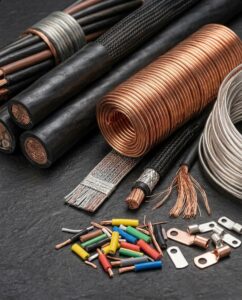
There are currently a great many types of cables on the market which contain valuable raw materials such as copper, aluminium, tin and nickel, as well as plastics such as polyethylene, PVC and rubber.
We distinguish between the following types of cables:
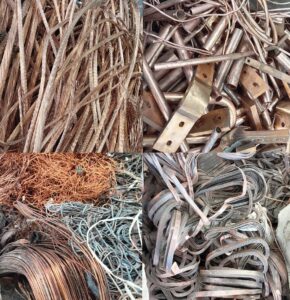
Copper cables
- Telecommunications and energy distribution centres
- Cables lead-based telecommunications
- Gels used in the telecommunications and energy sectors
- From electrical and electronic equipment
- Car wiring harness
- Potatoes containing petroleum-derived substances
- Control systems used in rail transport and mining
- Electrical – installation work carried out in the construction industry
- Underwater
Aluminium Cables
- Dry materials used in construction
- Plumbing fittings formerly used in the building trade
- Potatoes containing petroleum-derived substances
- Aluminium cable with ACSR steel strand (AFL)
Fibre-optic cables
- Used for data transmission. They do not contain precious metals
In most cases, scrap cables fall under waste codes 17 04 11; 17 04 10*; 16 03 03*
Recycling of Copper and Aluminium Cables
Given the valuable raw materials contained in cables, many companies in the market are involved in cable recycling. The largest company in Europe to have been involved in cable recycling since 1999 is RADO (www.radogrupa.pl). RMC Polska, on the other hand, is the agent for RADO.
Cable recycling involves recovering raw materials from disused or end-of-life cables, with the aim of both protecting the environment and making effective use of valuable materials. This process comprises several key stages:
- Collection and sorting:
The collection of cables is mainly carried out by scrap metal dealers and specialist recycling companies, which collect scrap cables from various sources, such as electronic waste, the dismantling of electrical installations, the decommissioning of telecommunications and power networks, and renovation and demolition work. The cables are then sorted according to the type of materials they are made of and sent to a recycler.
- Removing insulation:
Once the cables have been collected, the recycling process usually begins with the removal of the insulation. Insulation can be made from various materials, such as PVC, polyethylene or rubber. Mechanical processes are used to separate the insulation from the cable core.
- Shredding:
The cables are then shredded into smaller pieces. Mechanical equipment, such as shredders, can be used to cut the cables into smaller pieces, facilitating the subsequent recycling processes.
- Metal separation:
After shredding, the cables undergo metal separation processes. The waste is passed through machines that utilise differences in weight, density or magnetic properties of individual metals, such as copper, aluminium and steel, to separate them from one another.
- Further cleaning plastics/dust
In order to recover precious metals from cables (100%), a process must be carried out to further clean plastics and dust which may contain metal particles. Induction separators, amongst other things, are used for this purpose.
- Cleaning and processing of raw materials:
The raw materials obtained as a result of the separation process – mainly metals – are sold to smelters and foundries, whilst plastics are used as intermediate products in the manufacture of goods
Recovery (metal recovery)
A key aspect of cable recycling is the recovery of metals (copper and aluminium). This is a crucial factor for any company involved in the collection, sorting and subsequent resale of insulated cable scrap.
Unfortunately, when it comes to recycling copper and aluminium cables, there is sometimes a discrepancy between the copper yield in the cables as declared by raw material suppliers and the actual result of the recycling process. Why does this happen? There are several reasons that may account for the differences between the declared and actual copper recovery rates.
The first reason is the quality of the copper cables supplied. The copper contained in the cables that enters the recycling process may come from various sources and have different properties. For example, the raw material may contain impurities of other metals, such as aluminium, steel, lead, copper-plated aluminium or even copper-plated steel wires, which complicate the cable recycling process and reduce the copper yield from the cable. Suppliers often claim a higher copper recovery rate than is actually achievable given the quality of the raw material’s composition.
The second factor influencing differences in copper yield from cables is the recycling process. The recycling of copper cables is a complex and technologically demanding process that requires a great deal of expertise and a professional facility capable of ensuring maximum copper recovery from the cables with virtually no loss during the recycling process. Consequently, an inappropriate choice of cable processing method or the technology available to a particular recycler can affect the copper yield, even if the cables supplied were of high quality.
Our aim as a recycling company is to ensure the highest possible copper yield from cables, in accordance with the raw material supplier’s declaration. To achieve this, we use state-of-the-art technologies and monitor the recycling processes in a way that minimises raw material losses. In our processes, we ensure that the steel, plastics and dust generated during recycling are thoroughly cleaned so that not even the smallest particle of copper or aluminium is lost. At the end of the process, we also carry out various tests to ensure that the final result after cable recycling is 99.98% of recovered copper and aluminium from the material supplied.
In summary, the differences between the declared and actual copper recovery rates from cables in the recycling process stem from various factors, including the quality of the copper cables, the recycling process itself, and the scale and technology employed by the recycling company. It is important to choose a trusted supplier of copper cables and a recycling company that prioritises the quality of the process and strives to achieve the highest possible copper yield from the cables. At our company, we do everything in our power to provide our customers with the highest quality copper cable recycling service.
You can watch a video explaining why copper isn’t extracted from cables here: Why is there no copper in cables intended for recycling? – YouTube
You can watch a video showing how cables are recycled at RADO here: RADO GRUPA Cable Recycling (youtube.com)