
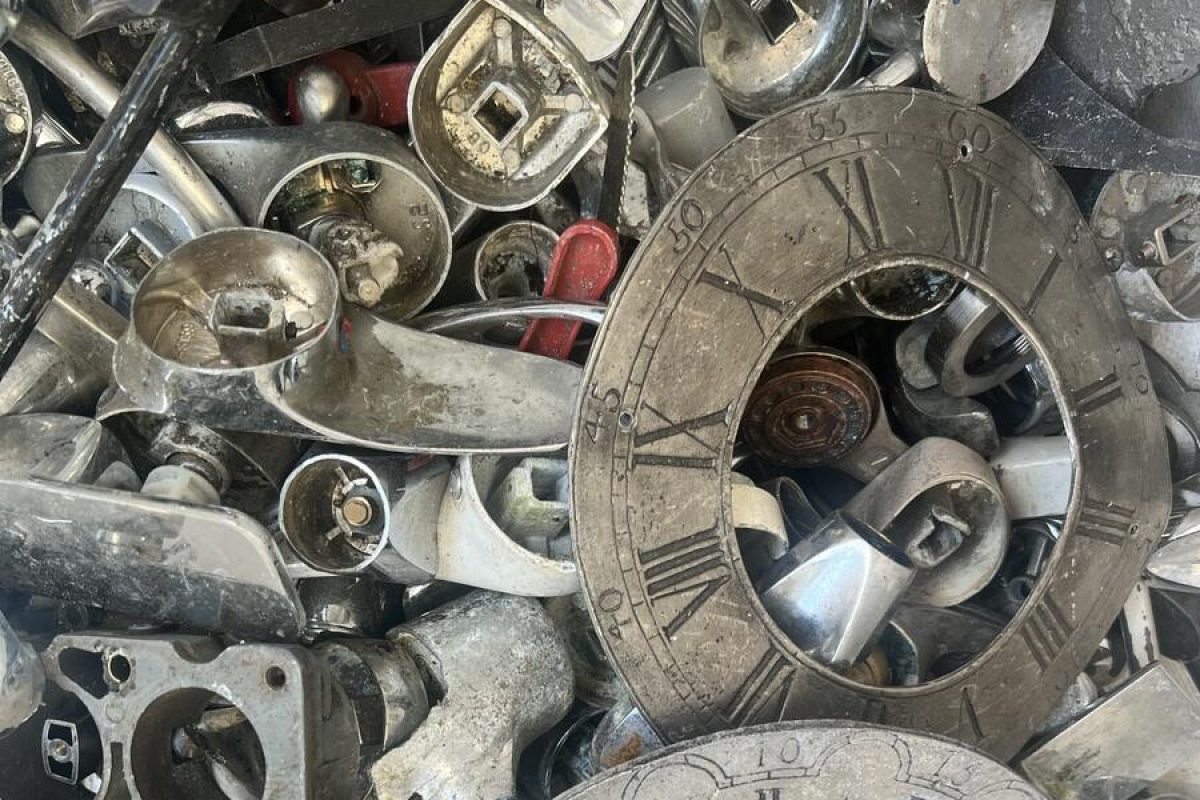
Zinc-aluminium alloy, commonly known as ZnAl, is a material with remarkable properties that plays a key role in many areas of industry. Due to its lightness, strength and corrosion resistance, ZnAl has become an indispensable material in the manufacture of a variety of components, from automotive parts to consumer products. In this article, we take a closer look at this fascinating alloy and its versatile applications.
What is ZnAl, its properties and uses
ZnAl is a grey or silver-coloured zinc-aluminium alloy. It is relatively brittle. The aluminium content of the alloy varies from 3.7% to 28% depending on the expected properties of ZnAl. Compared to aluminium, it is
Lightweight and robust
One of the most impressive features of ZnAl is its excellent combination of lightness and mechanical strength. Despite its low density, the alloy has significant tensile and flexural strength, making it an ideal material for applications that require strength while keeping weight low. As a result, ZnAl is widely used in the manufacture of components that need to be both lightweight and strong.
Corrosion resistance
Another important feature of ZnAl is its excellent corrosion resistance. Due to the presence of zinc in the alloy, a layer of zinc oxide forms on the surface of the material, which protects it from weathering and chemicals. This makes ZnAl an ideal material for outdoor applications and aggressive environments where other materials could degrade.
Industrial applications
ZnAl is used in a wide range of industrial sectors. In the automotive industry, it is used to manufacture a variety of components such as engine housings, suspension components, body components, aircraft parts, electronics parts. Its lightness and strength contribute to reducing the weight of the vehicle and therefore fuel consumption.
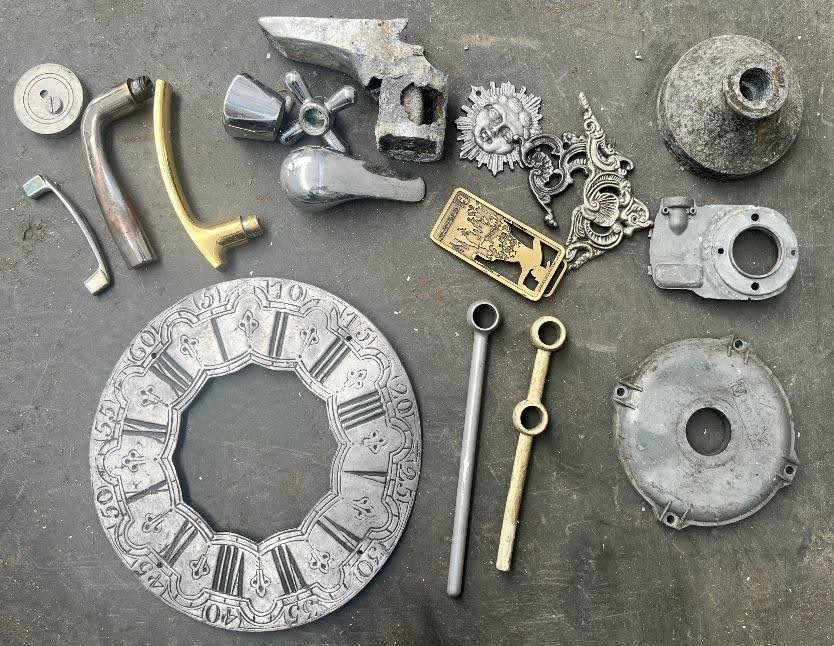
Use in the Home
ZnAl alloys and their applications
An alloy of zinc and aluminium, it is a metal alloy with significant properties and a wide range of applications. It consists mainly of zinc (typically in the range 70% to 96%) and aluminium additives. The combination of these two metals creates a material with unique characteristics that are used in a variety of industrial and manufacturing applications.
The most commonly used zinc-aluminium (ZnAl) alloys differ in the proportions of zinc and aluminium and any alloying additives. Below are some of the most popular ZnAl alloys:
- ZnAl4: A zinc-aluminium alloy containing approximately 4% aluminium. This is one of the popular ratios used in industry, particularly in the manufacture of electronic components such as housings and heat sinks.
- ZnAl8: A zinc-aluminium alloy containing approximately 8% aluminium. This is another popular ratio that is widely used in the automotive industry, as well as in the manufacture of structural components.
- ZnAl12: A zinc-aluminium alloy containing approximately 12% aluminium. It is an alloy with a higher aluminium content, which makes it more durable and corrosion resistant. It is used in the manufacture of automotive parts, building components and in the electronics industry.
- ZnAl20: A zinc-aluminium alloy containing approximately 20% aluminium. This alloy has even higher mechanical strength and corrosion resistance, making it suitable for use in the manufacture of structural and finishing components.
- ZnAl27: A zinc-aluminium alloy containing approximately 27% aluminium. It is an alloy with a very high aluminium content, which makes it very strong and corrosion resistant. It is used in advanced industrial applications such as aerospace component manufacturing and precision machining.
- The ZnAl alloys shown are just a few examples as there are many other proportions and variants of zinc-aluminium alloys that are tailored to specific requirements and applications in different industries.
You can download information on castable zinc-aluminium alloys (ZnAl) HERE
How to distinguish ZnAl from other metals.
Zlal is a raw material that, like other metals, we can sell at the scrap yard. As its price is several times higher than steel scrap, it is worth knowing how to distinguish it from steel.
ZnAl is grey in colour, sometimes silver. Its weight is heavier than Aluminium, however, it is lighter than other metals. ZnAl is not magnetic (a magnet does not catch it). It is a relatively brittle alloy, lighter on the outside and darker on the inside. The difference in colour is due to the coating of ZnAlu with zinc oxide, which protects it from corrosion.
What is the price of ZnAl?
The price of scrap ZnAl at the scrap yard depends on a number of factors, and the value of ZnAl can fluctuate depending on the current market situation
What does the price of ZnAl depend on?
- Commodity prices: The price of ZnAl often correlates with the prices of raw materials such as zinc and aluminium. An increase in the price of these raw materials on the LME (London Metal Exchange) usually results in an increase in the price of ZnAl alloy, while a decrease in these raw materials can lead to a decrease in its price.
- Material purity: The price of ZnAl at the purchaser can vary depending on the purity of the material. Typically, buyers offer better prices for material with higher purity, e.g. post-production ZnAl, which requires less purification and processing.
- Batch size: For larger batches of material, it is often possible to negotiate a better price for ZnAlu at the scrap yard. Buyers may offer lower prices for smaller quantities, but better rates for larger shipments.
- Demand and supply: The price of ZnAl scrap is also affected by supply and demand in the market. During periods when demand is high or supply is limited, prices may be higher, and during periods when demand is low or supply exceeds demand, prices may be lower.
- Local regulations and market conditions: ZnAl prices can also depend on local regulations, taxes, transport costs and other factors that affect the costs of scrap collectors, recyclers or ZnAl foundries.
- Market conditions and economic prosperity: The general condition of the economy, industry trends and changes in the economic climate can also affect ZnAl prices in the scrap procurement market.
Recycling and environmental protection
Due to its valuable properties, ZnAl is also recycled. Recycling of this alloy contributes to a reduction in the consumption of natural raw materials and a reduction in landfill waste and Co2 emissions, which has a positive impact on the environment. Further development of recycling technology can further increase its value as a valuable secondary raw material.
Summary
ZnAl is an alloy with countless applications that has become an indispensable material in many areas of industry thanks to its lightness, strength and corrosion resistance. Its versatility makes it play a key role in the production of a variety of components for domestic use as well as in industry.