Home » Material analysis

RMC Polska’s in-house laboratory

Material analysis

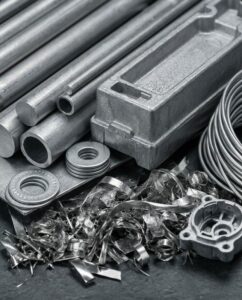
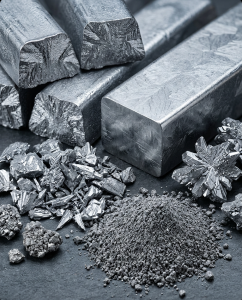
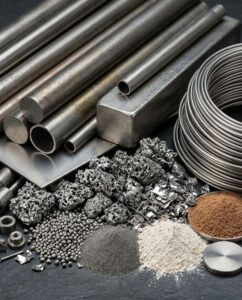
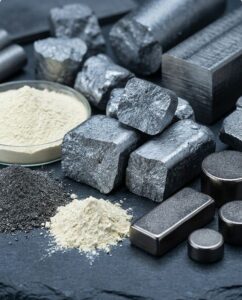
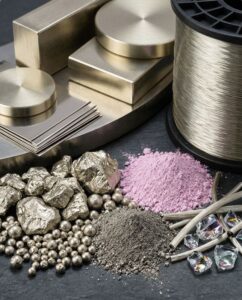
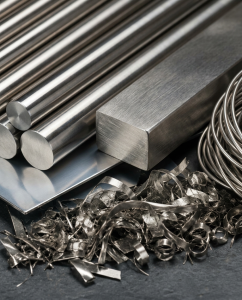
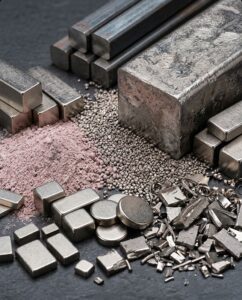
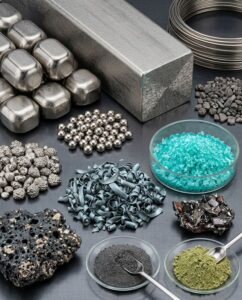
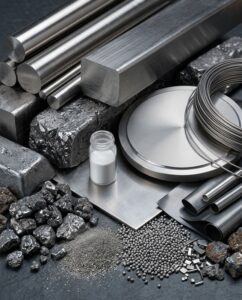
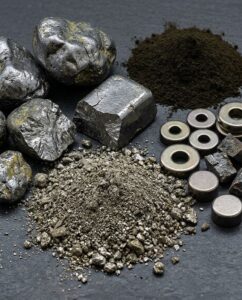
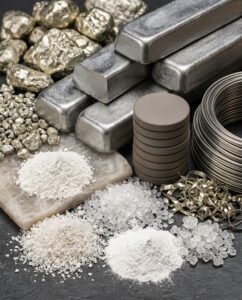
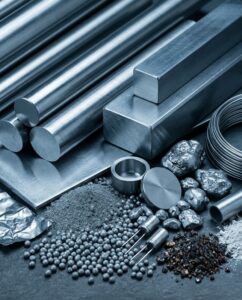
We analyse the composition of metals, alloys and secondary raw materials, identify the elements and assess the material’s market value. We use state-of-the-art measuring equipment, which enables us to provide you with results quickly and in a clear format.
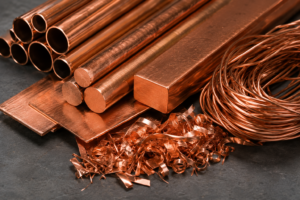
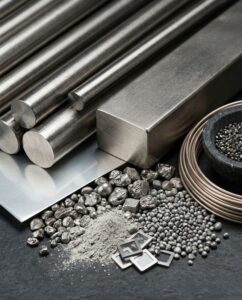
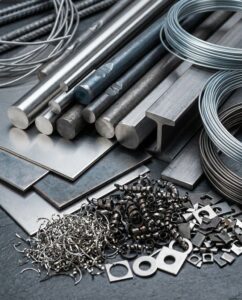
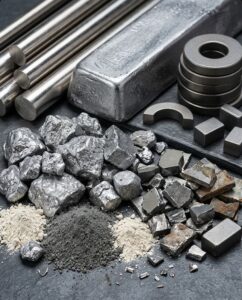
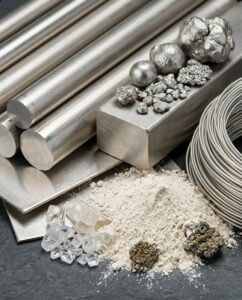
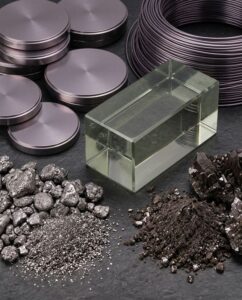
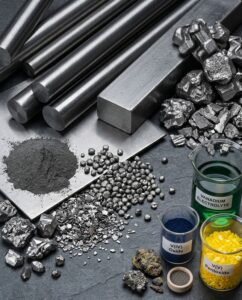
We test non-ferrous metals, alloy steels, stainless and acid-resistant steels, and special metals such as titanium, nickel, cobalt and tungsten. The laboratories at our branches are equipped with spectrometers, furnaces and other equipment required to carry out reliable tests.

How we can help

  • We identify the material and help determine its value
  • we identify differences in composition that affect classification
  • We select the equipment and settings to suit the specific material flow
  • We support finding a solution to the technical problem
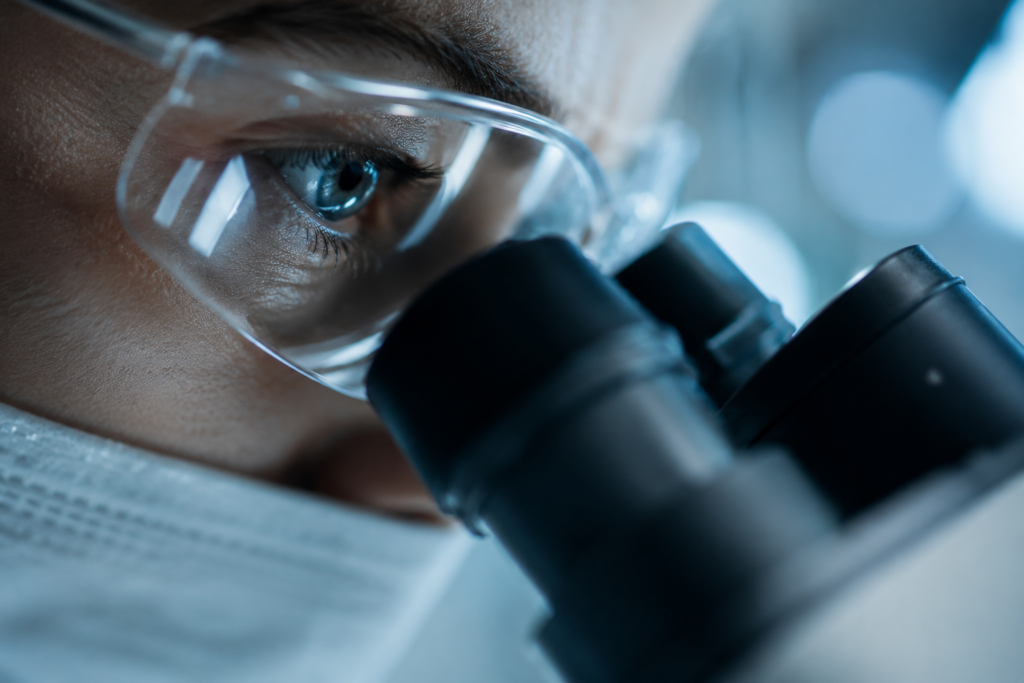
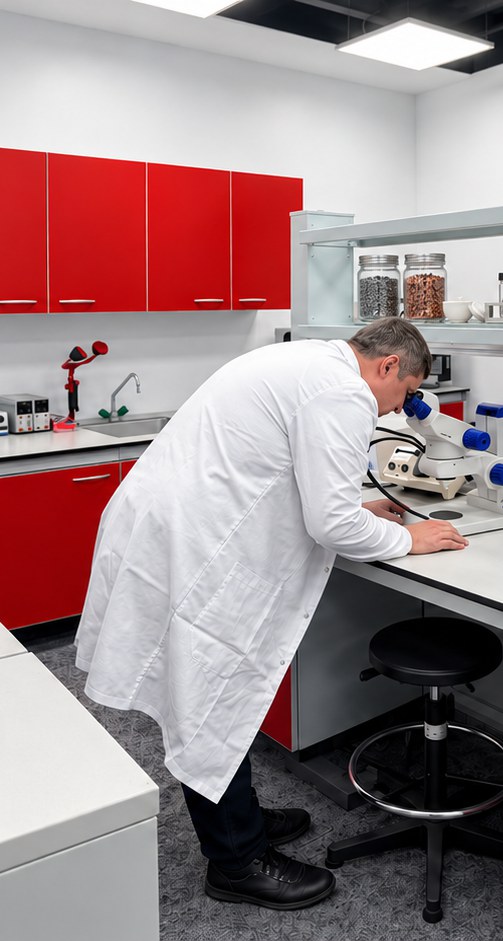
An RMC Polska laboratory technician at a microscope in the laboratory

100%

transparency of analyses

since 2018

we operate in the market

197.8 thousand tonnes

recovered raw materials

47

partner countries

RMC Polska Laboratory

About the laboratory

We also issue expert opinions and chemical reports

Complementary analytical techniques make it possible to select a method suited to the material under investigation and the purpose of the analysis. The results of the analyses may form the basis for the preparation of expert opinions and chemical reports for:

  • industry,
  • research units,
  • public administration,
  • the judicial authorities.

The RMC Polska Laboratory is a state-of-the-art analytical facility supporting industry and research and development work in the field of critical raw materials, strategic metals, rare earth elements (REE), industrial materials and quality control of manufacturing processes.

We combine state-of-the-art equipment with expert knowledge. We carry out material identification, qualitative and quantitative analyses, assessments of physicochemical properties, and specialist chemical and materials analyses – ranging from routine quality control to advanced R&D projects carried out in collaboration with research institutions, businesses and public authorities.

We carry out our research using our own equipment and at our extended facilities Research Partner. This enables us to combine elemental analysis, materials testing, the analysis of organic compounds, the characterisation of colloidal systems and high-resolution ion analysis.

Why choose RMC Polska Laboratory?

  • state-of-the-art analytical equipment,
  • a comprehensive range of chemical and materials testing services,
  • analyses using a range of instrumental techniques,
  • collaboration with an experienced Research Partner,
  • expert reports and specialist opinions,
  • support for research and development projects,
  • services for businesses, research organisations and public bodies,
  • customised research tailored to the client’s needs,
  • a personalised approach to every order.

Laboratory equipment

Equipment

The laboratory is equipped with apparatus for qualitative, quantitative and identification testing of materials used in industry, recycling, geology, environmental protection and R&D projects. Depending on the assignment, we use either a single method or several complementary analytical techniques.

XRF spectrometer

Elvatech ElvaX Pro

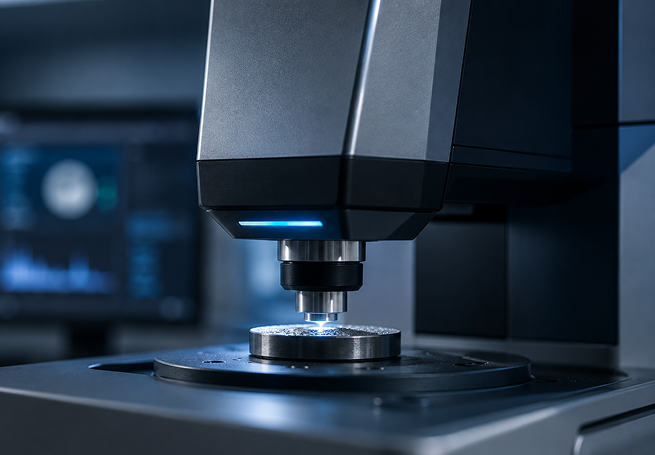
A benchtop X-ray fluorescence spectrometer for the rapid analysis of the elemental composition of solids, powders and liquids. The digiX-60 digital X-ray source (up to 60 kV) and the Fast SDD detector ensure high sensitivity and short measurement times, whilst the 60 kV voltage improves the determination of, amongst others, rare earth elements, palladium, silver, cadmium, tin, antimony and barium.

  • alloy identification (PMI), strategic and critical metals,
  • rare-earth elements, precious metals,
  • ores, concentrates, geological materials, soils and sediments,
  • ceramics, glass, building materials, industrial waste,
  • quality control of raw materials and recycled materials; hair analysis.

The method is non-destructive, it does not require sample mineralisation or reagents, and the result is ready in a matter of seconds to tens of seconds.

Metallography

Metallographic microscope

Assessment of the microstructure of metals and alloys in reflected light, on appropriately prepared specimens.

  • microstructure of metals and alloys, grain size,
  • non-metallic inclusions, porosity,
  • structural discontinuities,
  • control of casting and heat treatment processes,
  • photographic documentation of microstructures.

UV/VIS spectrophotometry

NANOCOLOR UV/VIS II

Quantitative spectrophotometric analyses in the UV and visible light ranges – primarily in water, effluent, process solutions and environmental samples.

  • physico-chemical parameters of water and wastewater, COD,
  • nitrogen and its forms, phosphorus,
  • metal ions using colorimetric methods,
  • monitoring of solutions and hydrometallurgical processes.

Thermogravimetry

Moisture analyser

Rapid determination of moisture content using the thermogravimetric method (moisture analyser).

  • moisture content of concentrates and raw materials,
  • determination of dry matter,
  • properties of bulk materials,
  • monitoring of technological processes.

Gravimetry

Analytical balance

Precise weighing for the preparation of samples for chemical analysis and instrumental testing.

  • preparation of samples and standard solutions,
  • gravimetric measurements,
  • monitoring the weight of materials and the quality of laboratory processes.

Sample preparation

Ball mill

Grinding and homogenisation of materials prior to instrumental analysis. Proper sample preparation has a direct impact on the quality of the result.

  • homogenisation of samples, grinding of ores and concentrates,
  • grinding of ceramic materials,
  • preparation of samples for XRF analysis and further testing.

And many more

Expanded facilities for Research Partners

Advanced techniques

Dr Ewa Kłodzińska, Professor at the Academy of Physical Education and Sport (AWFiS) – Scientific Partner of the RMC Polska laboratory

Research Partner

Dr Ewa Kłodzińska, Professor at the Academy of Physical Education and Sport (AWFiS)

To ensure comprehensive support for scientific, industrial and R&D projects, the laboratory works in partnership with a Scientific Partner – Dr Ewa Kłodzińska, Professor at the Academy of Physical Education and Sport (AWFiS), which provides specialist equipment and supports us in interpreting results, preparing chemical reports and developing analytical methods.

Organic compounds

Gas chromatography–mass spectrometry (GC-MS)

One of the most advanced techniques for analysing organic compounds – it combines highly efficient chromatographic separation with unambiguous identification of substances based on mass spectra, even at trace levels.

  • identification of unknown organic compounds,
  • the determination of volatile and semi-volatile organic compounds (VOCs, SVOCs),
  • organic and environmental contaminants, solvent residues,
  • natural products, plant extracts, essential oils,
  • degradation products of materials,
  • evidence for chemical and forensic analyses,
  • development and validation of analytical methods.

Ion analysis

Capillary electrophoresis (CE)

A highly efficient separation technique utilising differences in the mobility of ions and molecules in an electric field – excellent resolution, short analysis times and minimal sample consumption.

  • the identification of cations and anions, ionic compounds,
  • analysis of organic acids,
  • quality control of process solutions,
  • water and wastewater analysis, environmental testing,
  • the development and validation of research methods,
  • industrial samples requiring high resolution.

Nanomaterials and colloids

Particle size and zeta potential analyser (Malvern)

The DLS (Dynamic Light Scattering) technique for determining particle size distribution and LDE (Laser Doppler Electrophoresis) for measuring zeta potential.

  • particle size distribution, hydrodynamic diameter, PDI,
  • zeta potential and electrokinetic properties,
  • stability of colloidal systems, aggregation and flocculation,
  • nanoparticles, liposomes, emulsions and suspensions,
  • formulations for industry, cosmetics and pharmaceuticals.

Scope of analytical services

What we study

We tailor the scope of our testing to the type of material, the purpose of the analysis and the client’s requirements – from material identification, through detailed chemical analysis, to an expert opinion or technical documentation.

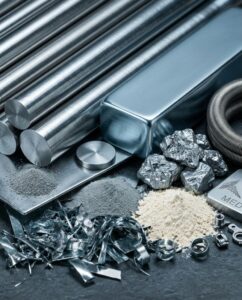
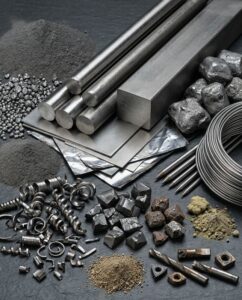
Analysis of metals and alloys

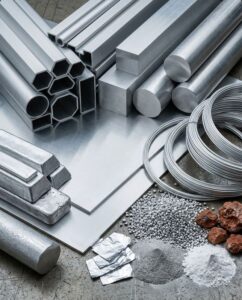
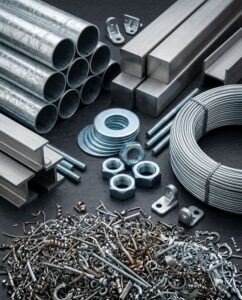
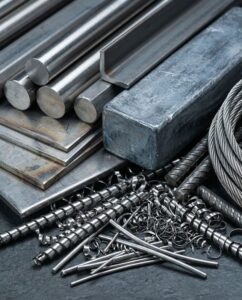
  • identification of steel grades and aluminium alloys,
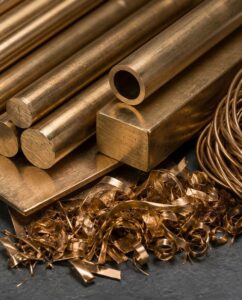
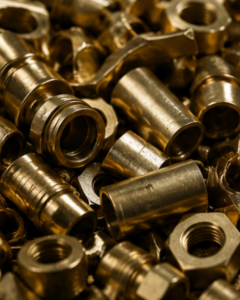
  • copper, brass and bronze alloys,
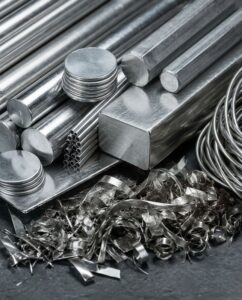
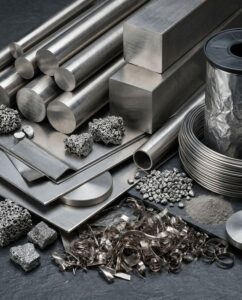
  • nickel, titanium and cobalt alloys,
  • strategic metals and rare-earth elements,
  • identification of unknown materials,
  • Physical Material Inspection (PMI),
  • production and recycling materials.

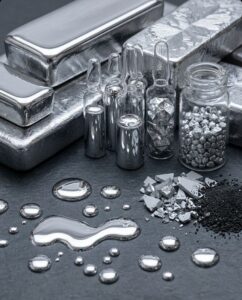
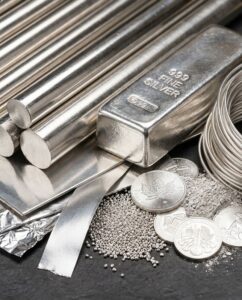
Analysis of precious metals

  • gold, silver, platinum, palladium, rhodium,
  • precious metal alloys,
  • jewellery materials,
  • collector’s coins and investment products.

We determine the alloy composition, identify impurities and monitor the quality of the material.

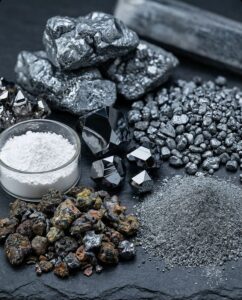
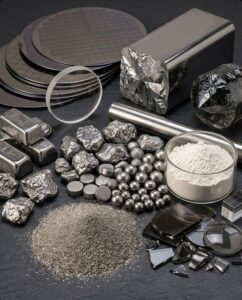
Critical raw materials and REEs

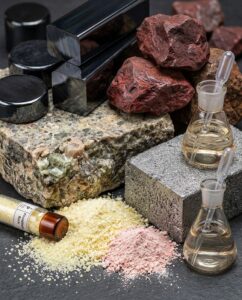
  • metal ores and their concentrates,
  • rare-earth elements,
  • German, Gaul, strategic metals,
  • recyclable raw materials and materials for recovery.

We support the recovery, refining and quality control processes for critical raw materials.

Geological and mineralogical surveys

  • rocks, minerals, metal ores,
  • concentrates,
  • soils, sediments and other geological materials.

For the purposes of mineral exploration, geochemical surveys and scientific projects.

Environmental studies

  • soils and bottom sediments,
  • industrial waste, dust, post-industrial materials,
  • water, waste water, process solutions.

Environmental monitoring, waste management and the assessment of the environmental impact of industrial plants.

Biological materials

  • hair and nails,
  • biological tissues for scientific research,
  • material for comparative analysis.

Assessment of elemental composition in scientific, environmental and technological projects.

Products and raw materials

  • dietary supplements,
  • mineral raw materials, processing aids,
  • ceramics, glass, cement, pigments,
  • fertilisers and mineral materials.

Research for industry

  • quality control of raw materials, semi-finished products and finished goods,
  • identification of materials,
  • analysis of the causes of material non-conformities,
  • the chemical composition of the components,
  • process support and analytical documentation.

Science and R&D projects

  • the development and validation of analytical methods,
  • research for R&D projects,
  • cooperation with universities and research institutes,
  • data for publication, support for PhD and postdoctoral research,
  • analyses in projects funded from national and EU sources.

Why is analysis important?

Why RMC?

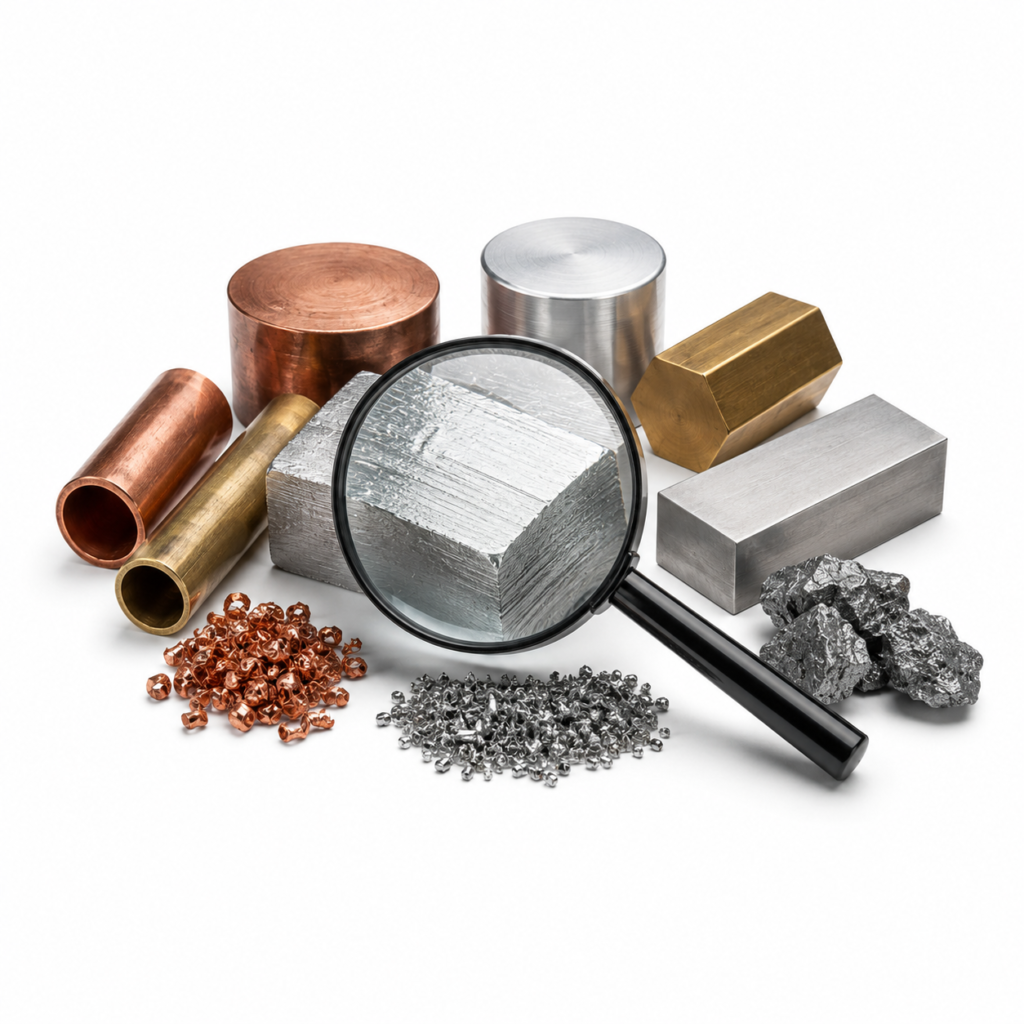
The appearance of a metal rarely allows its composition to be determined with certainty. Even a small amount of alloying elements can significantly alter the value of the raw material, its classification and the method of further processing. A reliable analysis is the basis for a fair valuation and the safe trading of the material.

The analysis enables

  • determine the exact chemical composition and elemental content,
  • identify the type of alloy and classify it correctly,
  • detect contaminants and additives that reduce value,
  • determine the fair market value of the material,
  • to avoid disputes and misunderstandings when selling raw materials.

A comprehensive approach to research

How we work

We carry out analyses either as individual tests or as comprehensive studies utilising several complementary techniques. This provides a more complete characterisation of the material and yields reliable scientific, technological and expert reports.

We tailor each analytical project individually – taking into account the nature of the material, the purpose of the analysis and the client’s technical and scientific requirements.

Do you need your own composition analyser? We sell them Elvatech XRF spectrometers, which we use in the laboratory.

Enquire about the test

What you get

Why is it worth it?

Exact chemical composition

A list of the elements detected, together with their percentage composition.

Support with valuation

The ability to determine the value of the raw material being tested.

Quick result

The analysis is carried out very quickly.

A specialist’s interpretation

Help with identifying the type of material.

What does the process involve?

4 simple steps

1.

Delivery of a sample

You provide a metal sample or component for identification.
2.

Spectrometric analysis

The device determines the chemical composition of the material in a matter of seconds.
3.
Interpretation of the results

The specialist analyses the results and identifies the alloy.
4.

Report

You will receive the analysis results, including the elements detected.