

Cables
Further information
Price on enquiry
You can call us, send us a message or use the purchase enquiry form
Based on the information provided, we will prepare a preliminary quote
Please deliver the material to our branch in person or send it by courier.
Once the raw material has been delivered, we weigh it and check it.
The prices quoted apply to orders from private customers. For larger quantities or business-to-business sales, the price is set on a case-by-case basis – it will be higher.
No raw materials have been added yet.
Prices do not include PCC tax. For sales exceeding 1,000 PLN, the tax is 2%.
We will send you a quotation and get in touch regarding the collection of raw materials.
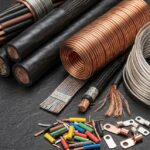
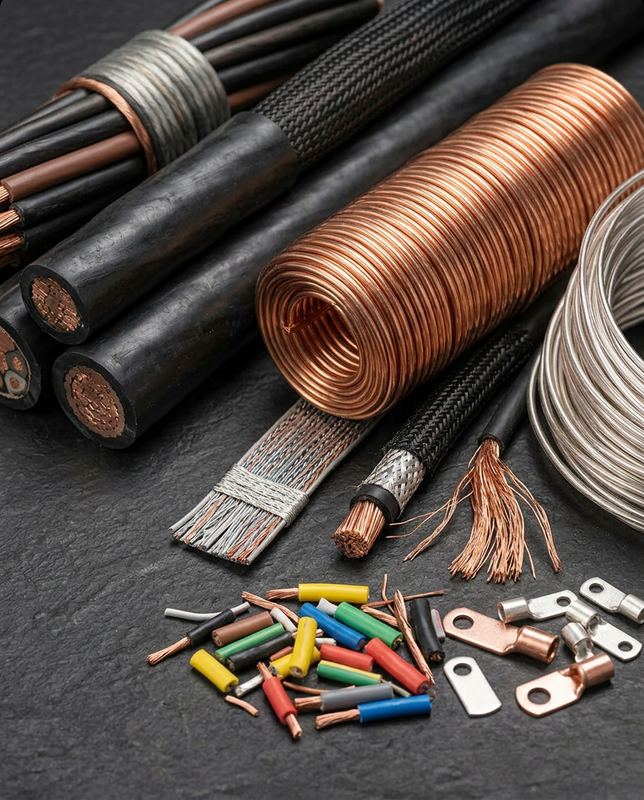
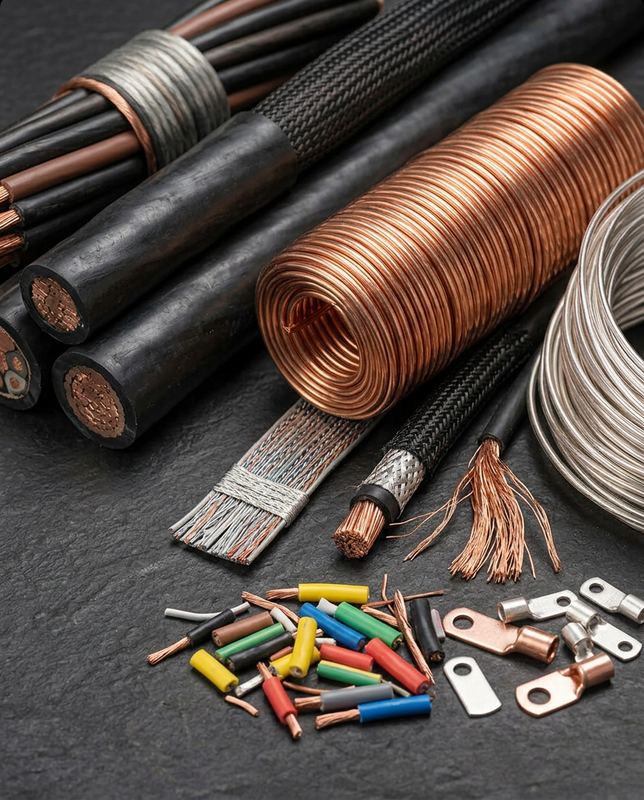
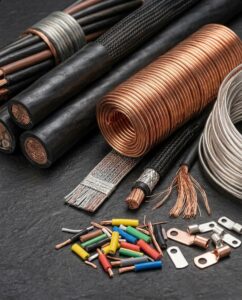
Thanks to our partnerships with Poland’s largest cable processors, we purchase cables in any quantity and of any type. Our specialists have been assessing the copper and aluminium content in cables for many years, which is why our valuations are based on the actual metal yield rather than on weight alone.
We determine the price of insulated cables based on the amount of copper or aluminium they contain and the complexity of their processing. Upon receipt, our team assesses the non-ferrous metal content and values the batch accordingly.
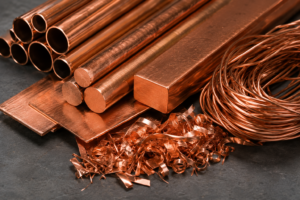
The purchase price of copper cables is based on a formula linked to the copper price quoted on the LME. The LME price serves as a benchmark, not the purchase price: the final rate depends on the copper yield and the type of insulation. The price of aluminium cables depends on a greater number of factors, which is why we determine it on a case-by-case basis upon delivery. For full-lorry loads, we prepare an individual quotation based on the London Metal Exchange and the Cu/Al content in the cable.
Copper and aluminium cables are sent to our partner, who uses specialised production lines to recover pure copper and aluminium from them – see also purchase of copper and aluminium granules. We discuss the process itself in more detail in the article Everything you need to know about cable recycling.
Fibre-optic cables do not contain any metals – they are made of glass fibres and plastics. We do not buy them back, but we do accept them for disposal for a fee and send them to specialist recycling facilities.
See also: copper purchasing, aluminium purchasing, lead purchasing, purchase of electronic scrap.
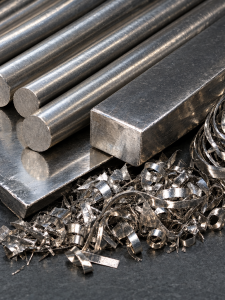
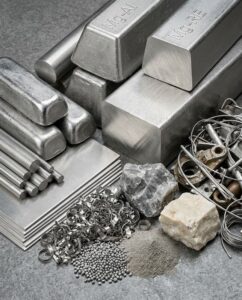
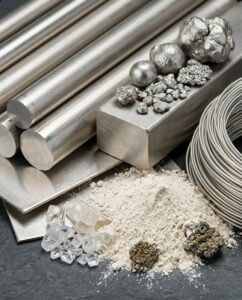
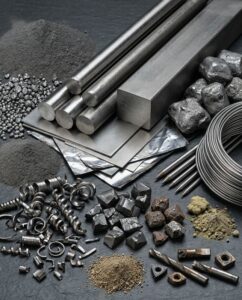
Purchase of non-ferrous metals from production waste, dismantling and wholesale supplies
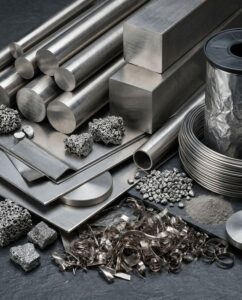
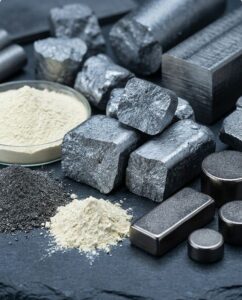
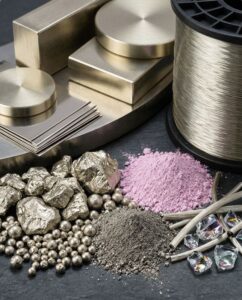
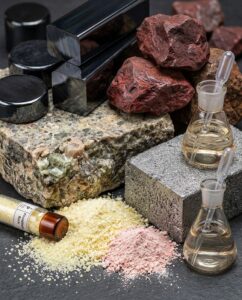
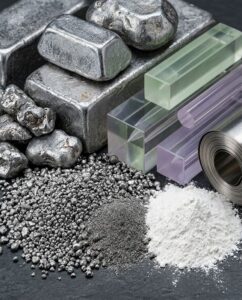
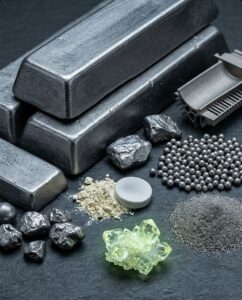
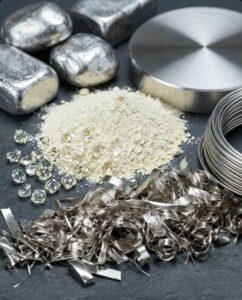
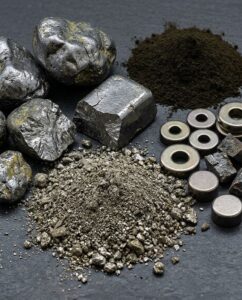
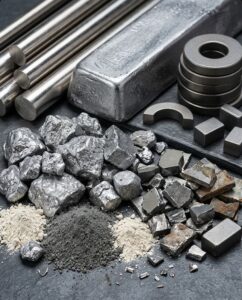
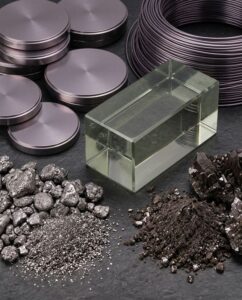
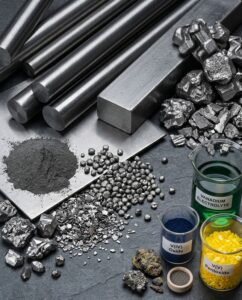
We purchase germanium, gallium, tantalum, niobium, cobalt, tungsten, rare-earth metals and other critical metals – from tooling, manufacturing and specialist scrap.
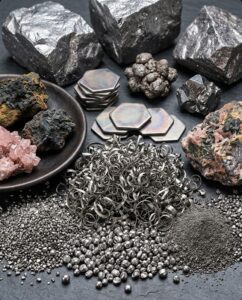
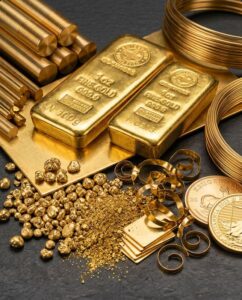
We purchase gold, silver, platinum and palladium from scrap jewellery, industrial scrap, electronic scrap and catalytic converters.
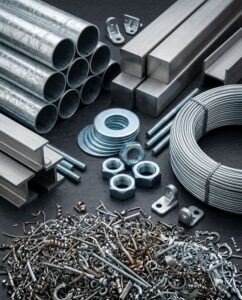
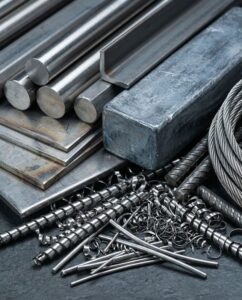
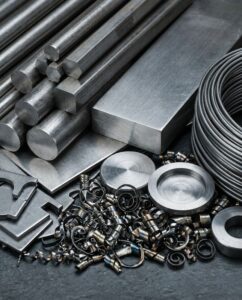
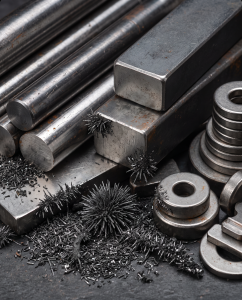
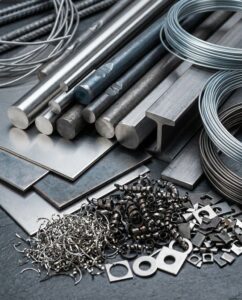
Purchase of steel and cast iron scrap from demolition sites, the dismantling of structures, production waste and wholesale supplies.
The collection of recyclable materials from production, dismantling and collection, for onward processing and recycling.
We purchase cables, electric motors, mixed metals, and electronic and electrical scrap for metal recovery.

 Radiometric studies
 Waste management
 Management of energy projects
 Professional document destruction
 Waste transport
 Consultancy services
 Weighing scrap metal
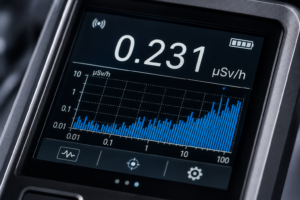
Radiometers
Precise radiation measurements.
 Spectrometers
Identification and analysis of materials.
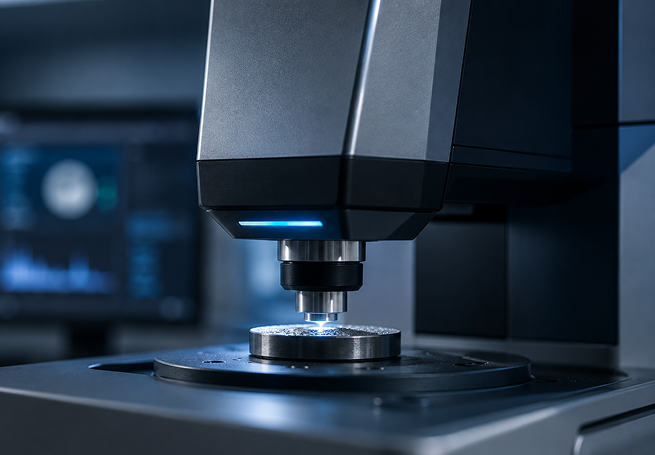
 Material analysis
Our in-house laboratory