

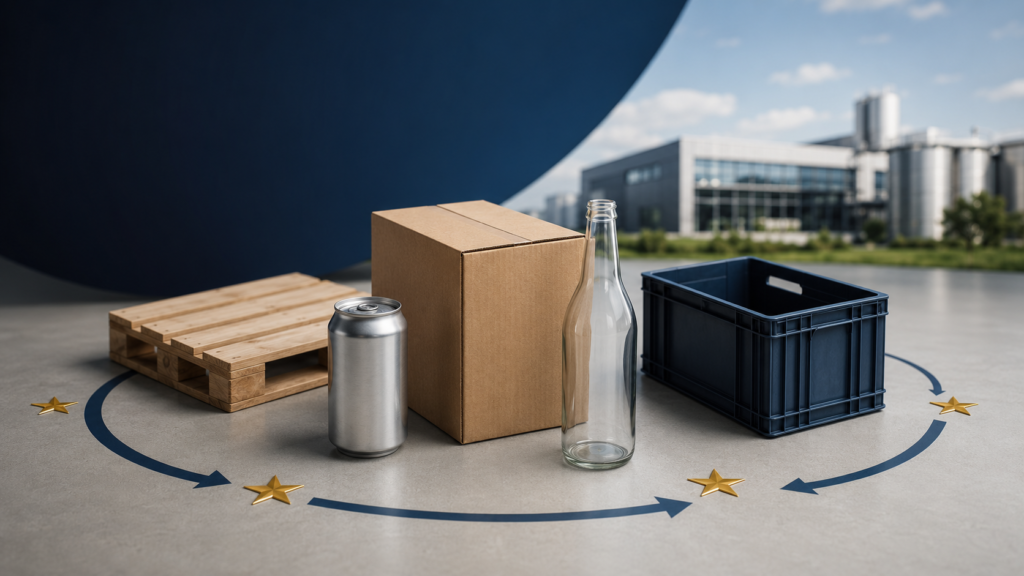




New EU regulations will change the way companies design, purchase, document and account for packaging. For industry and the recycling sector, this is not just an obligation, but also an incentive to streamline the material cycle. Cardboard, tape, labels, stretch film, pallets. In our day-to-day operations, we treat them
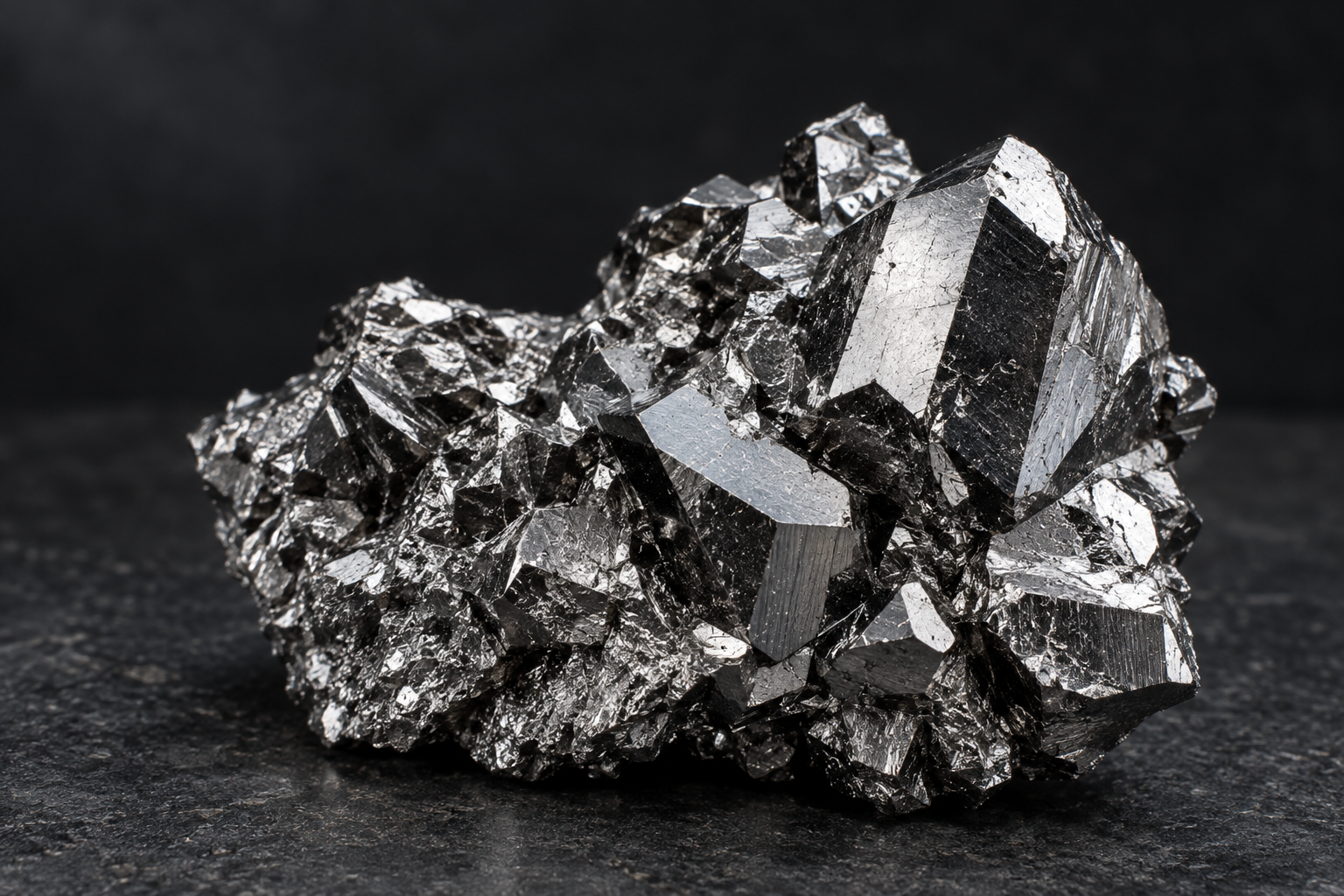
Just a few years ago, few people outside the metallurgical or automotive industries gave much thought to what cobalt actually is. Today, this unassuming metal is at the centre of the global economic game. Countries are devising strategies for raw material security, corporations are signing long-term contracts, and the European Union
In recent years, the European Union has been consistently tightening environmental requirements for businesses. Following regulations on ESG, CBAM, sustainability reporting and new rules on the shipment of waste, another significant change is on the horizon. From 12 August 2026, the Regulation of the European Parliament and of the Council will come into force
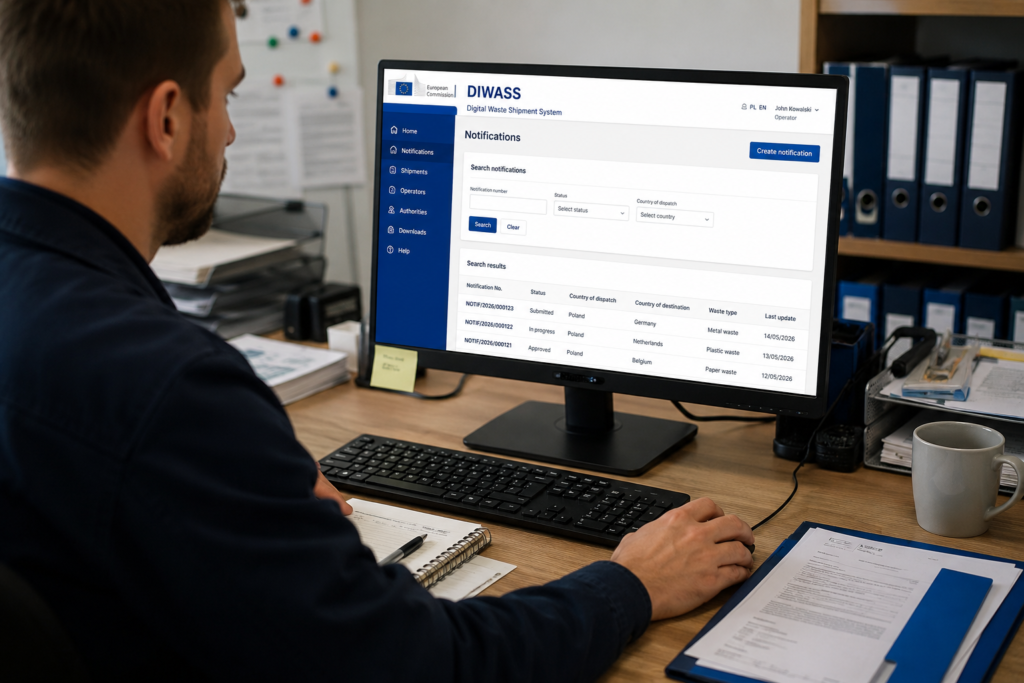
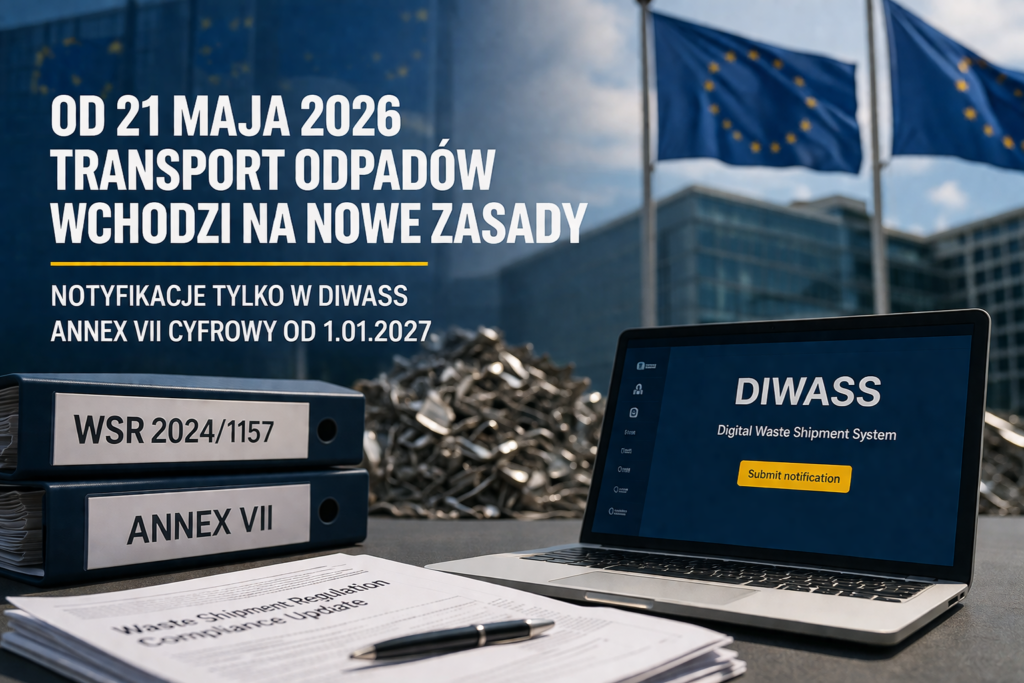
From 21 May 2026, DIWASS will come into force, transforming the European waste trade. Just a few months ago, many business owners viewed DIWASS as „yet another EU IT project” that would likely be postponed or implemented only partially. Today, there is no longer any doubt that the digitisation of cross-border waste shipments
The European plastics market has undergone a dramatic change in recent months. Until recently, the industry operated in a climate of low prices, abundant availability of cheap imported virgin raw materials and significant pressure on the recycling sector. Today, the situation is completely different. The conflict in the Middle East
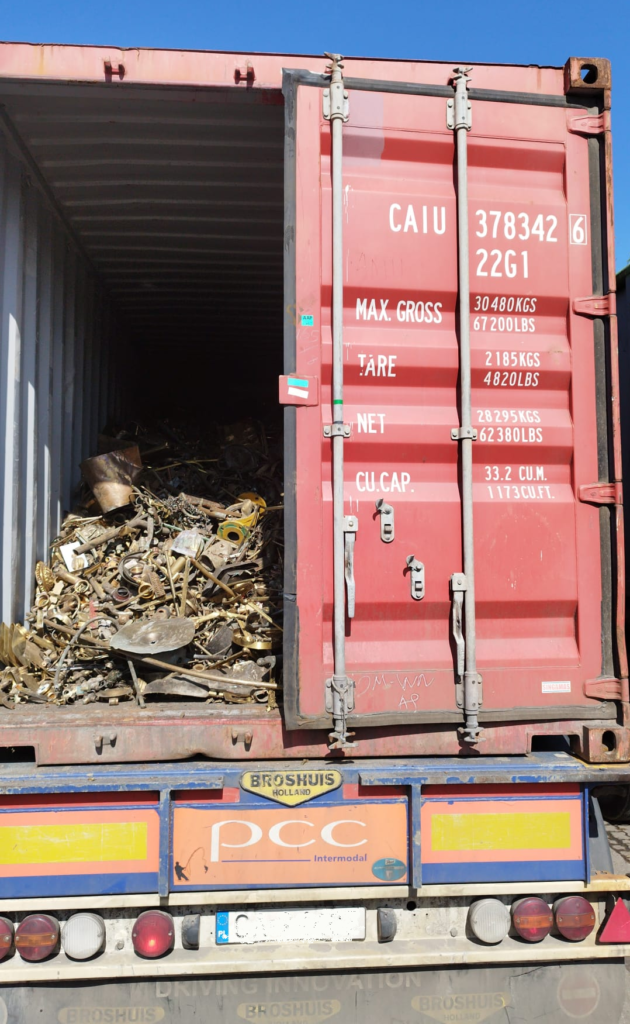
New EU Regulation on the transboundary shipment of waste – Restrictions on waste exports from the EU The introduction of Regulation (EU) 2024/1157 on the shipment of waste is often presented as the next stage in the digitalisation of administrative processes within the European Union. However, this view is not only an oversimplification, but
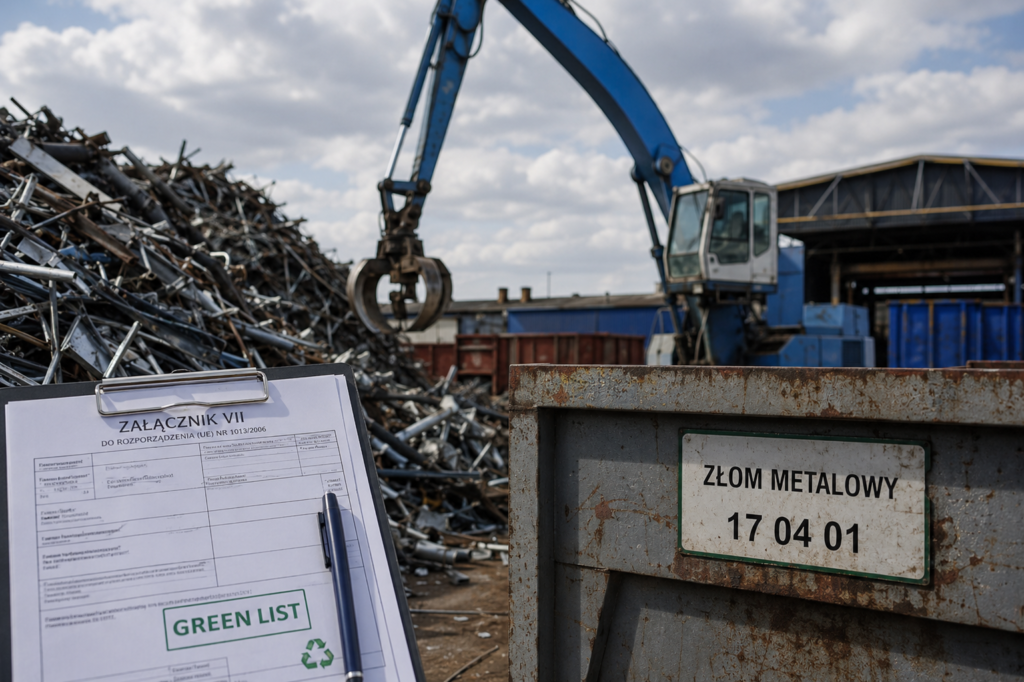
For several months now, I have noticed that an increasing number of companies in the recycling sector are beginning to take an interest in the so-called ‘green list’ of waste. Until recently, for most of the market, the green list was simply a simplified procedure enabling the free trade of scrap metal and other waste within
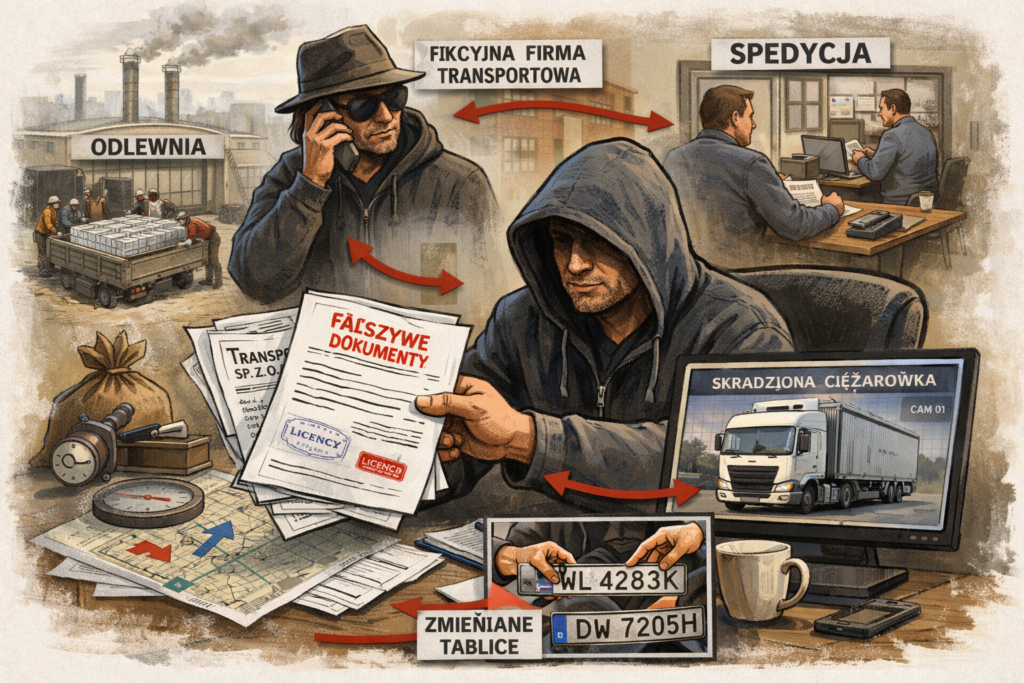
Experiences of scrap metal theft that are worth sharing The metals market – particularly aluminium and its derivatives – is a demanding one today. Not only in terms of capital and operations, but also in terms of security. I am writing this not to scare anyone, but
A step towards regulating the market or yet another barrier to business? The EU market for secondary raw materials has for years been caught between the need to protect the environment and the realities of trade and recycling. On the one hand, we have ambitious climate targets and the rhetoric of the circular economy
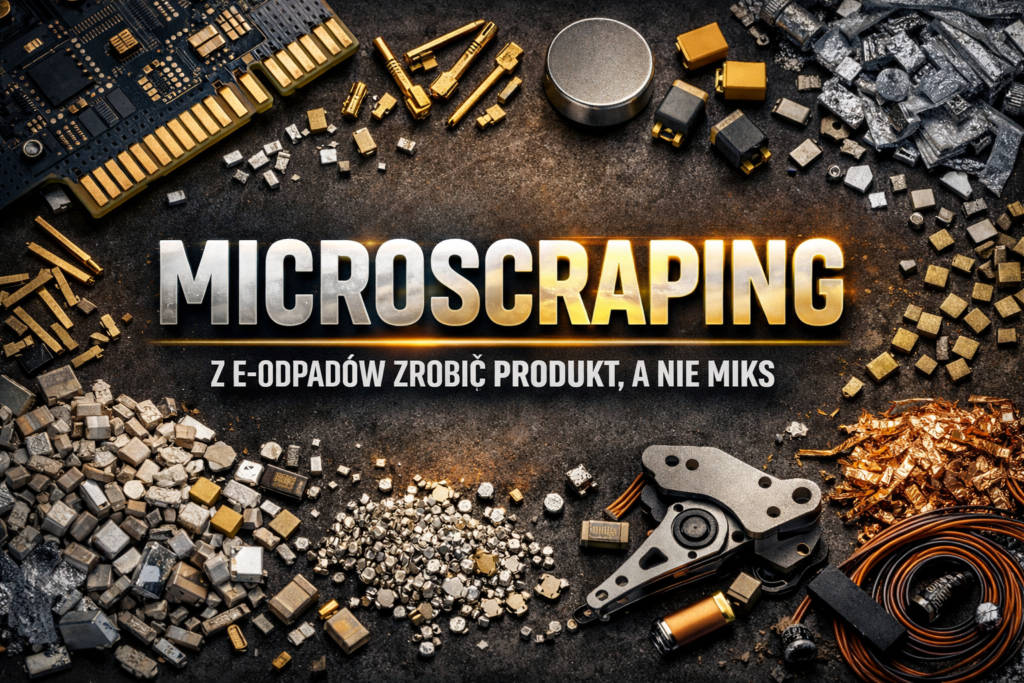
In the e-waste market, the biggest financial losses aren’t caused by technology, but by mixing. Someone collects electronic equipment, throws it all into a single bag, calls it „e-scrap” and hopes the buyer will „sort it out somehow”. They will sort it out. Only usually to their own advantage. Microscraping was created precisely
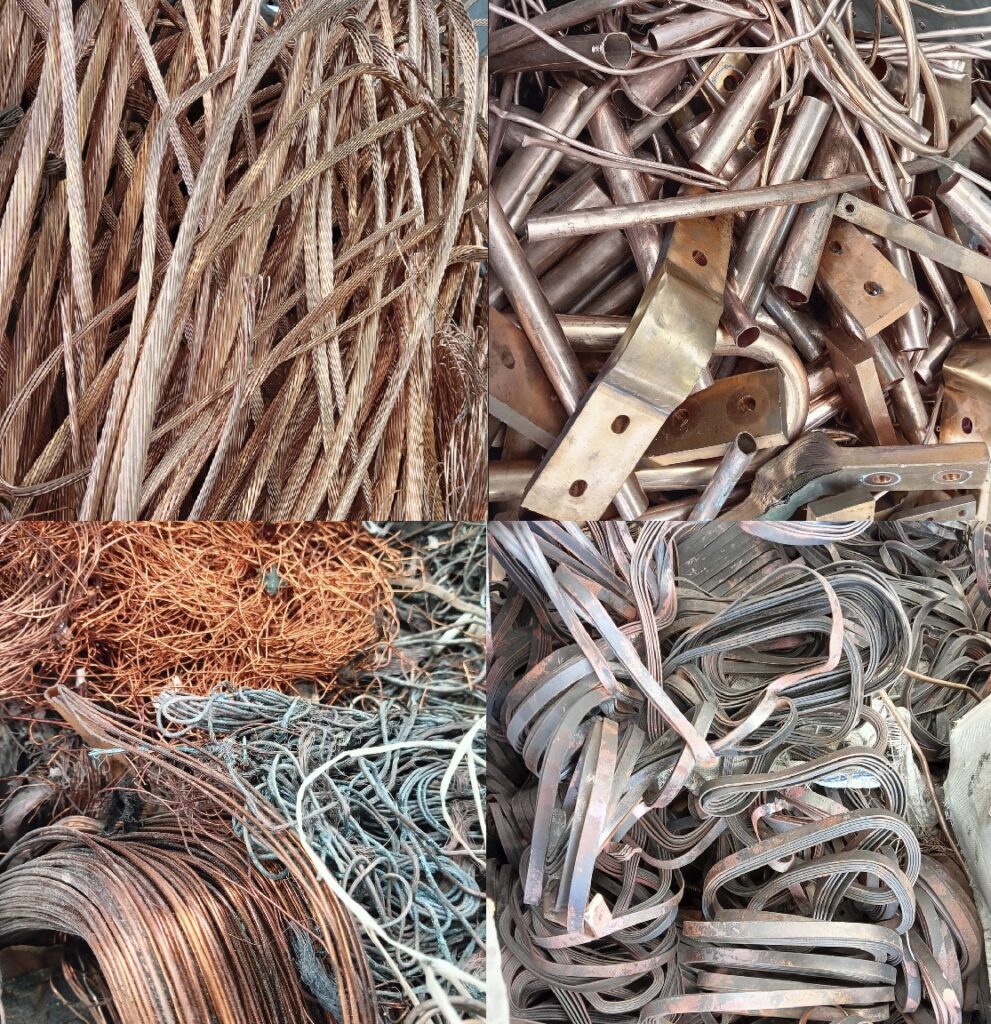
Copper is one of the most valuable non-ferrous metals found in scrap. Due to its excellent conductive properties and high value, it is readily recovered and recycled. Copper scrap is an important source of raw material for both scrap dealers and the smelting industry. Below
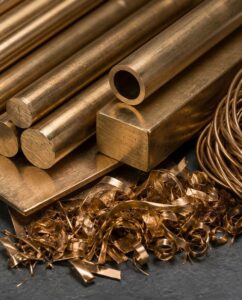
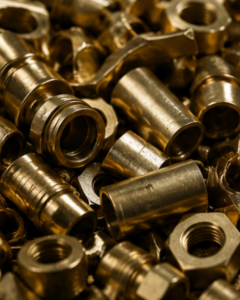
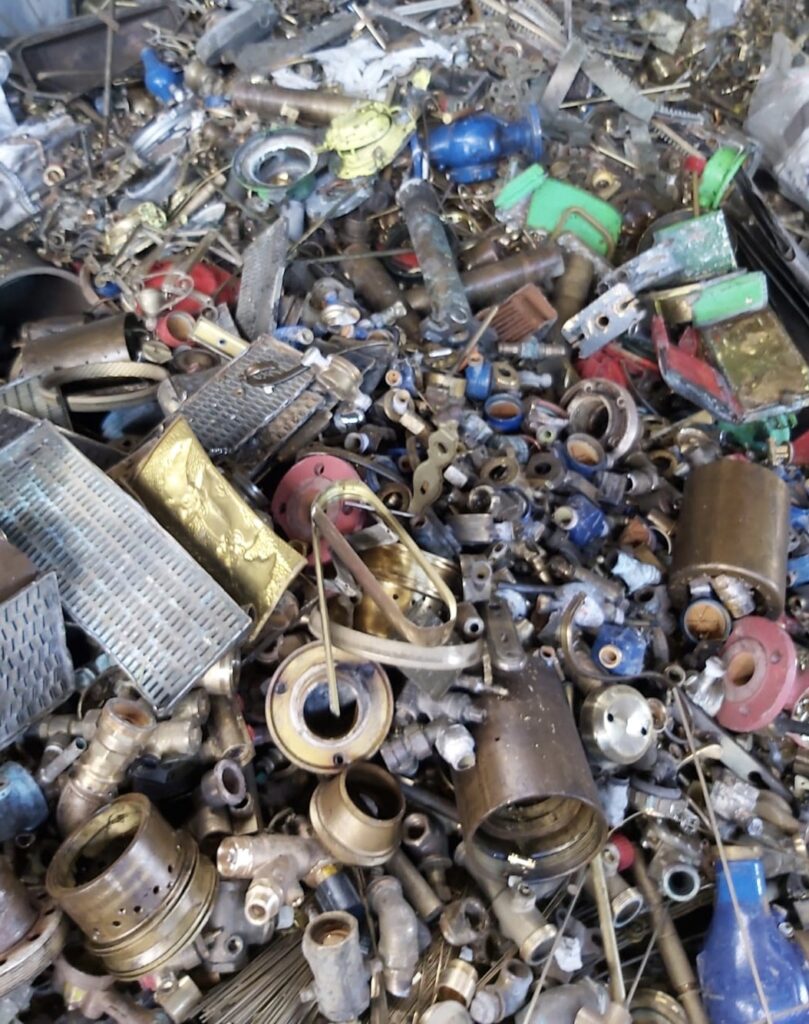
In an era of rising raw material prices and growing environmental awareness amongst the public, the scrap metal market is gaining in importance. The purchase and sale of non-ferrous metals, including brass, are not only a key component of the circular economy, but also a genuine source of income for thousands of people
Running your own scrap metal business isn’t just a business – it’s a daily adventure! Every day brings new challenges and discoveries. We learn to identify metals and discover their properties and uses. Sometimes we feel like detectives – searching for hidden value in seemingly ordinary
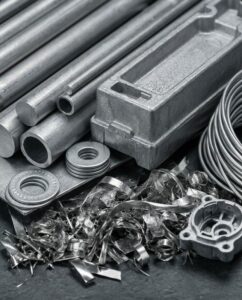
Aluminium is one of the most widely used metals, found in many products used by people, ranging from beer cans to car and aeroplane parts. Although aluminium is the second most widely used metal after steel, it does not occur
Tool steel – not just metal, but the cornerstone of industry. Tool steel, which is far more than just ordinary metal, plays a vital role in advanced engineering and industrial technology. Tool steel is designed to meet the most stringent technical requirements. Thanks to its unique composition, where
Distinguishing brass from gold can be a challenge, especially for those with no experience in identifying metals. Below are a few tips that may help you. Colour: Gold is usually lighter in colour and more lustrous than brass. It has a distinctive, deep yellow hue, which
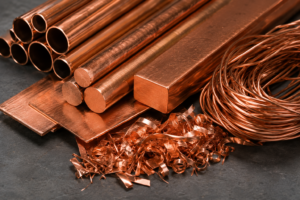
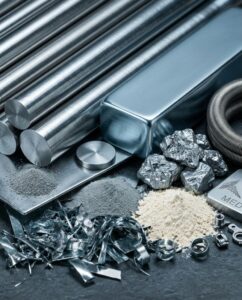
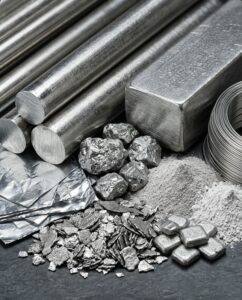
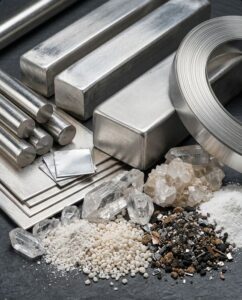
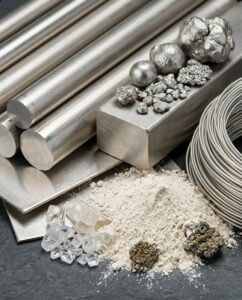
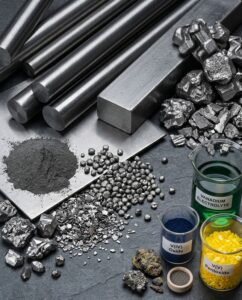
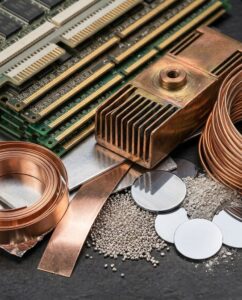
Purchase of non-ferrous metals from production waste, dismantling and wholesale supplies
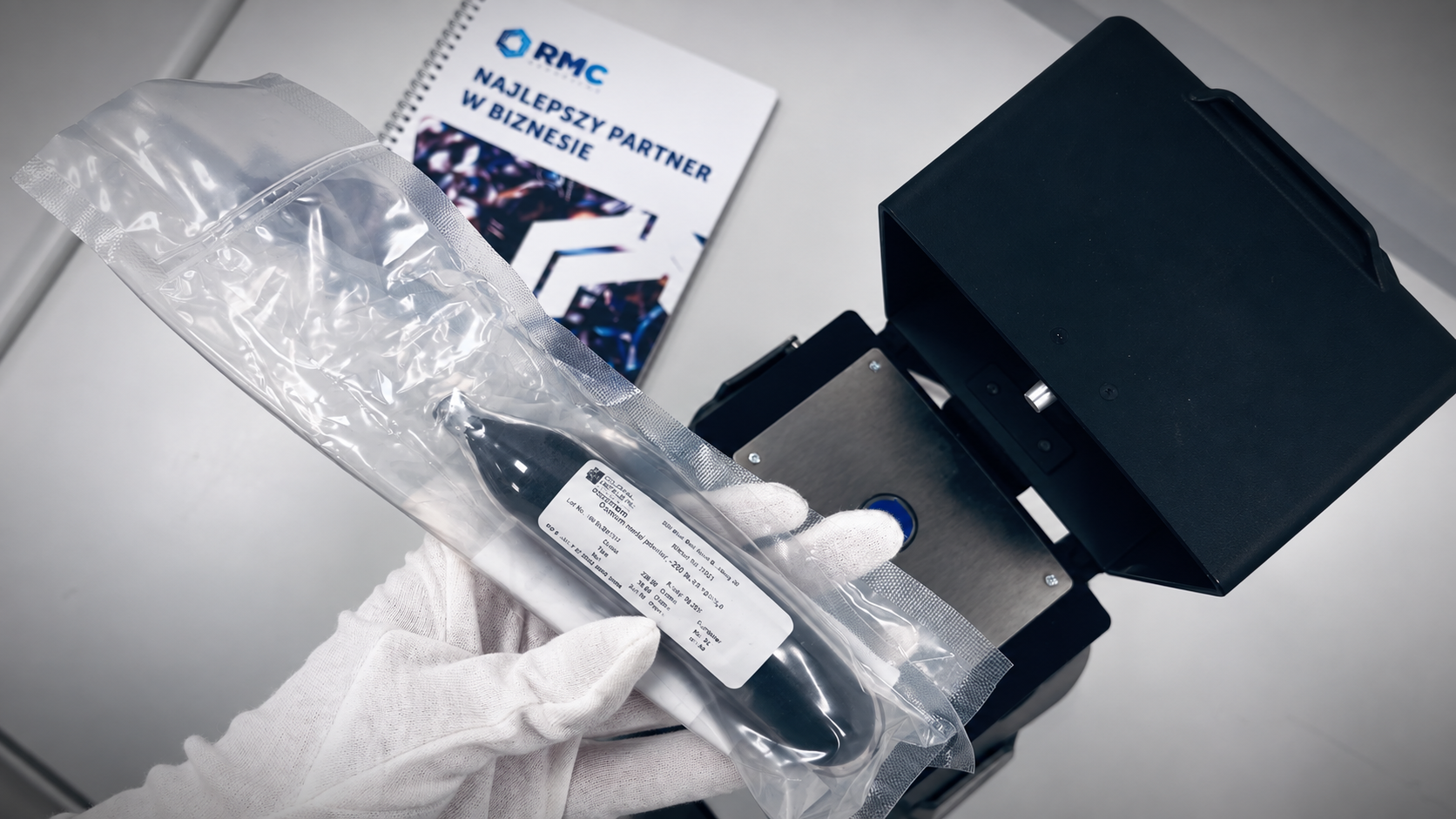
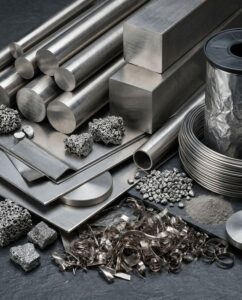
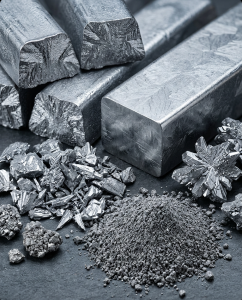
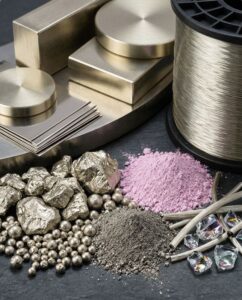
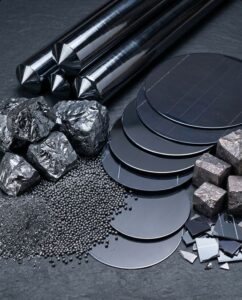
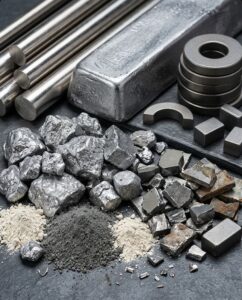
We purchase germanium, gallium, tantalum, niobium, cobalt, tungsten, rare-earth metals and other critical metals – from tooling, manufacturing and specialist scrap.
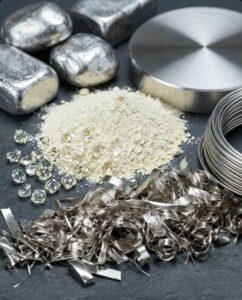
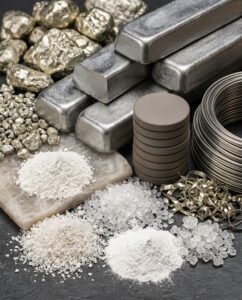
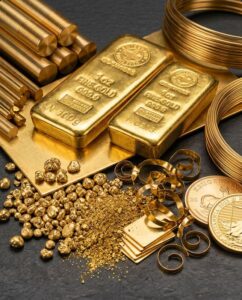
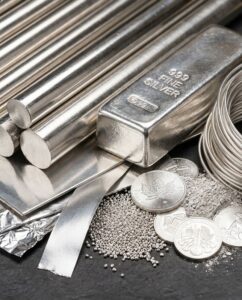
We purchase gold, silver, platinum and palladium from scrap jewellery, industrial scrap, electronic scrap and catalytic converters.
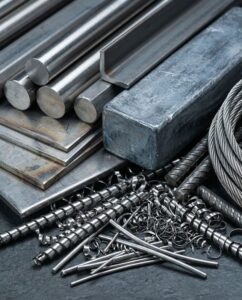
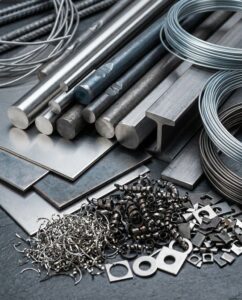
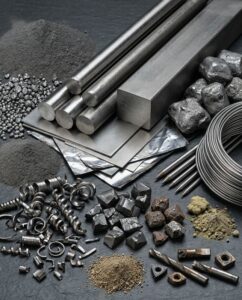
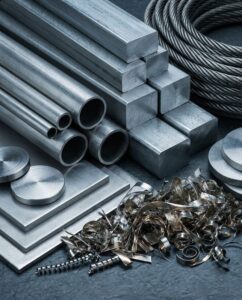
Purchase of steel and cast iron scrap from demolition sites, the dismantling of structures, production waste and wholesale supplies.
The collection of recyclable materials from production, dismantling and collection, for onward processing and recycling.
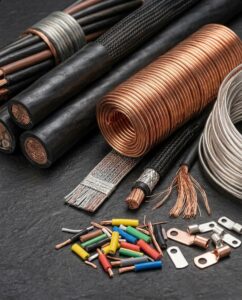
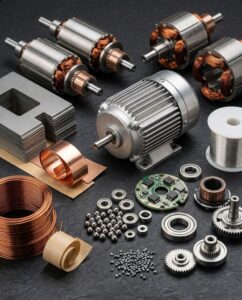
We purchase cables, electric motors, mixed metals, and electronic and electrical scrap for metal recovery.

 Radiometric studies
 Waste management
 Management of energy projects
 Professional document destruction
 Waste transport
 Consultancy services
 Weighing scrap metal
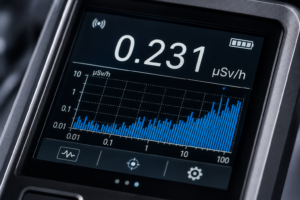
Radiometers
Precise radiation measurements.
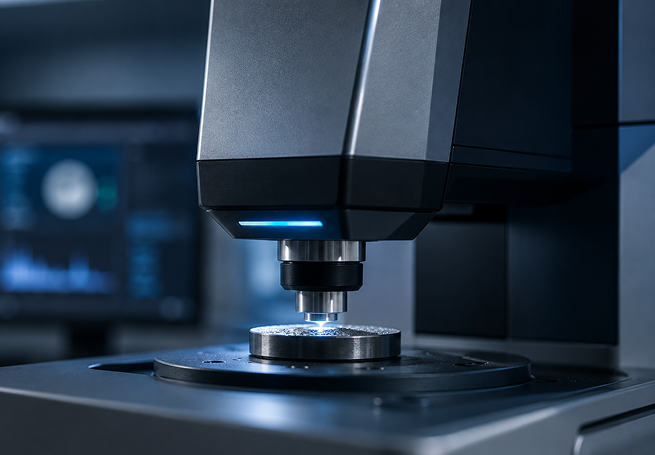
 Spectrometers
Identification and analysis of materials.
 Material analysis
Our in-house laboratory