

Lead
Further information
LME
7,510 zł / t
0.03%
LIVE PRICE
Updated: 29 October 2026, 4.00 pm
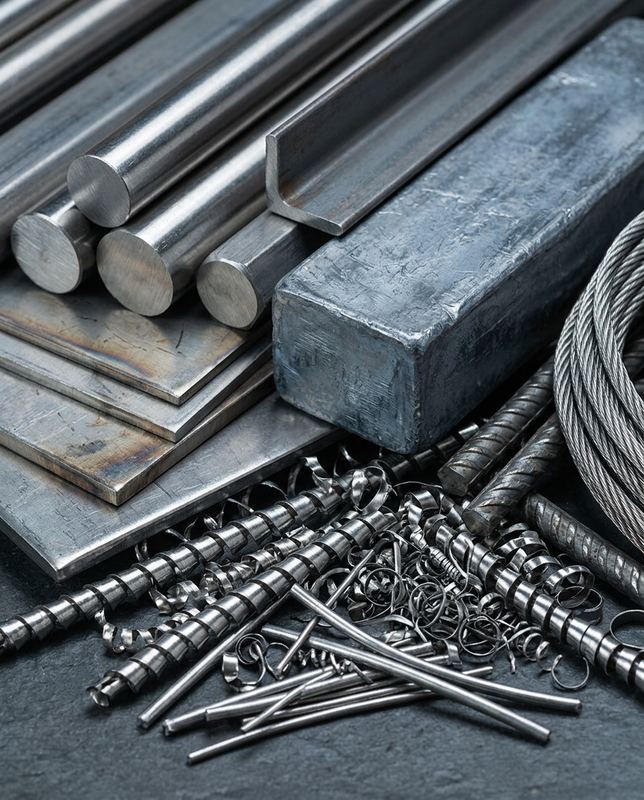
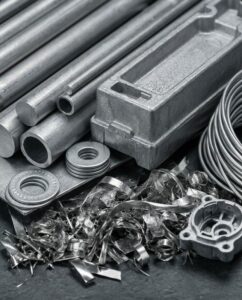
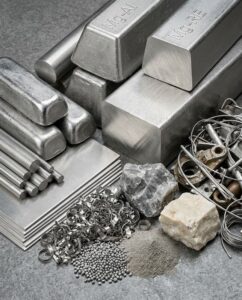
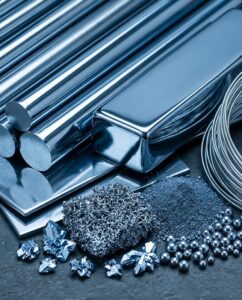
Lead in the form of lumps, pipes, sheets and castings, free from paint, impurities and steel components. This is the highest-grade lead.
Lead that is contaminated or contains residues of other materials, as well as remelted lead and lead dross. We verify the metal content upon receipt of the material.
You can call us, send us a message or use the purchase enquiry form
Based on the information provided, we will prepare a preliminary quote
Please deliver the material to our branch in person or send it by courier.
Once the raw material has been delivered, we weigh it and check it.
Purchase prices according to the RMC price list, updated: 29 October 2026, 14:00
The prices quoted apply to orders from private customers. For larger quantities or business-to-business sales, the price is set on a case-by-case basis – it will be higher.
The prices quoted apply to orders from private customers. For larger quantities or business-to-business sales, the price is set on a case-by-case basis – it will be higher.
No raw materials have been added yet.
Prices do not include PCC tax. For sales exceeding 1,000 PLN, the tax is 2%.
We will send you a quotation and get in touch regarding the collection of raw materials.
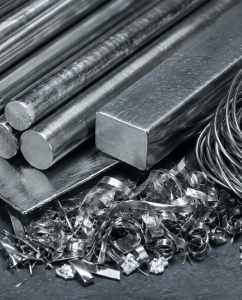
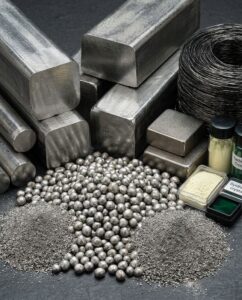
Among the non-ferrous metals we purchase is lead in all its forms. It is a heavy, soft metal with a silvery-grey colour, which is easy to shape and resistant to corrosion – it forms a protective oxide layer on its surface, although it reacts with acids.
The price of scrap lead depends on its type and level of contamination: we pay the highest price for pure lead and cable lead, and the lowest for lead mixed with jute. The benchmark is the lead price quoted on the LME (London Metal Exchange) – however, this is the metal’s market price, not the purchase price. The final rate is also influenced by the euro exchange rate and demand for lead scrap.
Lead is used primarily in car batteries, in radiation shielding (e.g. in radiotherapy) and in soldering and tinning alloys. In the past, its compounds were also used in the production of white pigments for paints.
See also: cable collection, tin purchasing, purchase of metal alloys, non-ferrous metal scrap.
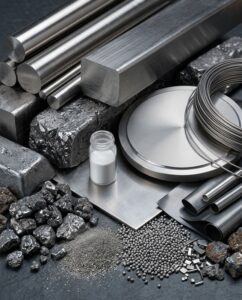
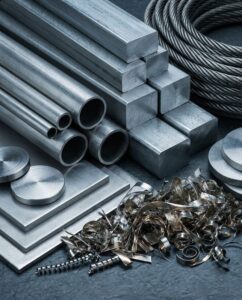
Purchase of non-ferrous metals from production waste, dismantling and wholesale supplies
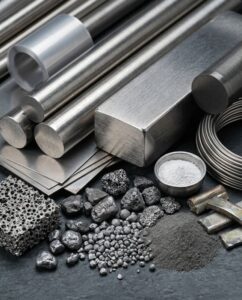
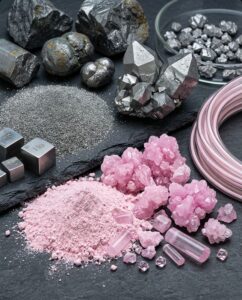
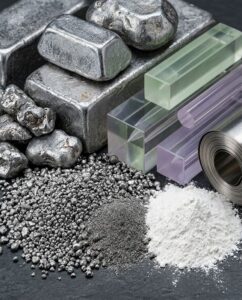
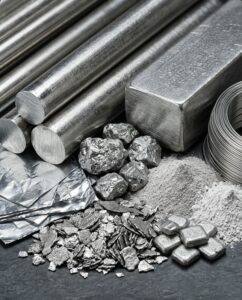
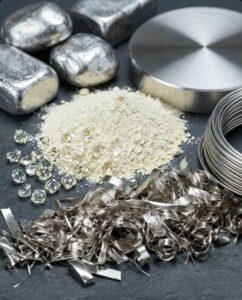
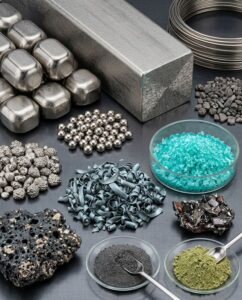
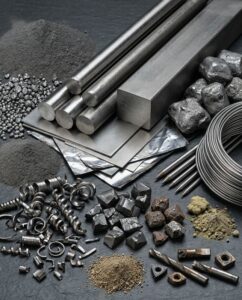
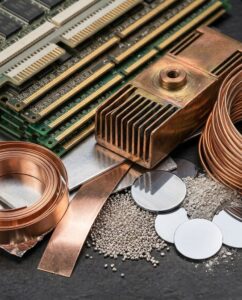
We purchase germanium, gallium, tantalum, niobium, cobalt, tungsten, rare-earth metals and other critical metals – from tooling, manufacturing and specialist scrap.
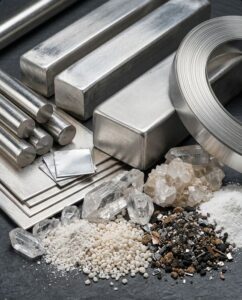
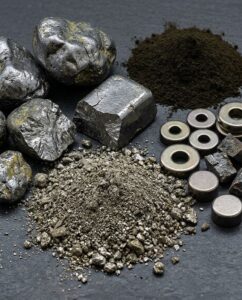
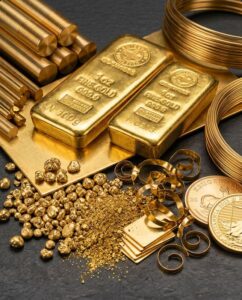
We purchase gold, silver, platinum and palladium from scrap jewellery, industrial scrap, electronic scrap and catalytic converters.
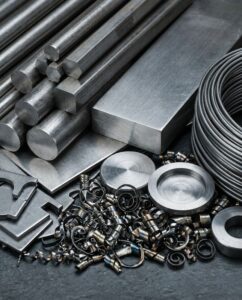
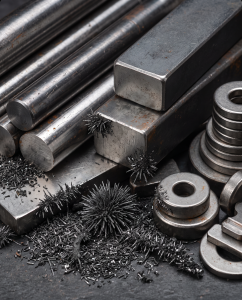
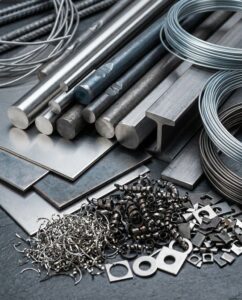
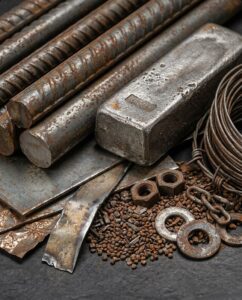
Purchase of steel and cast iron scrap from demolition sites, the dismantling of structures, production waste and wholesale supplies.
The collection of recyclable materials from production, dismantling and collection, for onward processing and recycling.
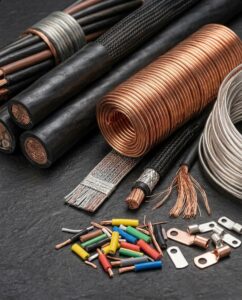
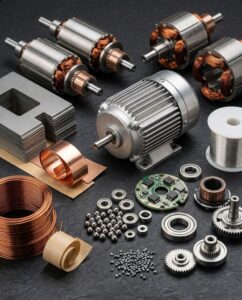
We purchase cables, electric motors, mixed metals, and electronic and electrical scrap for metal recovery.
 Radiometric studies
 Waste management
 Management of energy projects
 Professional document destruction
 Waste transport
 Consultancy services
 Weighing scrap metal
Radiometers
Precise radiation measurements.

 Spectrometers
Identification and analysis of materials.
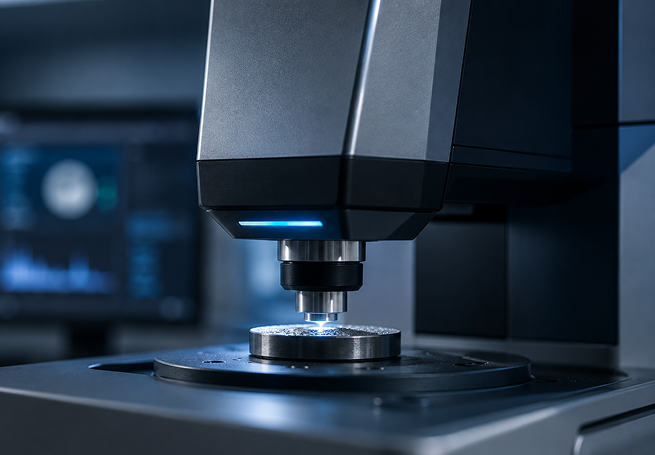
 Material analysis
Our in-house laboratory