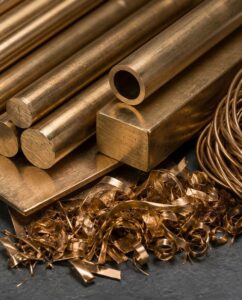


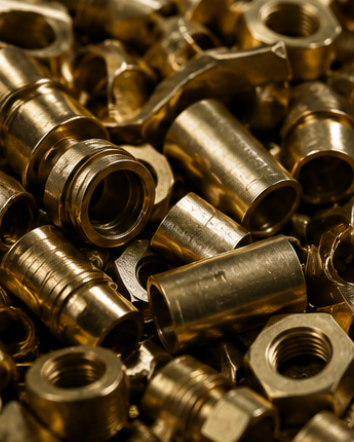
Brass with a copper content of approx. 63% – light yellow and malleable. Production scrap commands the highest price: clean, new and unpainted. Old M63 and so-called ‘shiny strands’ form separate grades.
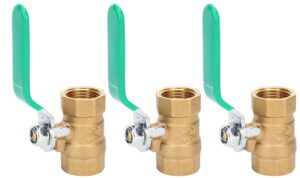
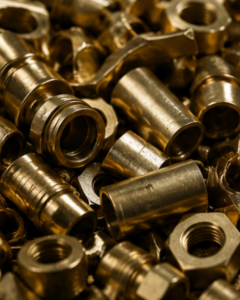
Lead brass with a copper content of approx. 58%, used to manufacture fittings, valves and turned components. Production waste should be clean and dry – we accept M58 scrap with a moisture content of up to 2%.
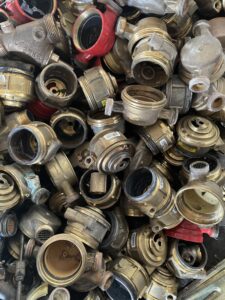
Used brass: valves, fittings, taps and other plumbing components, excluding any steel or plastic parts. Minor soiling is permitted, and components containing iron inserts must be cleaned beforehand.
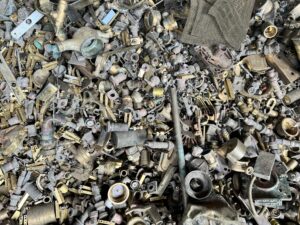
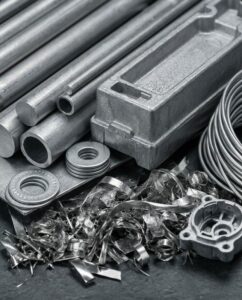
Brass plated with nickel or chrome – silvery on the surface, yellow underneath the plating. Because of the plating, it is valued lower than yellow brass. This category includes, amongst other things, chrome-plated taps and bathroom fittings.
You can call us, send us a message or use the purchase enquiry form
Based on the information provided, we will prepare a preliminary quote
Please deliver the material to our branch in person or send it by courier.
Once the raw material has been delivered, we weigh it and check it.
Purchase prices according to the RMC price list, updated: 29 October 2026, 14:00
The prices quoted apply to orders from private customers. For larger quantities or business-to-business sales, the price is set on a case-by-case basis – it will be higher.
The prices quoted apply to orders from private customers. For larger quantities or business-to-business sales, the price is set on a case-by-case basis – it will be higher.
No raw materials have been added yet.
Prices do not include PCC tax. For sales exceeding 1,000 PLN, the tax is 2%.
We will send you a quotation and get in touch regarding the collection of raw materials.
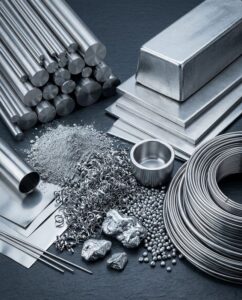
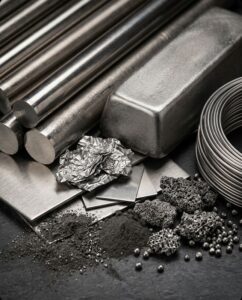
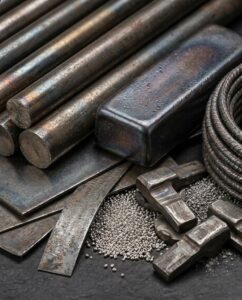
We purchase brass scrap in all forms and quantities – this is one of the core areas of our business. Our suppliers of brass are mainly scrap dealers, manufacturing companies and private individuals. Brass is an alloy of copper and zinc, and its colour depends on the copper content; it often also contains additives such as tin, aluminium, manganese, iron, silicon or nickel.
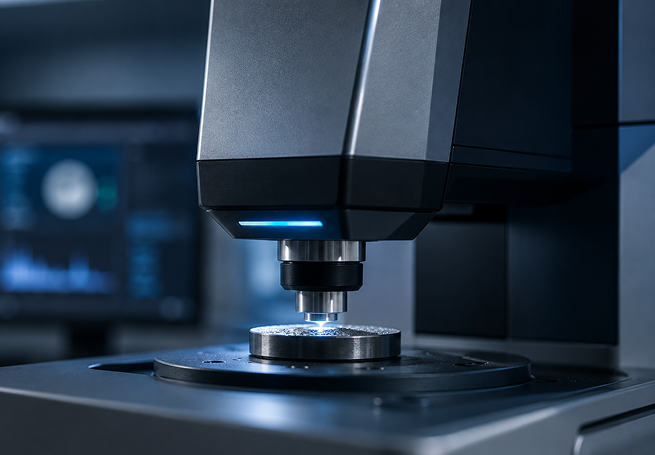
The purchase price of brass depends on the copper content of the alloy, the type of additives, the moisture content (in the case of shavings) and the purity of the material. We analyse the copper content using a spectrometer. The benchmark is the copper price on the LME and the euro exchange rate, and we offer a higher price for larger consignments. The price list may change several times a day, so it is best to confirm the current rate with a sales representative.
More: Types of brass in the scrap metal trade, What is brass and what is it used for?. See also: copper purchasing, bronze purchasing, zinc purchasing.
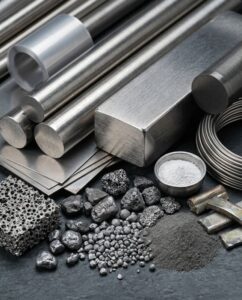
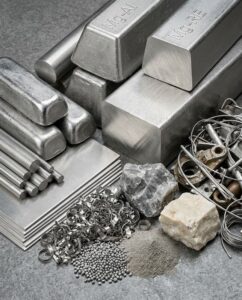
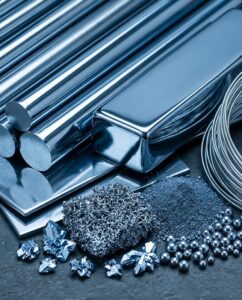
Purchase of non-ferrous metals from production waste, dismantling and wholesale supplies
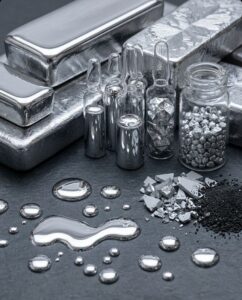
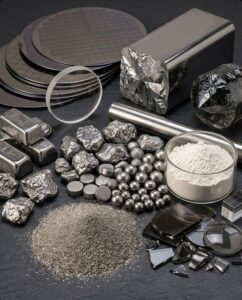
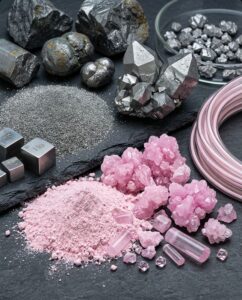
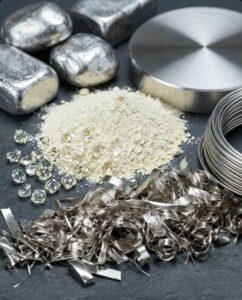
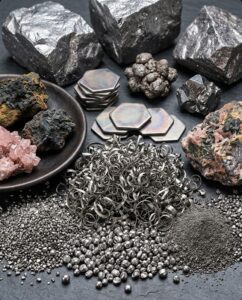
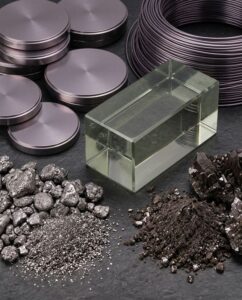
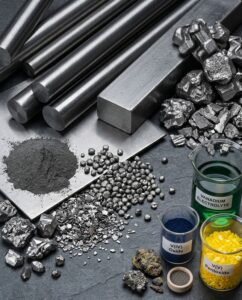
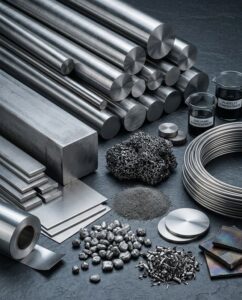
We purchase germanium, gallium, tantalum, niobium, cobalt, tungsten, rare-earth metals and other critical metals – from tooling, manufacturing and specialist scrap.
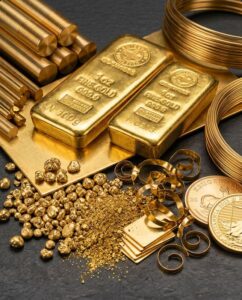
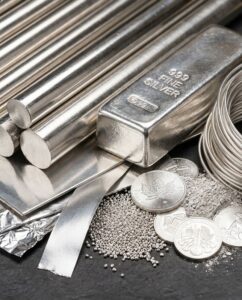
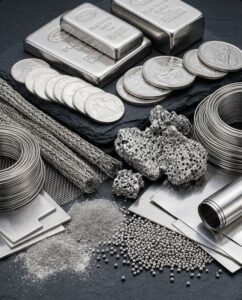
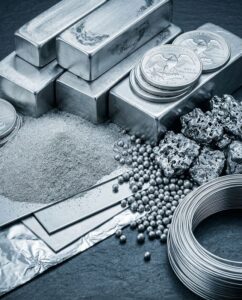
We purchase gold, silver, platinum and palladium from scrap jewellery, industrial scrap, electronic scrap and catalytic converters.
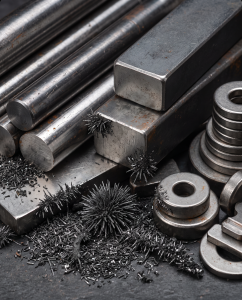
Purchase of steel and cast iron scrap from demolition sites, the dismantling of structures, production waste and wholesale supplies.
The collection of recyclable materials from production, dismantling and collection, for onward processing and recycling.
We purchase cables, electric motors, mixed metals, and electronic and electrical scrap for metal recovery.
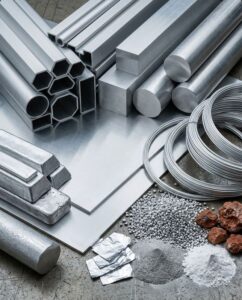
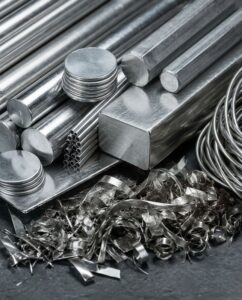
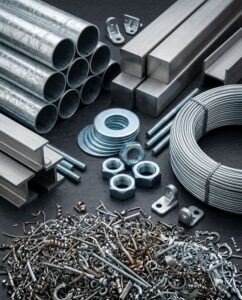
 Radiometric studies
 Waste management
 Management of energy projects
 Professional document destruction
 Waste transport
 Consultancy services
 Weighing scrap metal
Radiometers
Precise radiation measurements.

 Spectrometers
Identification and analysis of materials.
 Material analysis
Our in-house laboratory