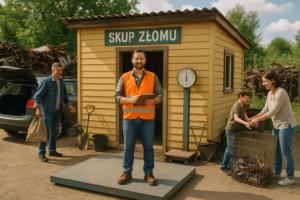


In an era of rising raw material prices and growing environmental awareness amongst the public, the scrap metal market is gaining in importance. The purchase and sale of non-ferrous metals, including brass, are not only a key component of the circular economy, but also a genuine source of income for thousands of people – both individual collectors and owners of small collection points. However, for this activity to be truly profitable, a basic understanding of what we are dealing with is essential. One of the key factors affecting profitability in this sector is the ability to distinguish between different types of brass.
Brass – a versatile material
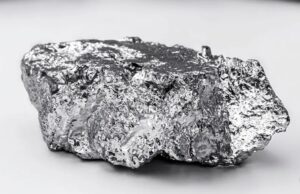
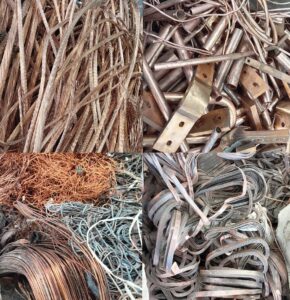
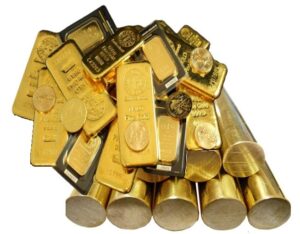
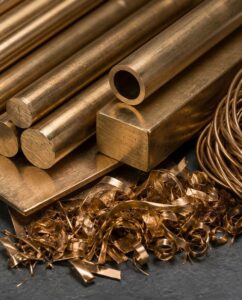
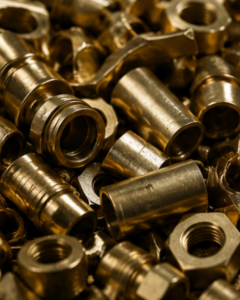
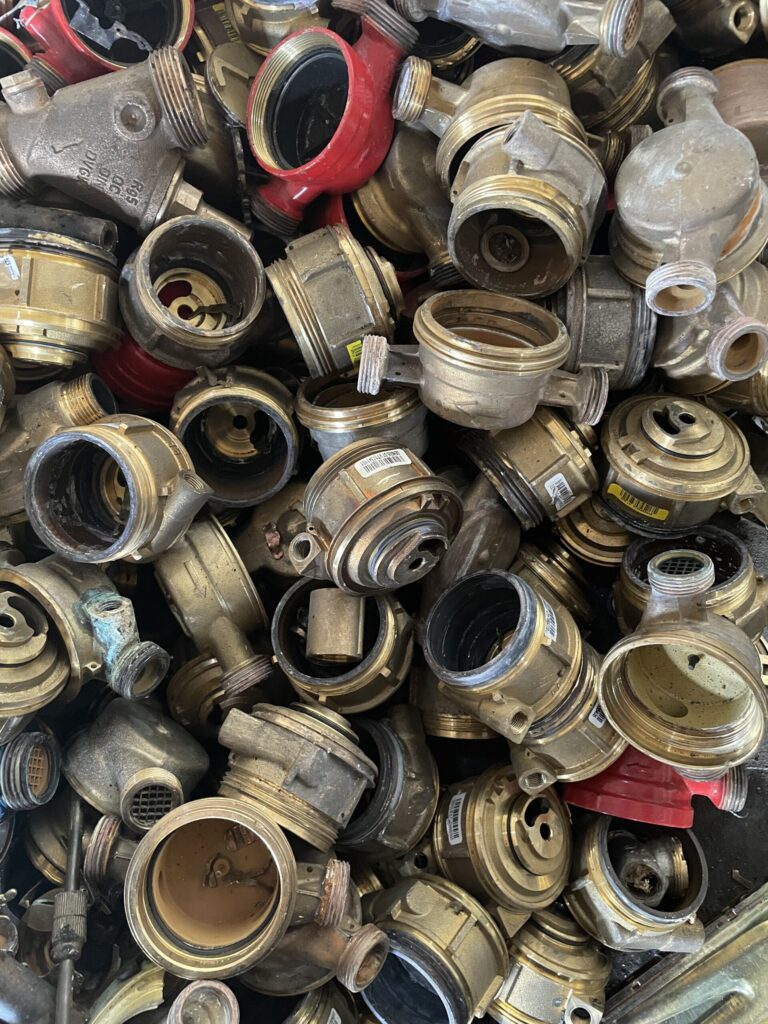
Brass is an alloy of copper and zinc, often with a small amount of other metals added. It comes in a wide variety of forms – from pipes and valves, through radiators, to fine metal shavings. These differences are crucial when it comes to valuing the raw material. Unfortunately, for many beginners – both in collecting and operating collection points – Brass appears to be a homogeneous material. In reality, however, the situation is far more complex.
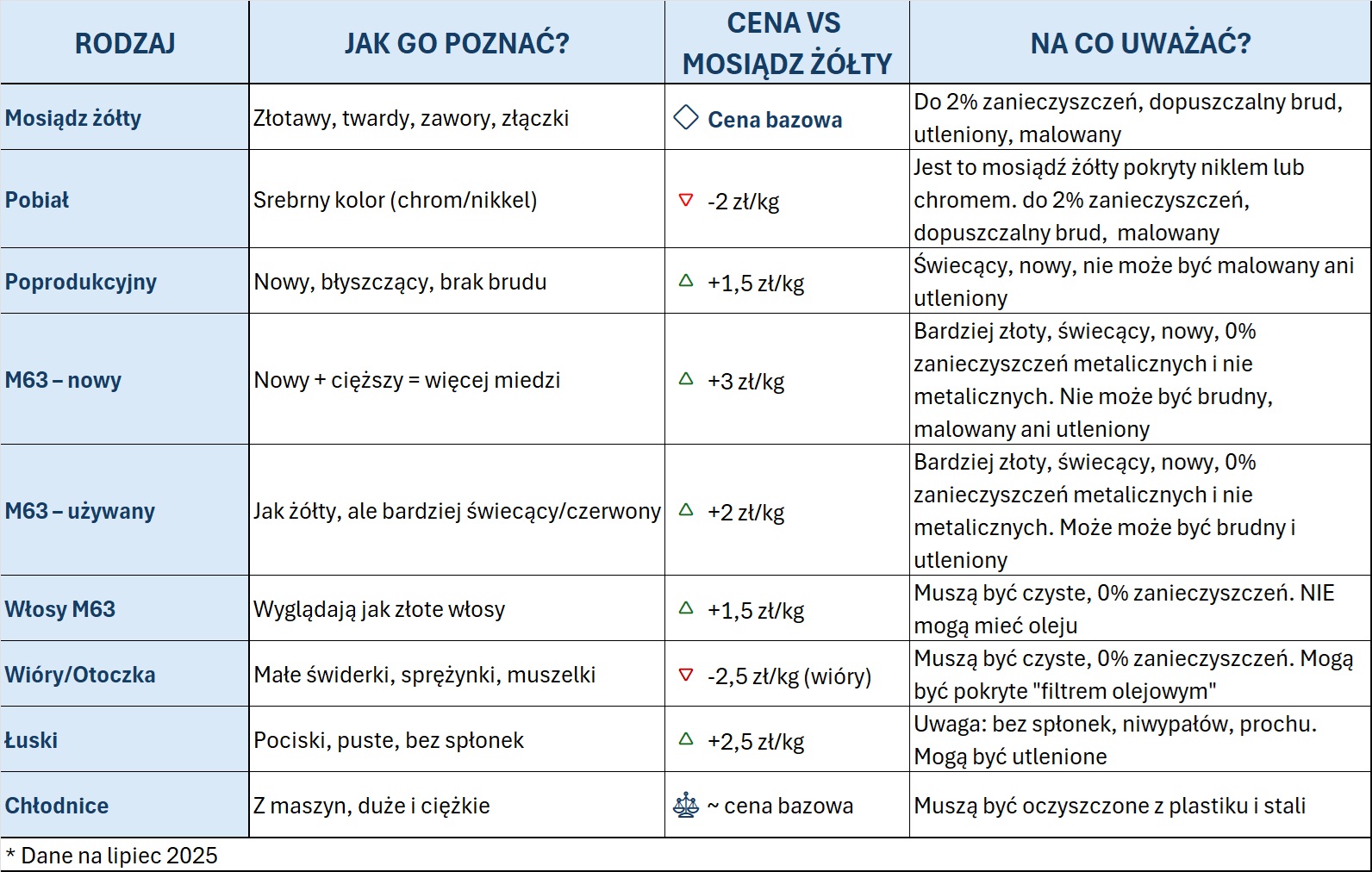
Brass prices at scrap yards vary depending on their content copper, level of cleanliness, origin and technical condition. For example: Pure, unused brass (so-called ‘post-production’ brass) may be worth a few zlotys more per kilogram than the same alloy, but already used, soiled or covered in paint. This distinction, which may seem minor, can in practice mean a difference of several hundred zlotys per delivery.
Knowledge as a source of profit
Recognising individual types of brass It does not require specialised equipment or advanced technical knowledge. All you need are a few simple rules and a bit of care. For example: yellow brass, which is the most common type, serves as a benchmark for other types. It is easily recognisable by its distinctive, warm colour. From brass with a whitewash finish, although it looks similar, it has a chrome or nickel coating and is significantly cheaper.
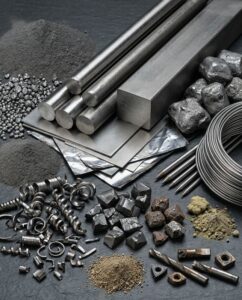
Even more pronounced price differences can be seen in M63 brass – an alloy with a higher copper content (63%), which can cost up to 3 zł/kg more than standard yellow brass, provided it is clean and has not oxidised. The same applies to brass swarf and „shavings” from machining – their value is closely linked to their purity and the absence of oil contamination.
Therefore, an understanding of these differences and the ability to recognise them in the field are invaluable. This is not merely a matter of „book learning”, but of practical skills that can be developed through observation, experience and collaboration with professional buyers.
Brass from ammunition casings – responsibility and safety
Among the more Unusual types of brass include, amongst others, ammunition casings. Although they can be very valuable, they also carry potential risks. They must be thoroughly cleaned of any gunpowder residue, with no traces of misfires or spent cartridges. Buyers – such as RMC Poland – They only accept this type of material if it meets specific safety standards. This is yet another reason why scrap metal suppliers should know exactly what they are offering – for their own safety and for the sake of the staff at the collection centres.
The professionalisation of scrap metal collection
Knowledge of brass is also a step towards the professionalisation of the entire industry. Both scrap collectors and owners of small scrap-buying outlets should be aware that well-prepared material is more readily accepted and commands a better price. A professional approach here means not only sorting metals, but also cleaning them, packing them properly and removing any unnecessary contaminants.
Scrap metal collection is no longer a haphazard activity – it has become a craft that requires knowledge, responsibility and diligence. And where quality is present, value also increases. This approach benefits everyone: suppliers, scrap dealers and the environment.
Identifying types of brass is not just a technical skill – this is a real opportunity to increase your earnings and build trust in business relationships. For RMC Poland Supplier training is a priority – because we know that fair relationships start with knowledge.
We therefore encourage everyone who works with non-ferrous metals to learn the basics and develop their practical knowledge. Because brass – although it may seem unremarkable – can be a source of a steady and decent income. You just need to know how to recognise it.
Other non-ferrous metals for purchase
- https://rmcpolska.pl/surowiec/braz/
- https://rmcpolska.pl/surowiec/cynk/
- https://rmcpolska.pl/surowiec/cyna/
- https://rmcpolska.pl/surowiec/miedz/
- https://rmcpolska.pl/surowiec/mieszaniny-metali/
- https://rmcpolska.pl/surowiec/olow/
- https://rmcpolska.pl/surowiec/znal/
July 2025 – RM