

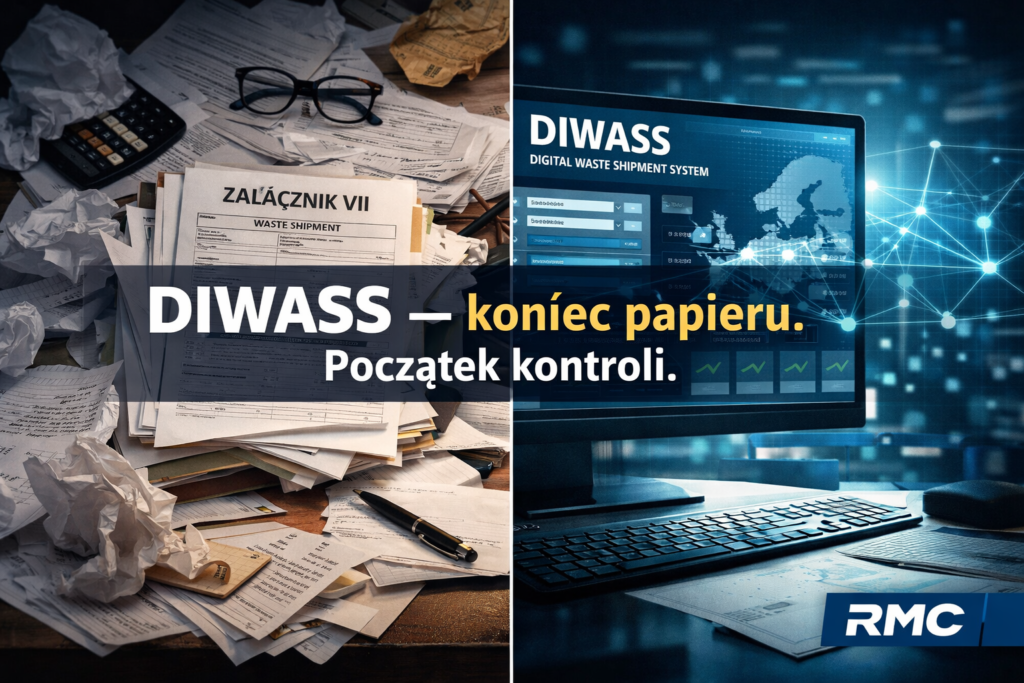




The waste market, particularly in the metals sector, has for years operated on the basis of experience, relationships and operational practice. Documentation was, of course, mandatory, but the way it was circulated and compiled often depended on the specific situation, rather than always following a structured process. With
The modern digital economy, electromobility and the energy transition could not function without a group of elements which – although invisible to the end user – are a key component of the most advanced technologies. Rare earth elements (REE) are now recognised by the European Union
Neodymium magnets as a component of modern technology Neodymium magnets are one of the key components of modern technology, yet for years they remained outside the main focus of the secondary raw materials market. Today, this situation is changing rapidly. With the development of electromobility, renewable energy and modern electronics,
In recent months, the issue of scrap metal exports from Europe to Asia has been coming up more and more frequently. For some companies, this is a natural sales channel, particularly when there is no demand in Europe for certain grades, or when there is demand but the prices do not cover the costs of preparation
In the fourth quarter of 2025, copper prices reached record levels, exceeding the 10,000-euro-per-tonne mark. Strong demand, limited supply and the growing importance of the energy transition mean that the market is entering 2026 with a clear imbalance. For participants in the physical market –
CBAM: extension of the scope to steel and aluminium products – what does this mean for the market? The European Commission has confirmed the direction of further development of the CBAM (Carbon Border Adjustment Mechanism). Following its extension to cover key high-carbon raw materials such as steel and aluminium, legislative work is now underway
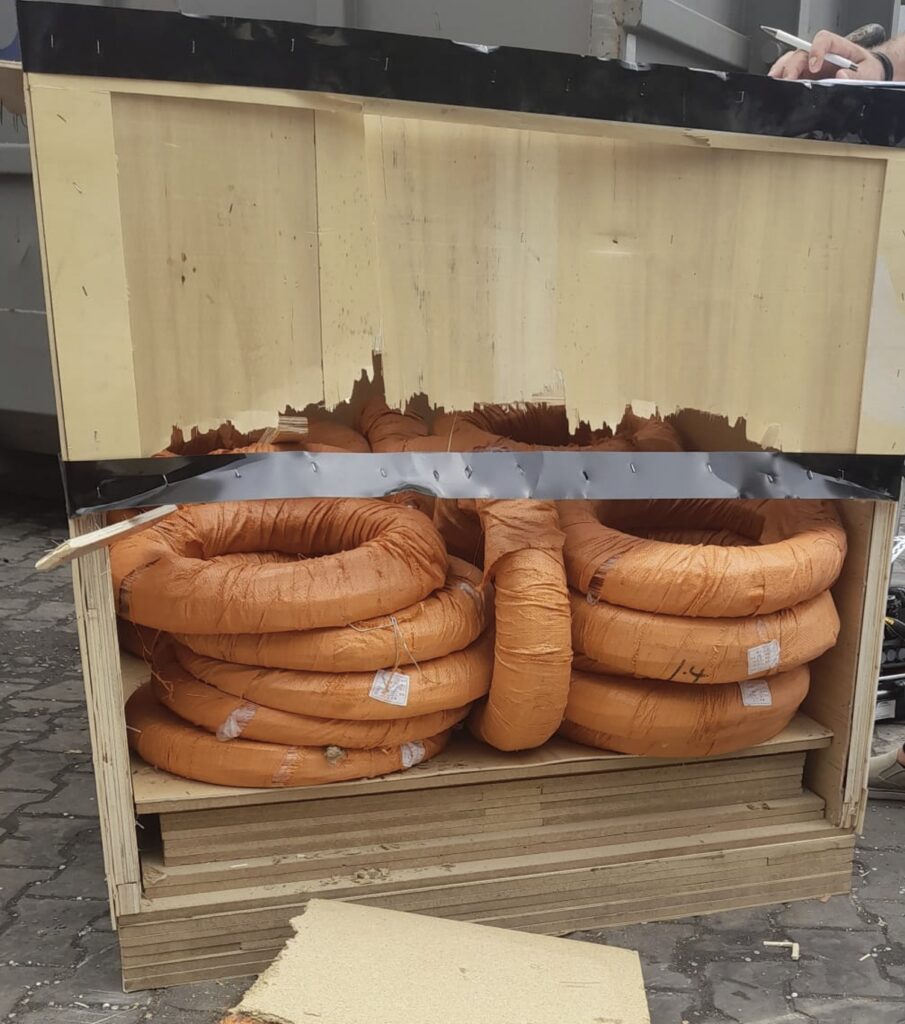
Anyone involved on a larger scale in the trade of non-ferrous scrap metal will certainly have come across offers to buy copper (e.g. Milberry or cathodes) originating from exotic countries – particularly from Africa or less developed regions of Asia. These are often offers
LME prices – the London Metal Exchange (LME) – are a key source of information for companies operating in the secondary raw materials sector, particularly those involved in the purchase and sale of scrap metal. LME prices have a direct impact on the prices of non-ferrous metals – such as copper, aluminium, lead,
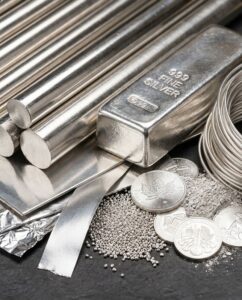
Hidden silver in scrap metal Many scrap metal companies are looking for ways to increase their profits from the materials they buy and, after appropriate processing, resell – to smelters, foundries or large intermediaries. Most often, these gains are achieved through the careful sorting and further cleaning of scrap fractions,
On 20 December 2024, the European Commission adopted implementing acts introducing changes concerning the shipment of electronic waste (e-waste) resulting from the latest amendment to the Basel Convention. The first of these acts amends the existing Waste Shipment Regulation (1013/2006), which remains in force until 20 May 2026 (and, in the case of waste exports,
Many workers in the scrap metal industry are able to distinguish between the basic types of aluminium. These include silicon (Si)-based casting alloys and wrought alloys in various series, depending on the content of different elements in the alloy. One exception is an alloy called Unifont. It is often
Many people wonder why, despite the rise in aluminium prices on the LME (London Metal Exchange), the price of aluminium at scrap yards remains unchanged. The answer to this question is complex, as the price of aluminium at scrap yards depends not only on the aluminium spot price
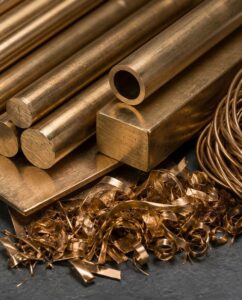
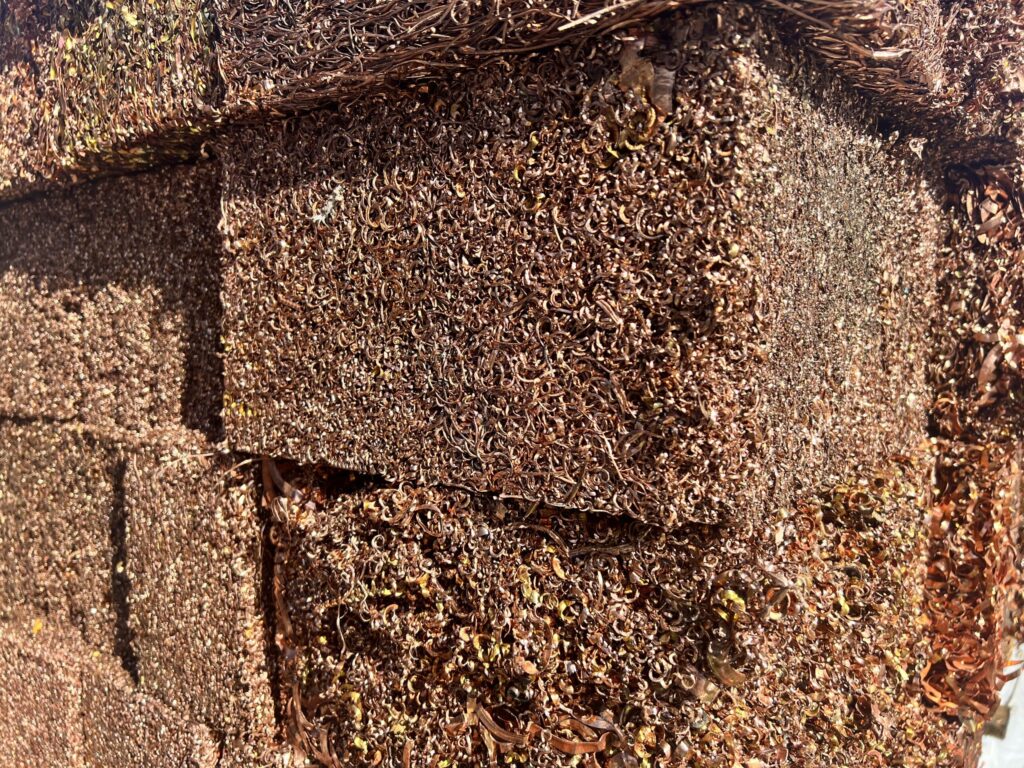
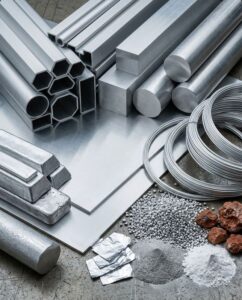
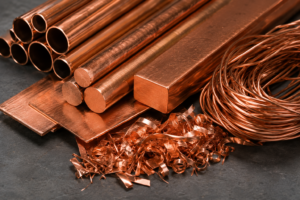
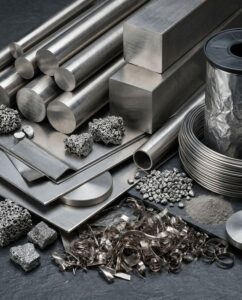
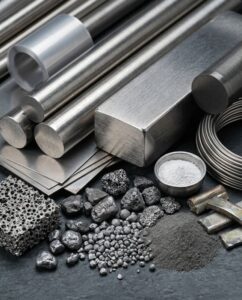
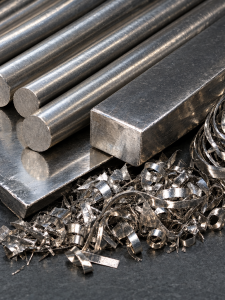
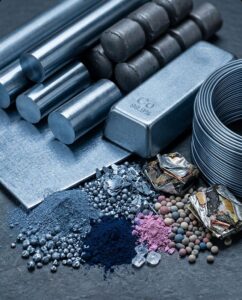
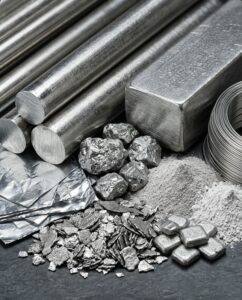
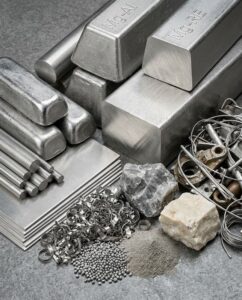
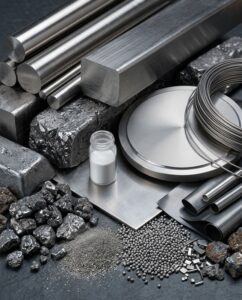
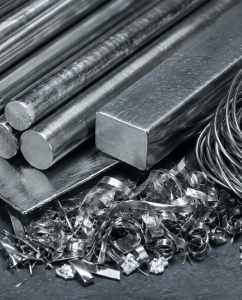
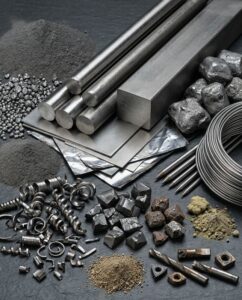
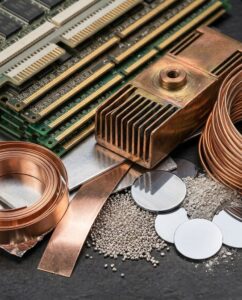
Purchase of non-ferrous metals from production waste, dismantling and wholesale supplies
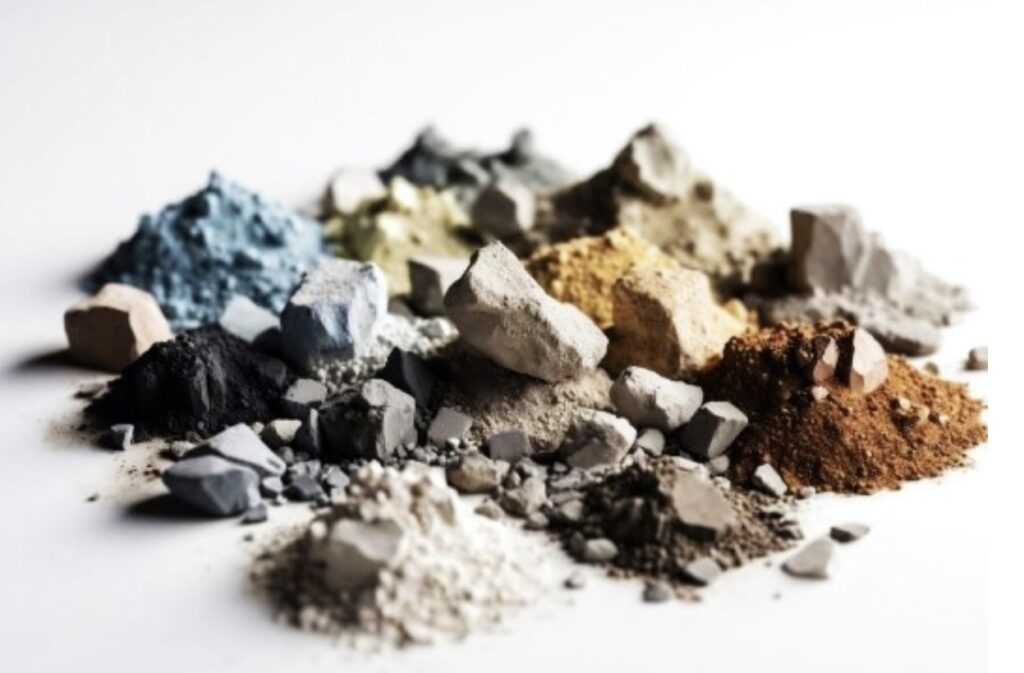
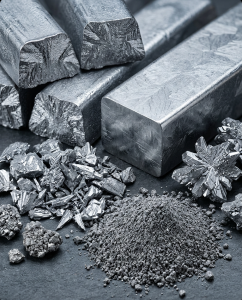
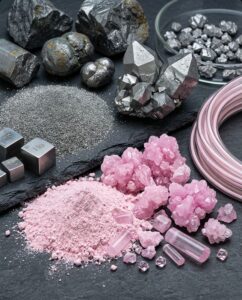
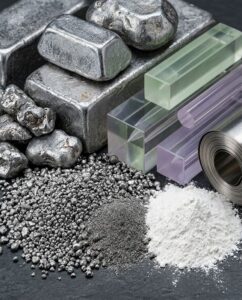
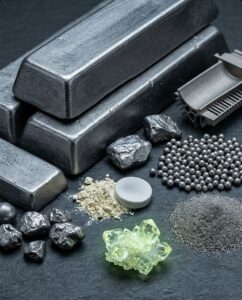
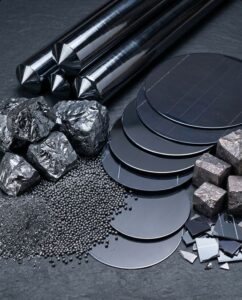
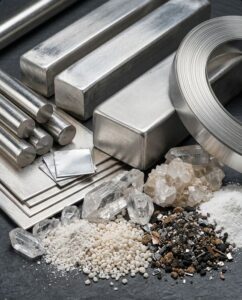
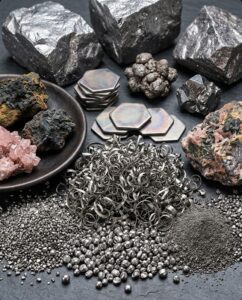
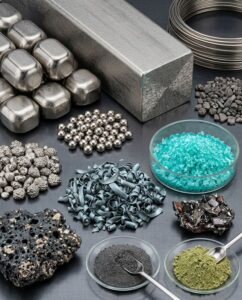
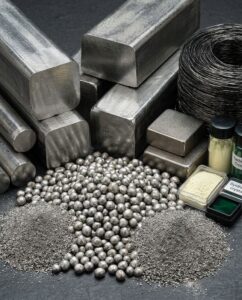
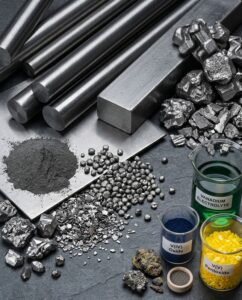
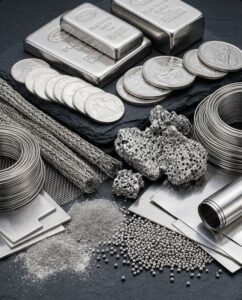
We purchase germanium, gallium, tantalum, niobium, cobalt, tungsten, rare-earth metals and other critical metals – from tooling, manufacturing and specialist scrap.
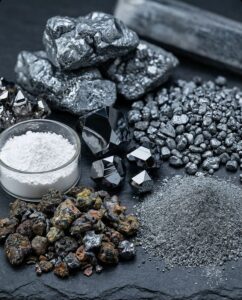
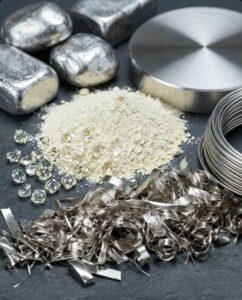
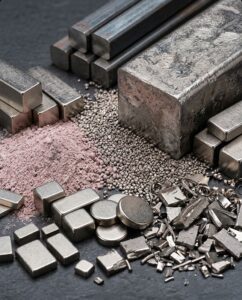
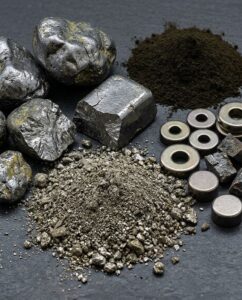
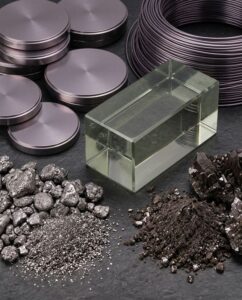
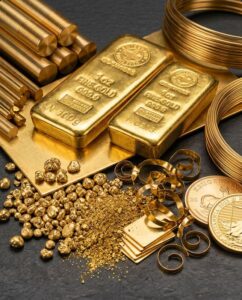
We purchase gold, silver, platinum and palladium from scrap jewellery, industrial scrap, electronic scrap and catalytic converters.
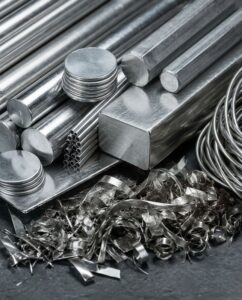
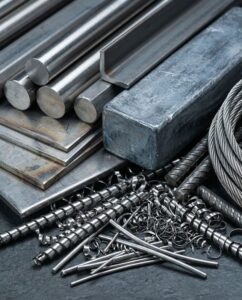
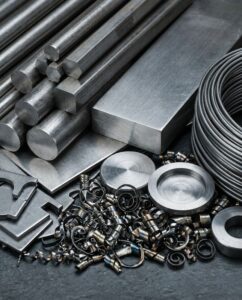
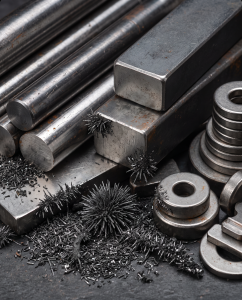
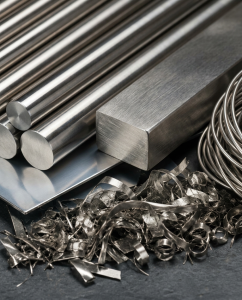
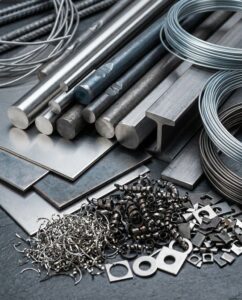
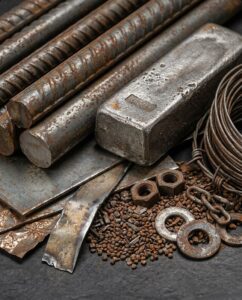
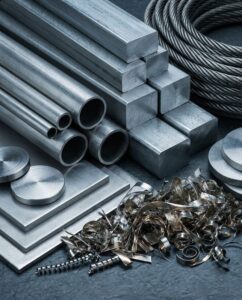
Purchase of steel and cast iron scrap from demolition sites, the dismantling of structures, production waste and wholesale supplies.
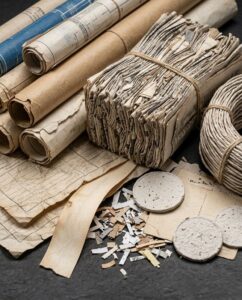
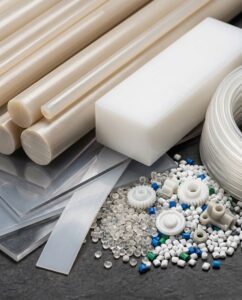
The collection of recyclable materials from production, dismantling and collection, for onward processing and recycling.
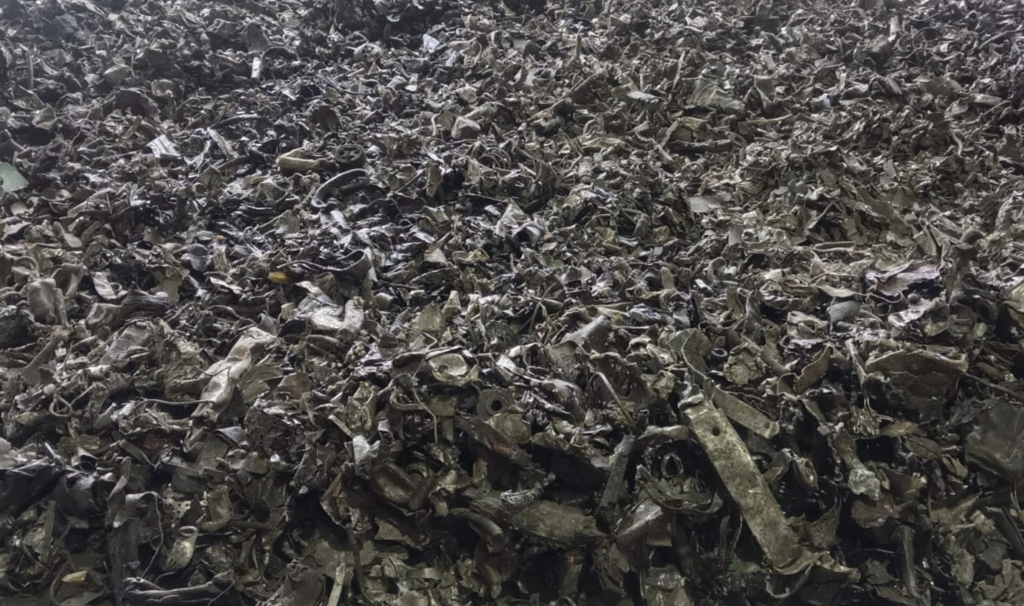
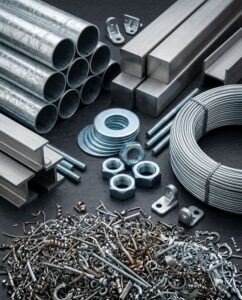
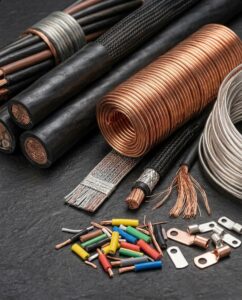
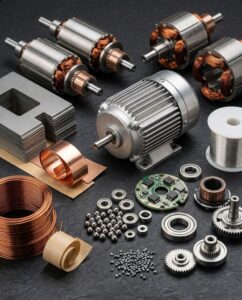
We purchase cables, electric motors, mixed metals, and electronic and electrical scrap for metal recovery.

 Radiometric studies
 Waste management
 Management of energy projects
 Professional document destruction
 Waste transport
 Consultancy services
 Weighing scrap metal
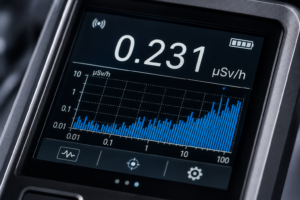
Radiometers
Precise radiation measurements.
 Spectrometers
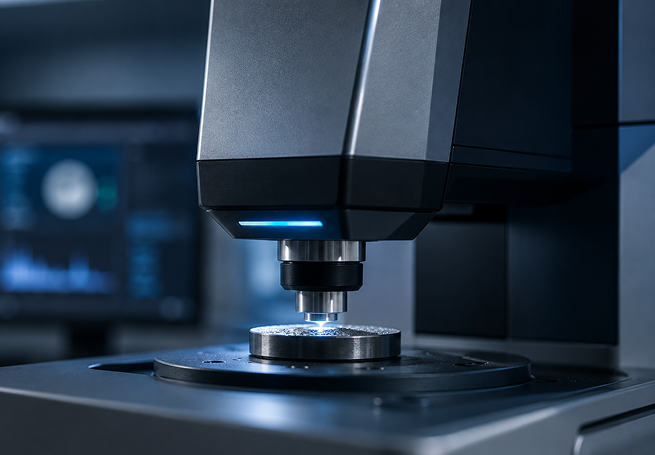
Identification and analysis of materials.
 Material analysis
Our in-house laboratory