

Neodymium magnets as a component of modern technology
Neodymium magnets It is one of the key elements of modern technology, which for years remained outside the main focus of the secondary raw materials market. Today, this situation is changing rapidly. With the development of electromobility, renewable energy and modern electronics, neodymium magnets are becoming not only an essential technological component, but also a valuable raw material that can be processed and sold to RMC.
Neodymium (NdFeB) magnets are made from an alloy of neodymium, iron and boron. Neodymium belongs to the group rare-earth metals, i.e. elements that are scarce and of strategic importance to industry. It is precisely the presence of this element that accounts for the exceptionally strong magnetic properties of these magnets. In practice, this enables the design of smaller, lighter and more energy-efficient devices, which has a direct impact on the efficiency of entire technological systems.

The use of neodymium magnets in industry and electronics
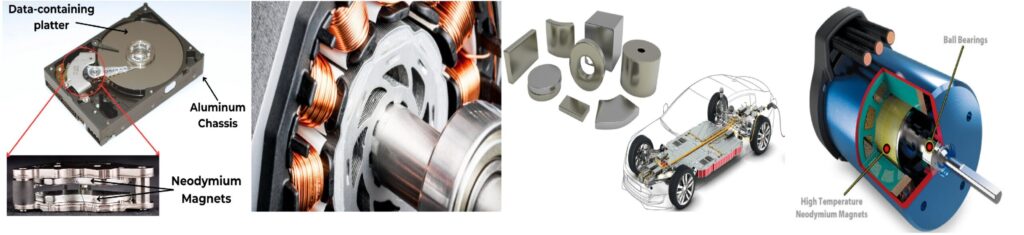
Applications of neodymium magnets Their range of applications is very broad today. They are found, amongst other things, in computer hard drives, electric motors, electric vehicle drives, wind turbines, modern domestic appliances and consumer electronics, such as loudspeakers and headphones. They are also widely used in industrial automation and robotics. In many cases, the end user is unaware of their presence; however, without them, the operation of these devices would be significantly less efficient or even impossible.
How can you identify neodymium magnets and assess their value?
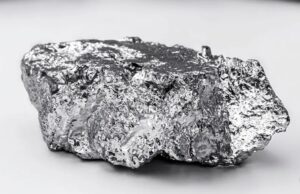
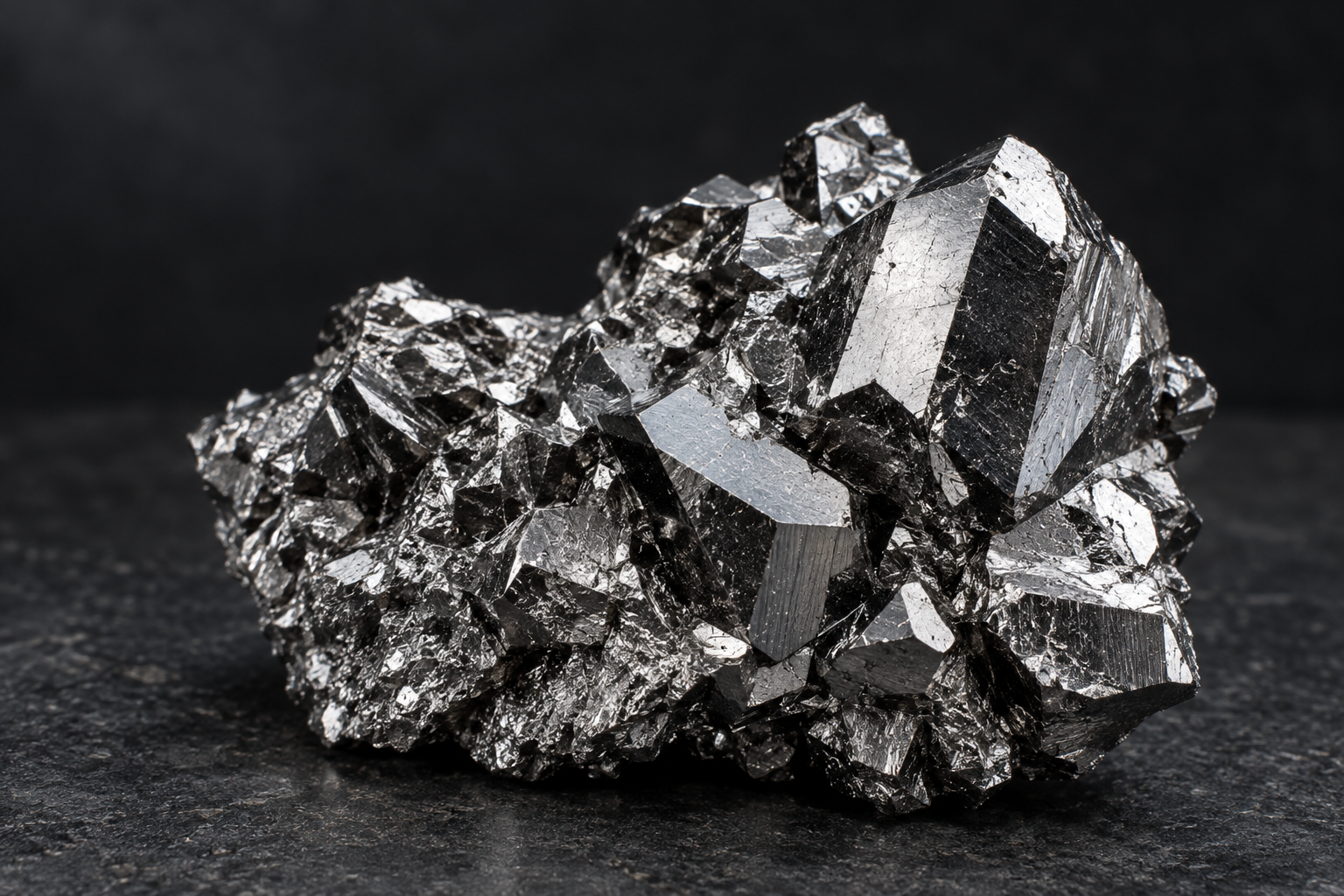
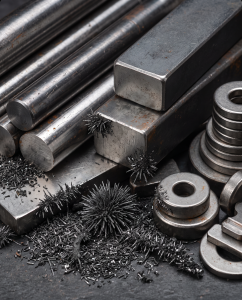
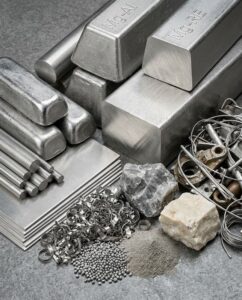
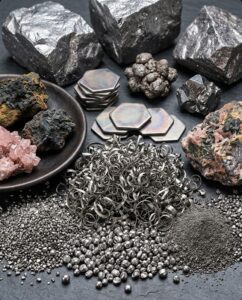
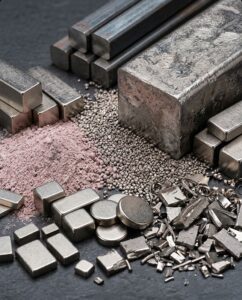
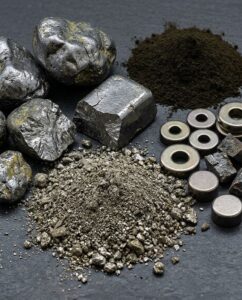
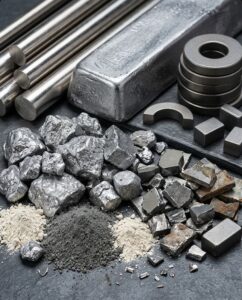
Identification of neodymium magnets It is not always obvious, but there are several distinctive features. First and foremost, these are magnets with a very strong magnetic pull relative to their size. They usually have a silvery, metallic surface, resulting from the use of protective coatings, such as nickel. They are also quite brittle and may crack on impact. In practice, they often take the form of rings, plates or irregular pieces salvaged from dismantled appliances.
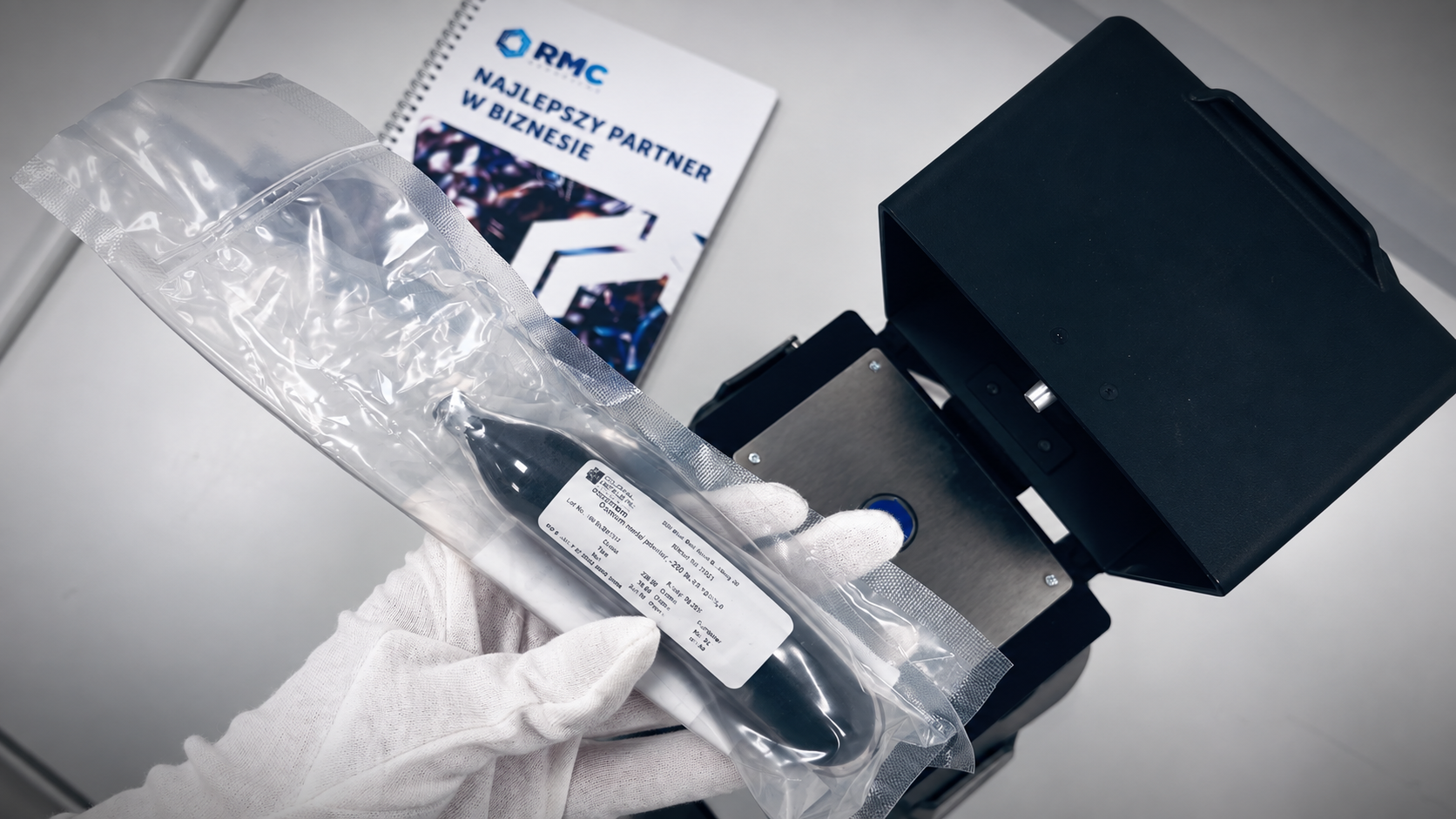
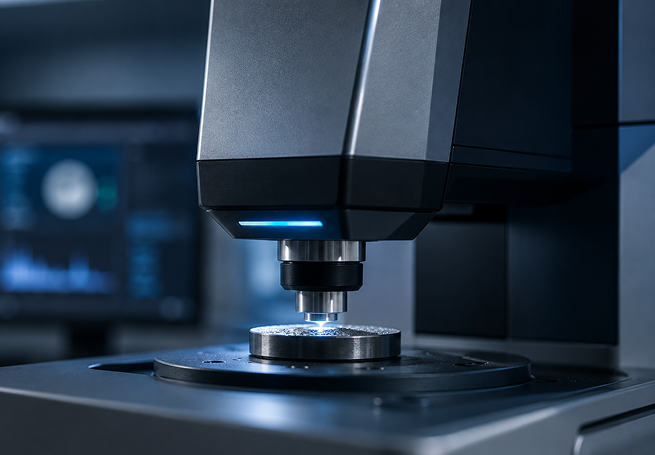
As the importance of rare-earth metals grows, so too does the market value of neodymium magnets as a secondary raw material. Depending on their chemical composition, neodymium content and level of contamination, the prices of neodymium magnets can reach as much as 6 euros per 1 kg. This means that materials previously treated as industrial waste are increasingly becoming a viable source of revenue. Chemical analysis is of key importance here, as it enables the actual rare-earth metal content and the final value of the material to be determined.
The following organisations operate in this area RMC Polska Sp. z o.o.., which purchases neodymium magnets as part of the expansion of its business relating to rare-earth and critical metals. The procurement covers both neodymium purchasing magnets recovered from dismantled equipment, as well as production waste. For suppliers, this means the opportunity to utilise material which, until recently, had no clearly defined market value.
Neodymium magnets are a good example today of a shift in approach to raw materials. From the perspective of the market and recycling, they are no longer merely components of end-of-life equipment, but are beginning to function as a source of metals of strategic importance. Developments in this area are not a passing trend, but a long-term direction which will grow in importance in the coming years, both in Poland and across Europe.
RM 26 January 2026