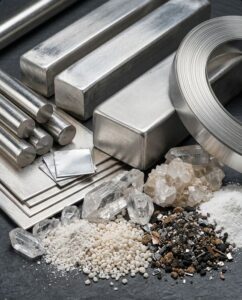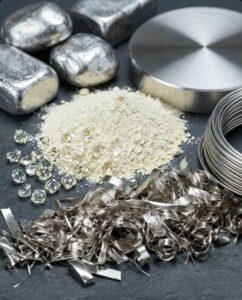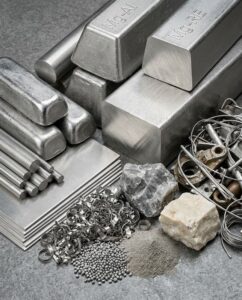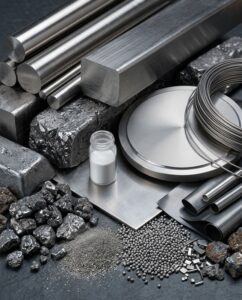


If you were to fill a one-litre bottle with water, it would weigh about one kilogram. The same bottle filled with osmium would weigh over 22.5 kilograms. A small sphere the size of a golf ball would weigh close to one kilogram. Osm, denoted by the symbol Os, is in fact the densest naturally occurring element on Earth.
It is more than twice as heavy as lead, harder than most metals and so rare that annual global production is measured not in thousands of tonnes, but probably in hundreds of kilograms; according to the most commonly cited estimates, it amounts to around 0.5–1 tonne per year. We do not know the exact figure, as osmium is almost never mined on its own. It occurs as a trace by-product of the refining of platinum, nickel and copper, and statistics often group it together with other metals in the platinum group.
Osmium was discovered in 1803 by the English chemist Smithson Tennant whilst examining the residues left after dissolution platinum. Its name comes from the Greek word eighth, denoting a scent.
However, it is not the smell of the solid metal itself that is the issue. The characteristic, pungent odour comes from osmium tetroxide (OsO₄), a volatile and extremely toxic compound formed during the oxidation of osmium. The very fact that the element was named after the odour of its dangerous vapours speaks volumes about its extraordinary chemistry.
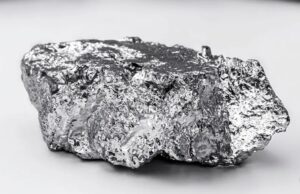
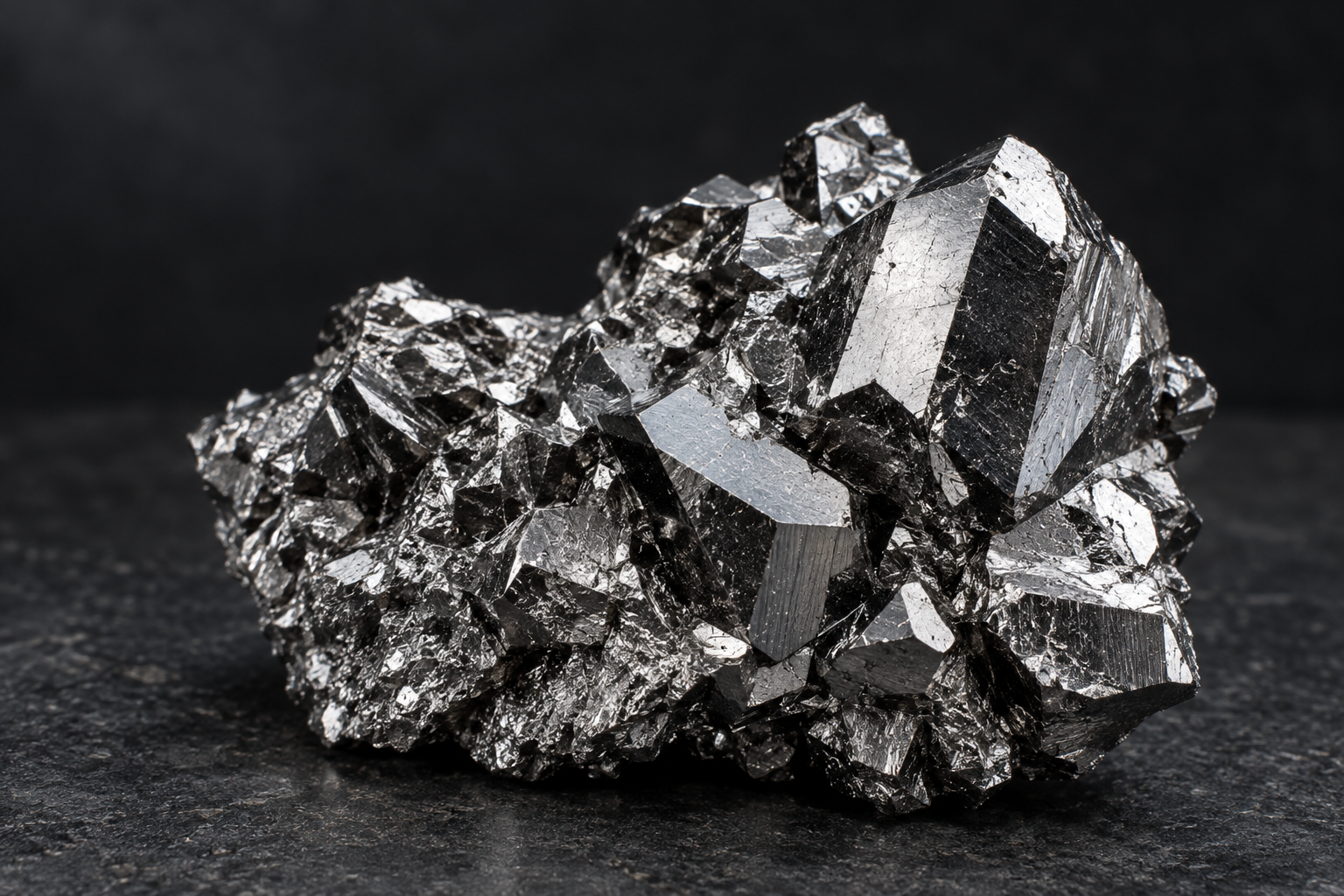
Solid osmium has a silvery-grey, sometimes slightly bluish colour. Its density is approximately 22.59 g/cm³, its melting point exceeds 3000°C, and its hardness is around 7 on the Mohs scale. It is resistant to abrasion and corrosion, but is also brittle. It cannot be easily rolled, drawn or worked in the same way as gold, silver or copper. When struck, it may shatter rather than deform.
The price, uses and safety of osmium are determined primarily by its form.
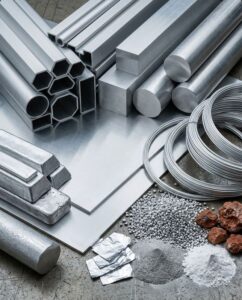
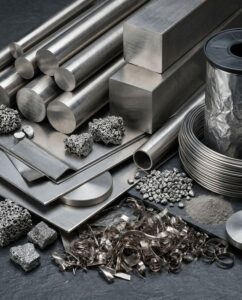
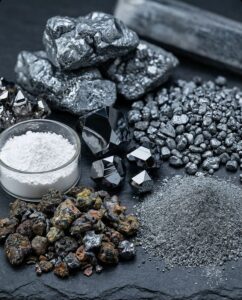
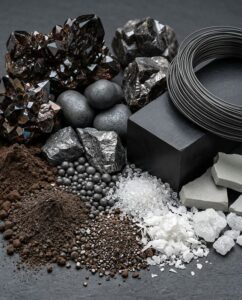
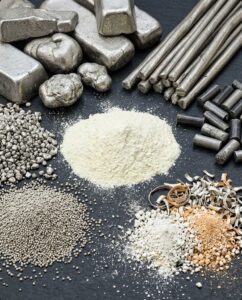
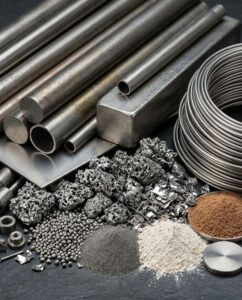
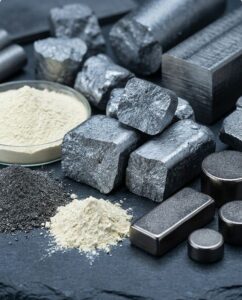
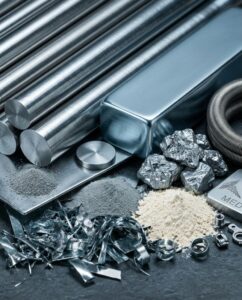
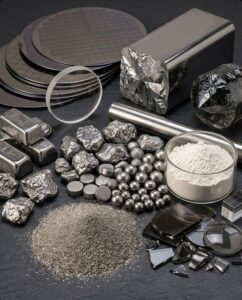
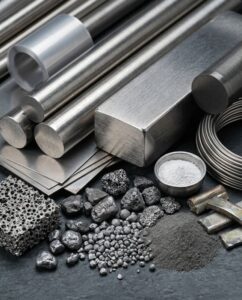
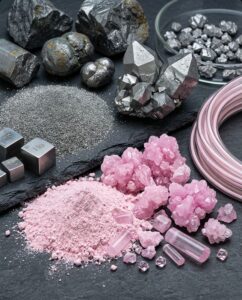
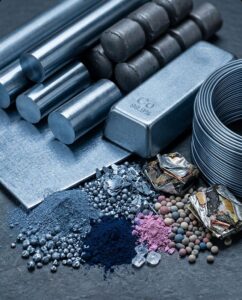
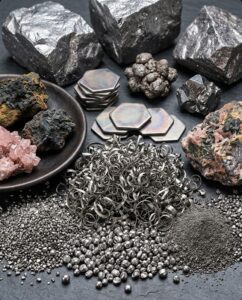
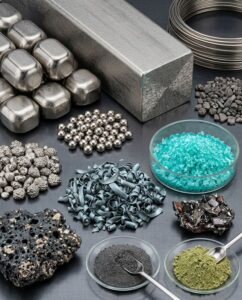
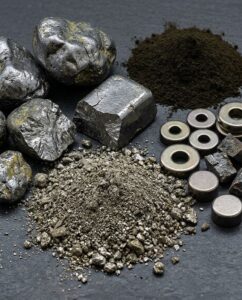
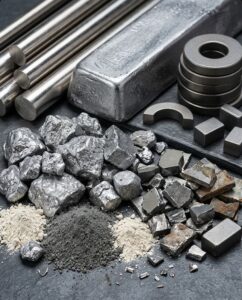
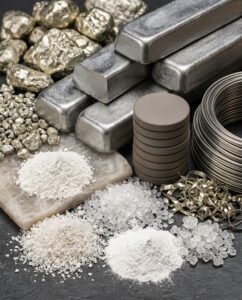
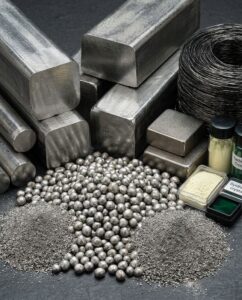
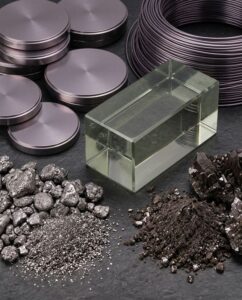
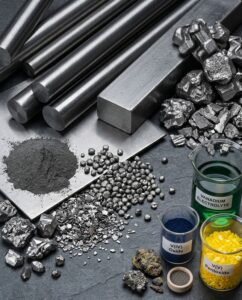
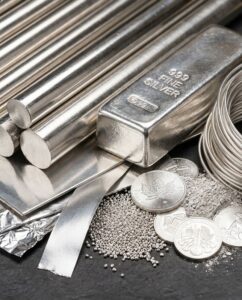
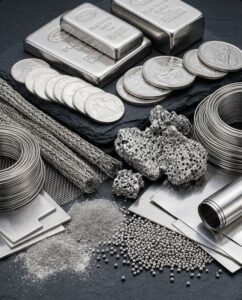
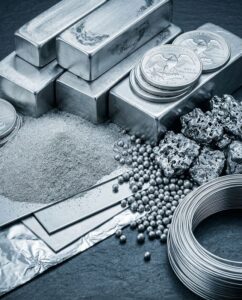
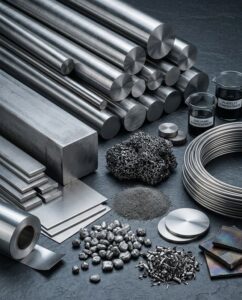
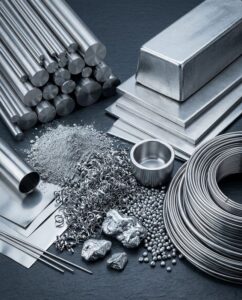
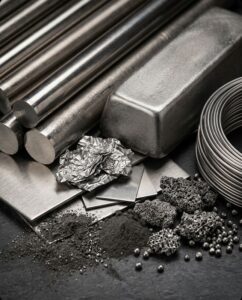
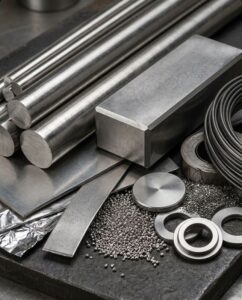
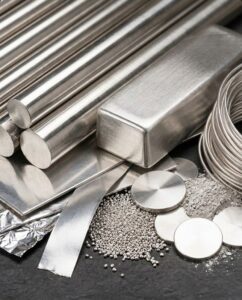
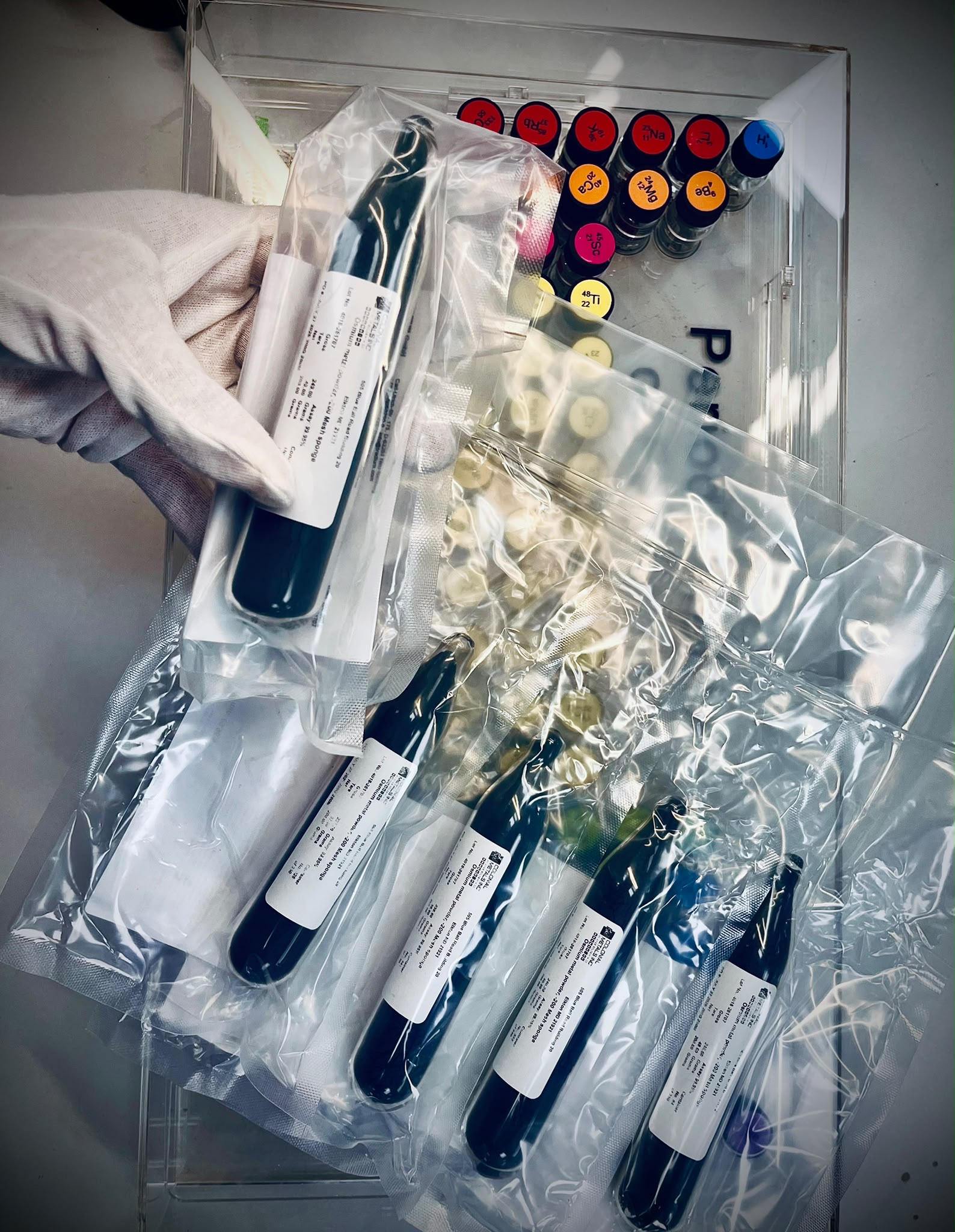
Powder, or what is known as an osmotic sponge, is one of the basic commercial forms. It ranges in colour from grey to almost black and has a very large surface area in contact with the air. It is used as an intermediate in refining, the synthesis of chemical compounds and the production of specialised alloys. It is also the most problematic form from a safety perspective.
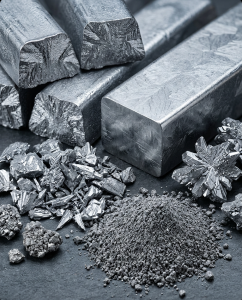
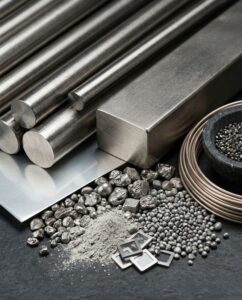
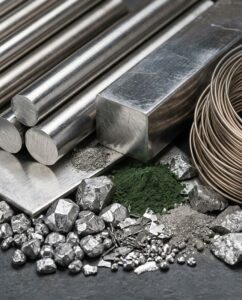
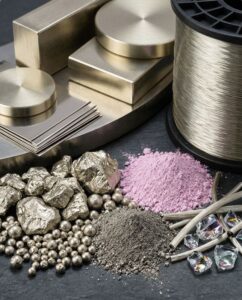
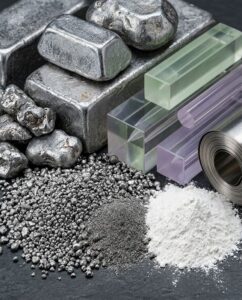
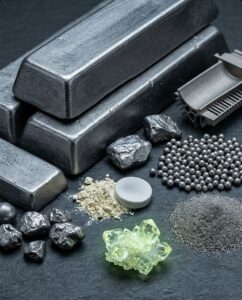
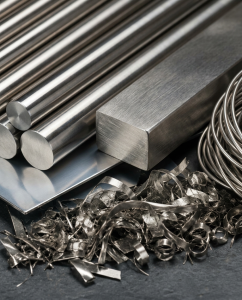
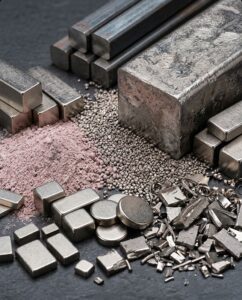
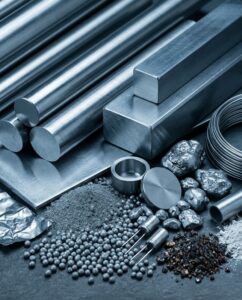
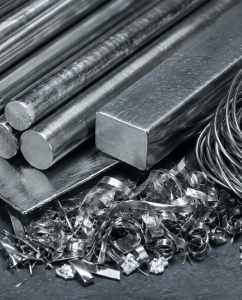
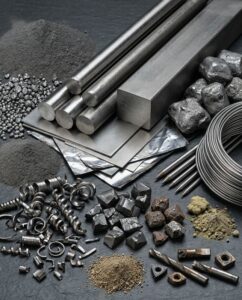
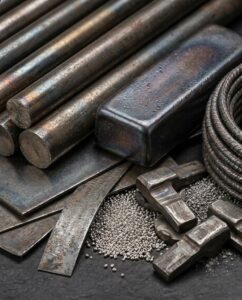
Sintered metal, granules, pellets and ingots are produced by compressing and sintering powder or through advanced remelting processes. Due to osmium’s very high melting point and brittleness, specialised technology is required to produce a compact, homogeneous piece of osmium. Even a small ingot is surprisingly heavy; it looks unassuming, but when you pick it up, it feels as though it were bolted to the table.
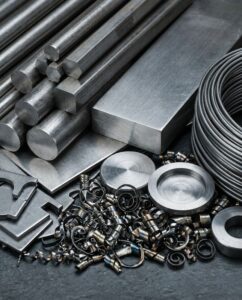
Historically, osmium alloys have been far more important than the pure metal. The addition of osmium to iridium, platinum or ruthenium increases hardness and wear resistance. Such materials have been used, amongst other things, in precision bearings, instrument axles, electrical contacts, gramophone needles and the tips of fountain pen nibs.
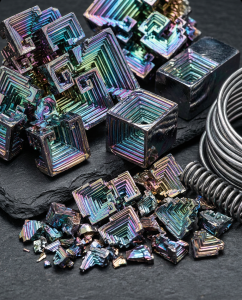
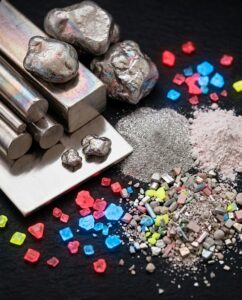
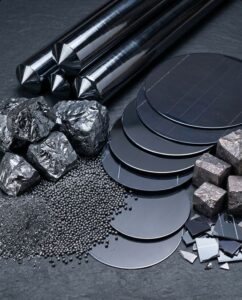
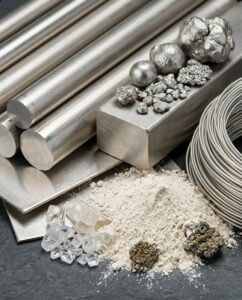
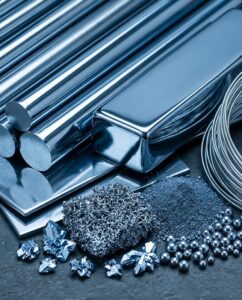
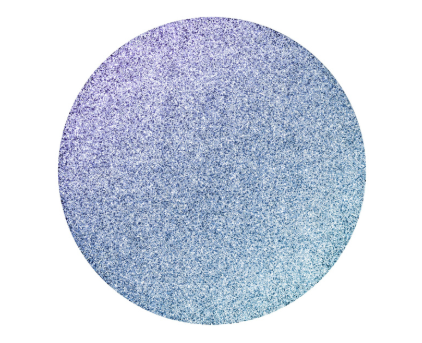
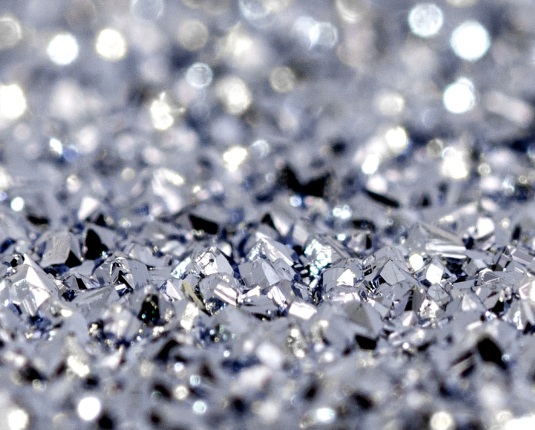
Crystalline Osm has a completely different character. In a carefully controlled process, the metal forms a surface composed of thousands of tiny crystals which reflect light like silver-blue diamonds. This material is used primarily in jewellery, collectables and luxury goods.
It is worth noting, however, that crystalline osmium is not always a single crystal. Most often, it is a polycrystalline material, i.e. one consisting of many crystals. A true osmium single crystal, in which the entire volume has a single, ordered crystalline structure, is much more difficult to produce. The process requires extreme temperatures, very pure material, a controlled atmosphere and specialised equipment. Large, defect-free single crystals are rare and are usually priced on a case-by-case basis.
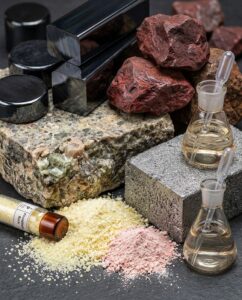
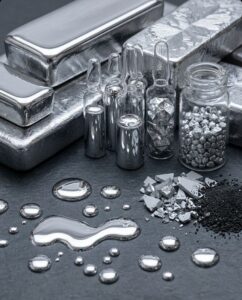
Osmium also occurs in the form of chemical compounds, the most important of which is osmium tetroxide. It is sold in sealed ampoules or as stabilised solutions intended, amongst other things, for electron microscopy and organic synthesis.
How much does Osm really cost? There is no single answer to this question, as Osm is not traded on the stock exchange in the same way as gold or silver. The market is very small, trading is irregular, and there are huge differences between industrial, laboratory and collector’s grades.
Approximate price ranges:
- raw industrial-grade OSM, high-purity powder or sponge: typically between approximately 70 and 100 USD per gram, depending on quantity, origin, purity and documentation;
- small collector’s samples, pellets and sintered items: approximately US$100–500 per gram, as the price includes preparation, certification and a high retail mark-up;
- certified crystalline osmium for jewellery applications: often around 2,000–2,500 EUR per gramme, and even more for pre-cut shapes;
- Genuine single crystals, specialised research components and materials with specific properties: prices are quoted on a case-by-case basis and may, in some cases, be significantly higher than the price of standard crystalline osmium.
The mere statement that „osmium costs several thousand euros per gramme” can therefore be misleading. This price applies primarily to a prepared and certified luxury product, not to every gramme of osmium powder. The retail price of crystalline osmium covers not only the metal itself, but also the crystallisation process, production losses, processing, testing, certification, individual identification and distribution.
With Osme, therefore, you are not only paying for the product itself, but also for giving it a safe, durable and attractive form.
The average osmium content in the Earth’s crust is only around 0.001 ppm, which is approximately one gram per thousand tonnes of rock. This alone does not mean, however, that a gram of the metal can be recovered from every such quantity of rock. Osmium must be present in a deposit that can be economically mined and processed, and it must then be separated from other platinum group elements with very similar chemical properties.
There are no large mines operating solely for the production of osmium. Its availability depends on the extraction of platinum group ores, as well as nickel and copper ores. If production of these metals falls, it is not simply a matter of increasing osmium extraction by opening an „osmium mine”.
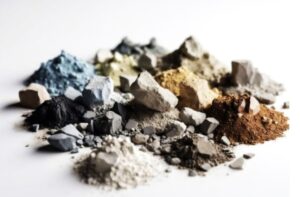
The main sources of platinum group metals are found in South Africa, Russia, Zimbabwe, Canada and the United States. In ore, osmium occurs alongside platinum, palladium, rhodium, iridium and ruthenium. Separating it is a complex, multi-stage and hazardous process, as volatile OsO₄ may be produced during the process.
The paradox of osmium is that its extreme rarity has not always translated into an equally high price for the raw metal. For years, industrial demand was low, the market was illiquid, and potential buyers could be counted in the tens, not the thousands. Osmium is therefore geologically rare, but its price also depends on whether anyone is able to process it safely and actually needs it in a specific form.
.
The best-known application of osmium compounds is electron microscopy. Osmium tetroxide binds to lipids, which is why it is excellent at fixing and enhancing the contrast of cell membranes. As a result, biological structures that are almost invisible in a standard image become clearly visible under an electron microscope.
Osmium compounds are also used as catalysts in organic synthesis. They enable reactions to be carried out with a high degree of selectivity, including the conversion of alkenes into diols. In these processes, small amounts of catalyst are often sufficient.
Osmium alloys are used in applications where exceptional wear resistance is essential: in specialised electrical contacts, components of measuring equipment, precision axles and instrument parts. Historically, they were also used in gramophone needles and the tips of fountain pen nibs.
Osmium isotopes, particularly in the rhenium–osmium system, enable geologists to determine the age of rocks and meteorites. Osmium therefore helps to reconstruct events that took place billions of years ago and to study the processes occurring within the Earth.
It is also appearing more and more frequently in jewellery and collectables. Not because it is easy to work with – quite the opposite, in fact. Its value stems from its rarity, durability and distinctive, iridescent surface.
Solid, compact osmium is relatively stable. The problem arises when the metal is in the form of a fine powder. The smaller the particles, the greater their total surface area and the easier it is for them to come into contact with oxygen. The powder can gradually oxidise to osmium tetroxide, and heating or contact with strong oxidising agents significantly accelerates this process.
OsO₄ is volatile even at room temperature. It can enter the body via the respiratory tract, through the skin and into the eyes. It causes severe irritation, corneal damage, visual impairment and damage to the respiratory system. Symptoms may appear with a delay; therefore, the absence of immediate burning or pain does not mean that exposure was safe. Safety data sheets classify osmium tetroxide as a substance that may be fatal if swallowed, in contact with the skin or if inhaled.
Therefore, an unknown osmium powder must not be opened, transferred, heated or sampled in the same way as ordinary metal. An assessment of the packaging, documentation and the possible presence of OsO₄ is required, and all work must be carried out in accordance with the correct procedure, in a fume cupboard, with eye protection, suitable gloves, atmosphere monitoring, and a prepared neutralisation and emergency response plan.
One of the most extraordinary offers we have come across at RMC Polska was 15 kilograms of osmium powder with a declared purity of 99.95%, factory-sealed in glass vials.
The figure itself is impressive. With global production estimated at hundreds of kilograms, or around one tonne per year, fifteen kilograms could represent a significant proportion of the annual supply of this metal. However, the value of such a consignment would depend entirely on confirmation of its authenticity, origin, purity, type of packaging and the possibility of safely utilising the material.
When purchasing metals in the normal course of business, the natural instinct would be to open the container, examine the material, take a sample and carry out an analysis. In the case of osmium, however, the correct course of action is exactly the opposite: do not open the vial without a laboratory procedure in place.
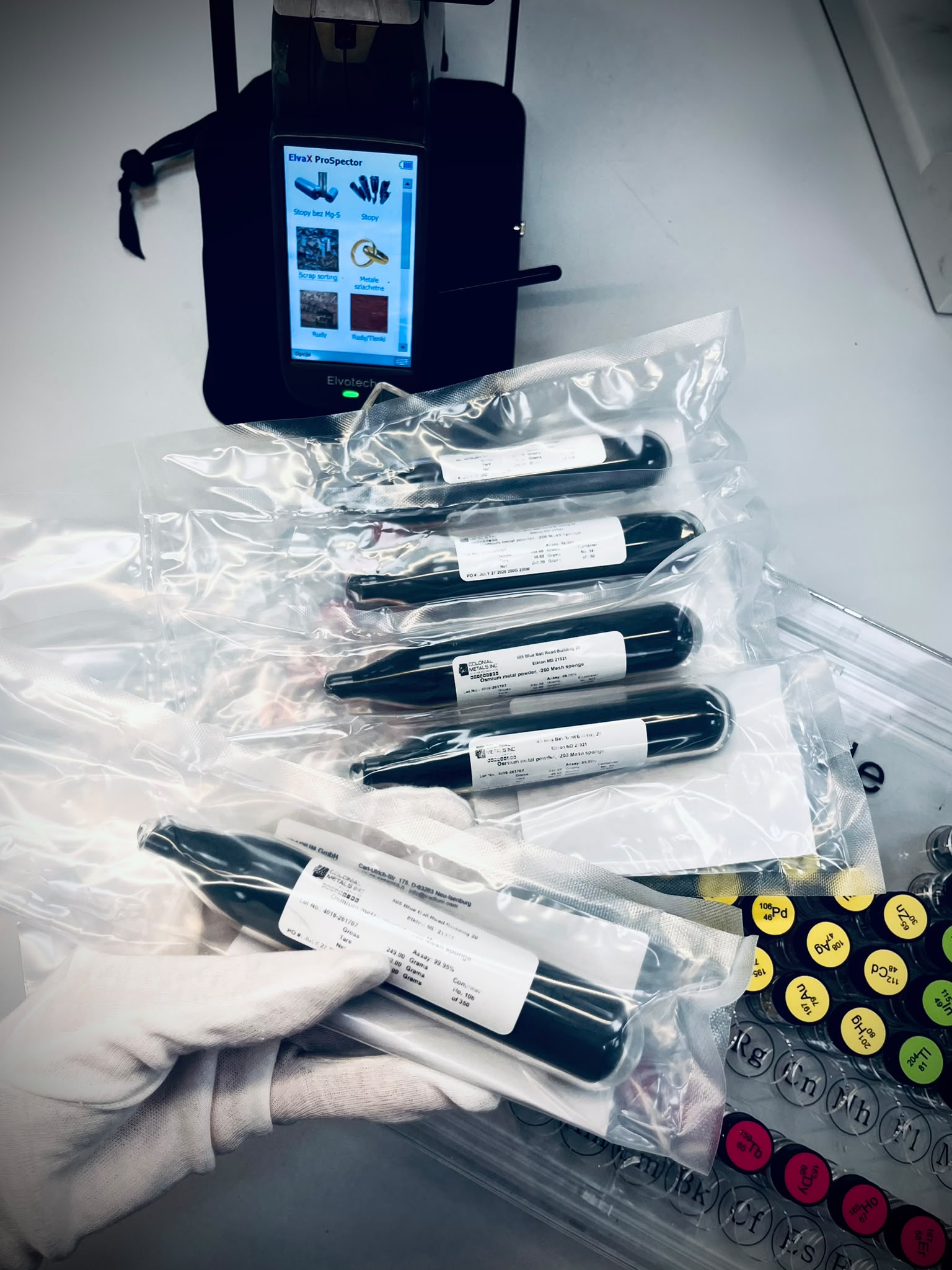
This is one of the most important lessons when working with critical and precious metals. Sometimes, the greatest proof of one’s knowledge is not the ability to examine the material straight away, but rather the realisation that, at this stage, it must not be touched.
If you have osmium, ruthenium, iridium, hafnium, germanium, tantalum, rhenium or any other unusual material, please contact us. We will verify the documentation, assess whether the tests can be carried out safely, and set out the terms of our collaboration or purchase.
Do you have a material that you are unable to identify? Please send us photos of it, any markings, an analysis and details of the quantity available.
RM 20 September 2026