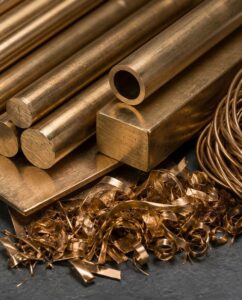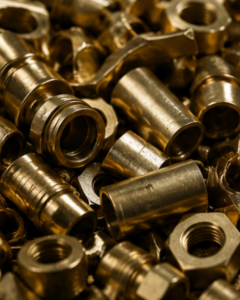


Distinguishing brass from gold can be a challenge, especially for those with no experience in identifying metals. Below are a few tips that might help you.
- Colour: Gold is usually brighter and more lustrous than brass. It has a distinctive, deep yellow hue that is difficult for other metals, including brass, to replicate exactly. It may be necessary to compare the two materials side by side in good light

- Weight: Gold is considerably heavier than brass of the same volume. If you have access to a set of scales, you will find that gold is noticeably heavier than brass of the same dimensions.
- Density: Gold is considerably heavier than brass of the same volume. If you have access to a set of scales, you will find that gold is noticeably heavier than brass of the same dimensions.
- Hardness: Gold is a relatively soft metal. On the Mohs hardness scale, it has a value of around 2.5. This is one of the characteristics that makes gold attractive to jewellers and goldsmiths, as it is easy to work with and shape into various forms, enabling the creation of intricate designs and details. Brass, on the other hand, is considerably harder than gold. It usually has a hardness rating of 3–4 on the Mohs scale. This is due to its composition, which includes copper and zinc, making brass more resistant to scratches and wear than gold.
- Markings: Items made from precious metals, such as gold, are usually marked with hallmarks or stamps indicating their content. For example, an item made of gold may be marked „14K” or „585”, which means it contains 58.5% of pure gold. In the case of brass, such markings do not appear.
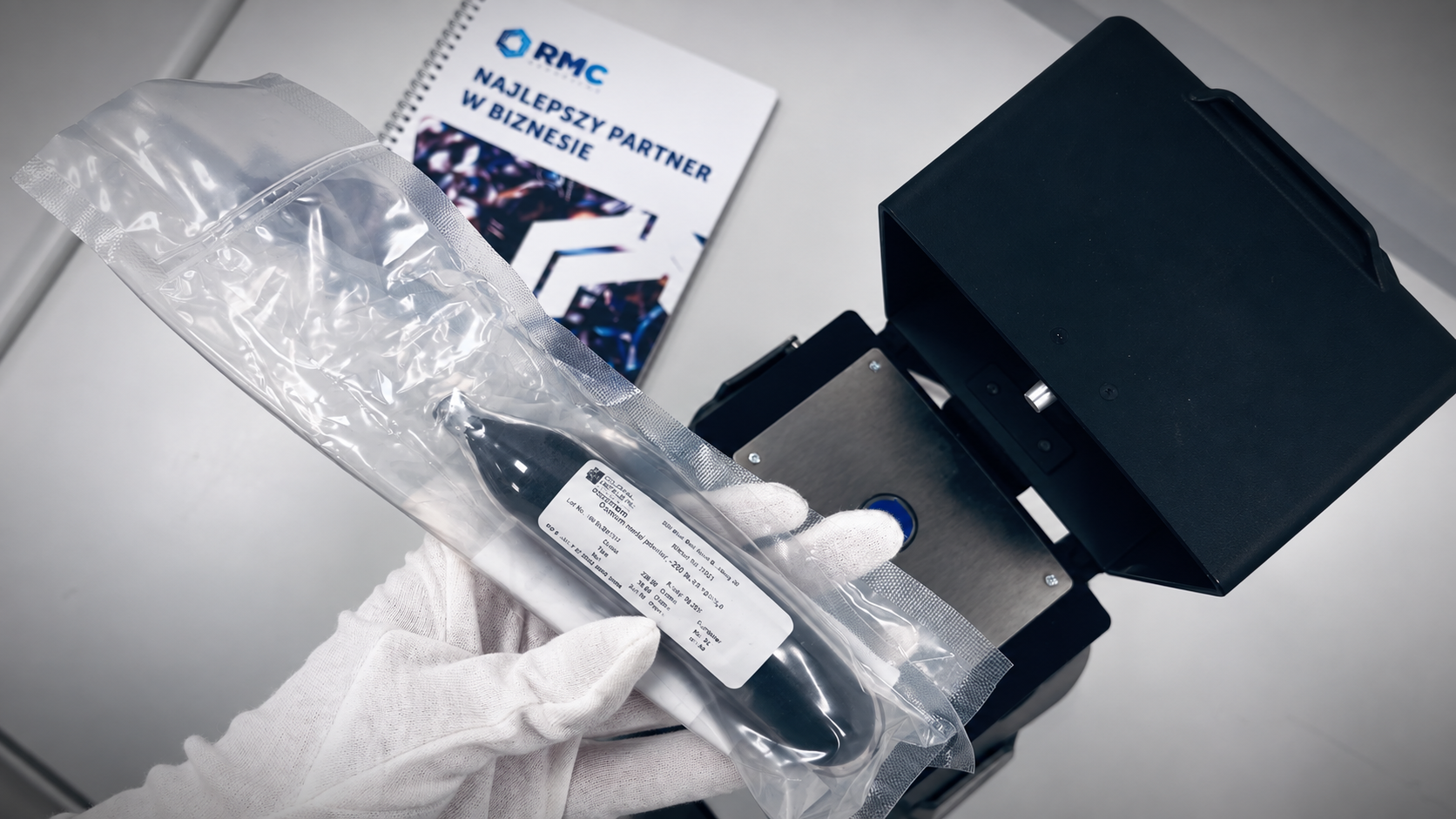
If you are in any doubt, it is best to seek the advice of an expert in the field of metallic materials – brass purchasing. You can also visit RMC Polska, where we will analyse your metal using a specialised X-ray spectrometer designed for analysing precious metals.