

For several months now, I have noticed that an increasing number of companies in the recycling sector are beginning to take an interest in the so-called ‘green list’ of waste. Until recently, for most of the market, the green list was simply a streamlined procedure enabling the free trade of scrap metal and other waste within the European Union. Today, the situation is completely different.
With the implementation of the new EU regulation and the system DIWASS The ‘green list’ is becoming one of the most important – and at the same time most risky – areas of the entire waste market.
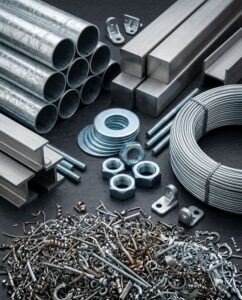
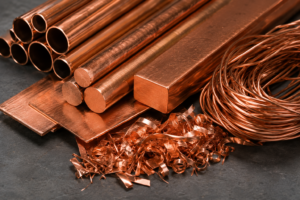
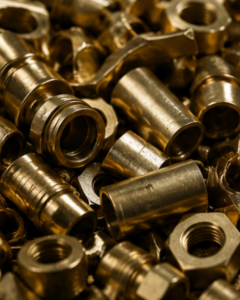
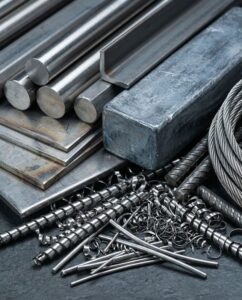
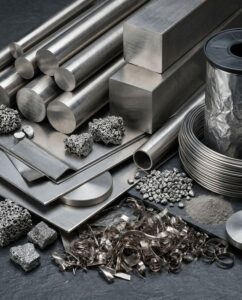
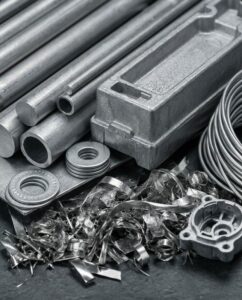
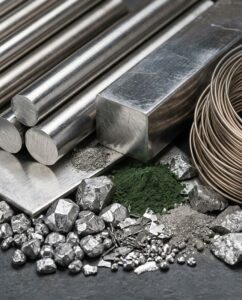
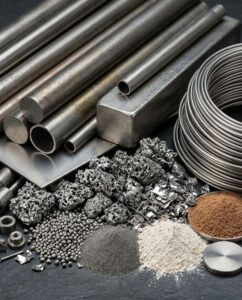
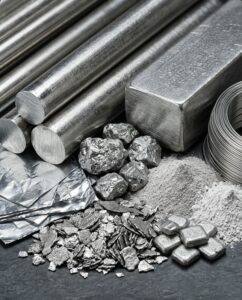
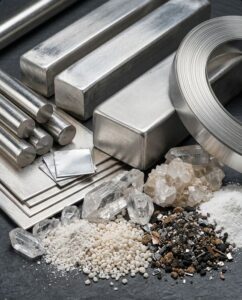
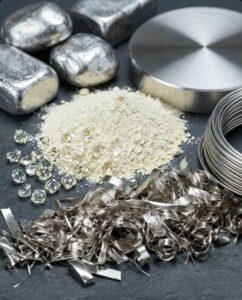
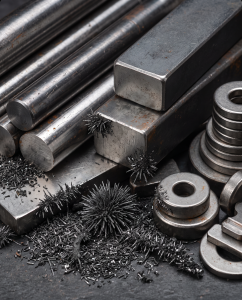
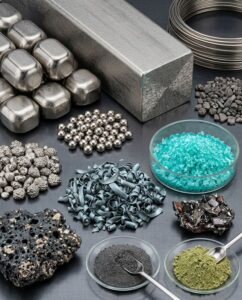
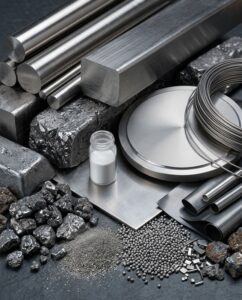
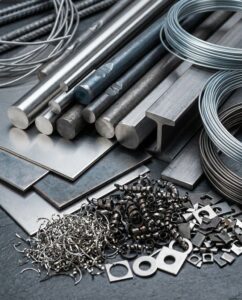
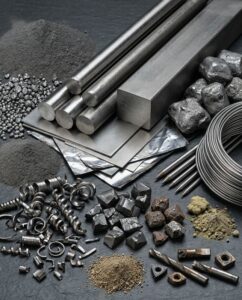
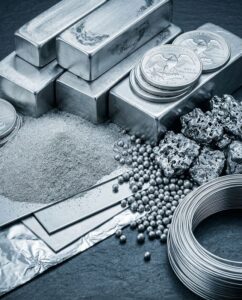
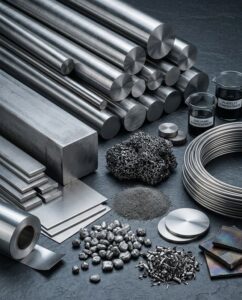
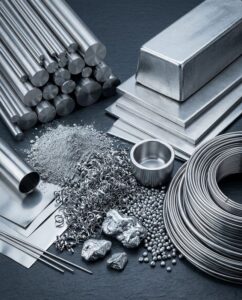
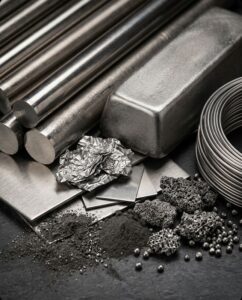
At this stage, the most important thing is to understand what the ‘green list’ is. Put simply, it refers to waste that is considered relatively safe for the environment and easy to recover. In practice, this primarily refers to:
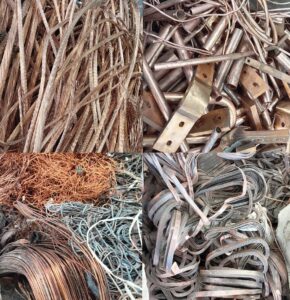
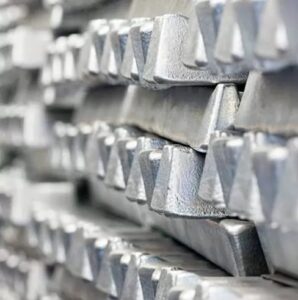
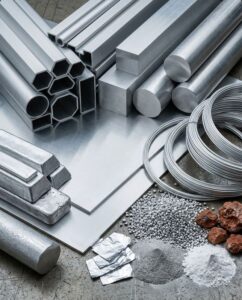
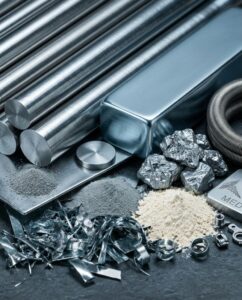
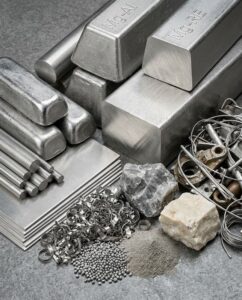
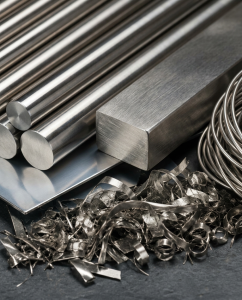
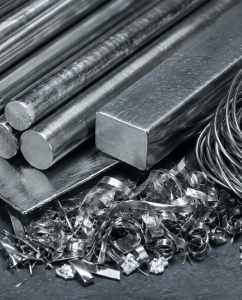
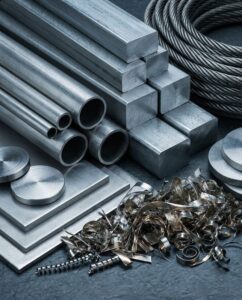
- clean aluminium scrap,
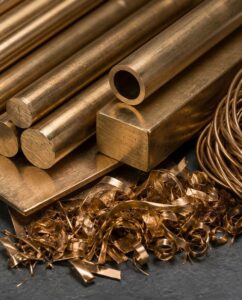
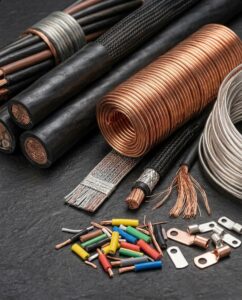
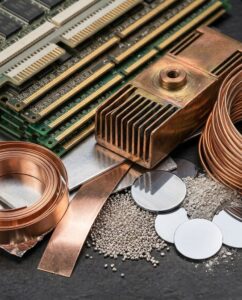
- copper,
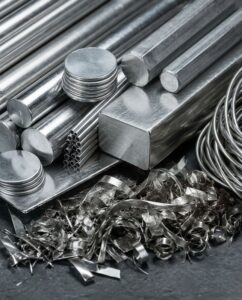
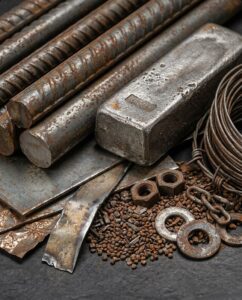
- steel,
- brass,
- zinc,
- homogeneous production waste.
For such materials, a simplified movement procedure based on the document in Annex VII is applied, without the need to go through the full notification process or wait for authorisation from the authorities.
For years, the market has operated relatively freely under this model. The problem, however, is that the new regulations completely change the authorities’ approach to waste classification.
The most significant challenge facing the entire industry is defining the boundary between the green list and the notification, which is becoming increasingly blurred. In practice, it will increasingly be the case that what matters will not be solely how we have labelled the material in the documents, but:
- what it actually looks like,
- what is the level of pollution,
- whether it is homogeneous,
- does it contain any hazardous substances,
- whether its composition matches the declaration.
As long as we are talking about pure aluminium profiles or homogeneous copper scrap, the risk is relatively low. But the further the material deviates from „pure scrap”, the greater the problem becomes.
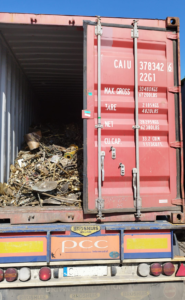
This applies in particular to materials such as:
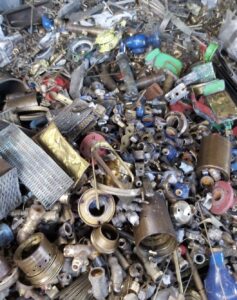
- Zorba,
- shredder,
- alloys,
- contaminated wood shavings,
- coolers,
- waste containing electronic components.
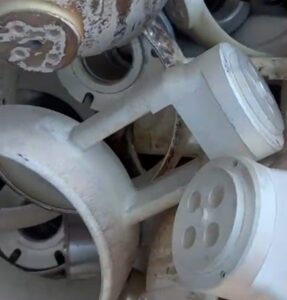
- Refrigerator compressors
- Casting after depreciation
And this is precisely where the greatest risk for businesses lies.
What could cause a waste stream to be removed from the green list?
The question of what might cause a material to be „removed” from the green list will become increasingly important once the new regulations come into force. In practice, even a material that has been classified as green list for years may be reclassified as waste requiring full notification.
The most common problems are:
- Pollutants
For example:
- oils,
- plastic,
- earth,
- electronics,
- hazardous materials.
- Mixing materials
For example:
- a mixture of various metals,
- shredder mix,
- heterogeneous fractions.
- Hazardous additives
For example:
- PCB,
- mercury,
- batteries,
- capacitors,
And this is precisely the direction the European Commission is taking today. The following are becoming increasingly important:
- pollution levels,
- homogeneity of the material,
- the ability to identify waste,
- the actual composition of the material being transported.
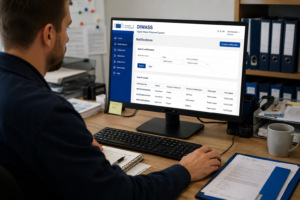
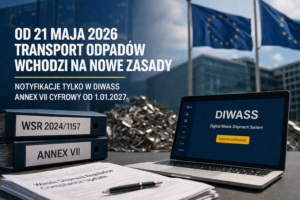
From 21 May 2026, the DIWASS system will come into force for notification procedures. For many companies, this still sounds like nothing more than the digitisation of documents. In my view, it is a much bigger change.
The EU is developing a system to ensure full traceability of waste movements. Every consignment, every classification and every party involved in the process must be visible within the system. This means that incorrectly classifying waste as „green list” can very quickly become a serious legal and financial problem. It is true that Annex VII documents have been granted a transition period until the end of 2026 and may still be handled mainly on paper, but this does not alter the direction of the changes. From 1 January 2027, the ‘green list’ is also set to be fully digitised, marking the end of the era of ‘paper-based’ waste trade.
Looking at the European Commission’s actions, it is clear that the aim of the new regulations is not merely to organise documents.
The EU wants to:
- to curb the uncontrolled export of waste,
- to make the market more closed,
- increase corporate accountability,
- to monitor material flows more closely.
This is also evident from the work being carried out on new pollution thresholds and the extension of the classification rules for specific waste categories.
In recent weeks, I’ve very often heard people say, „But it’s always been on the green list”. And in my view, this is the greatest threat to the market. The fact that a particular material has been classified as ‘green list’ for years does not mean that it will continue to be treated as such by the regulatory authorities once the new regulations come into force. Today, waste classification is becoming one of the most important elements of the entire trading process. And companies that fail to grasp this early enough may face very serious operational problems in the coming years.
RM 16 May 2026