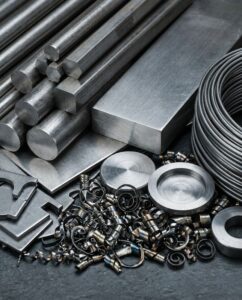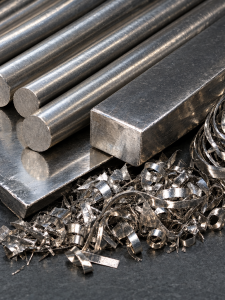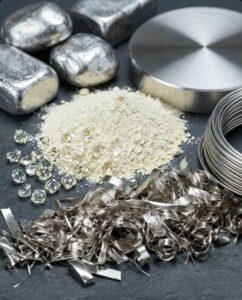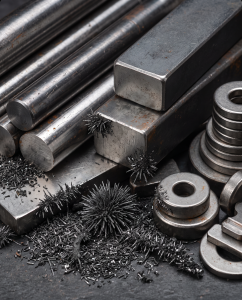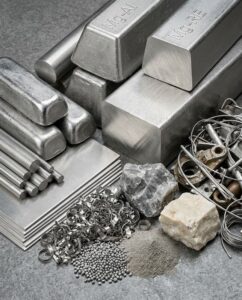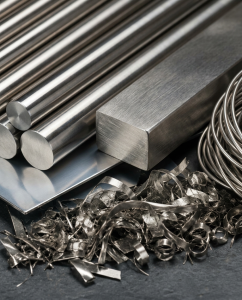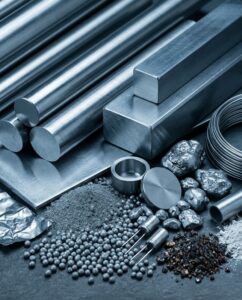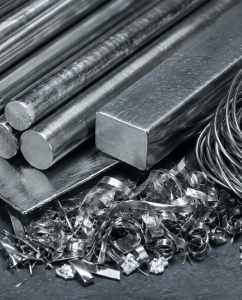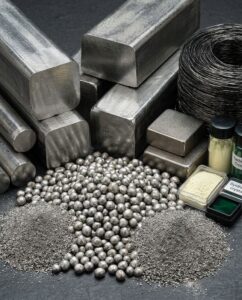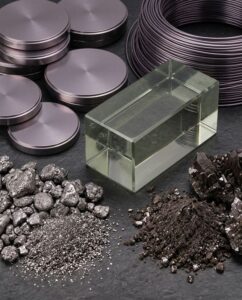


Tool steel – not just a metal, but the cornerstone of industry
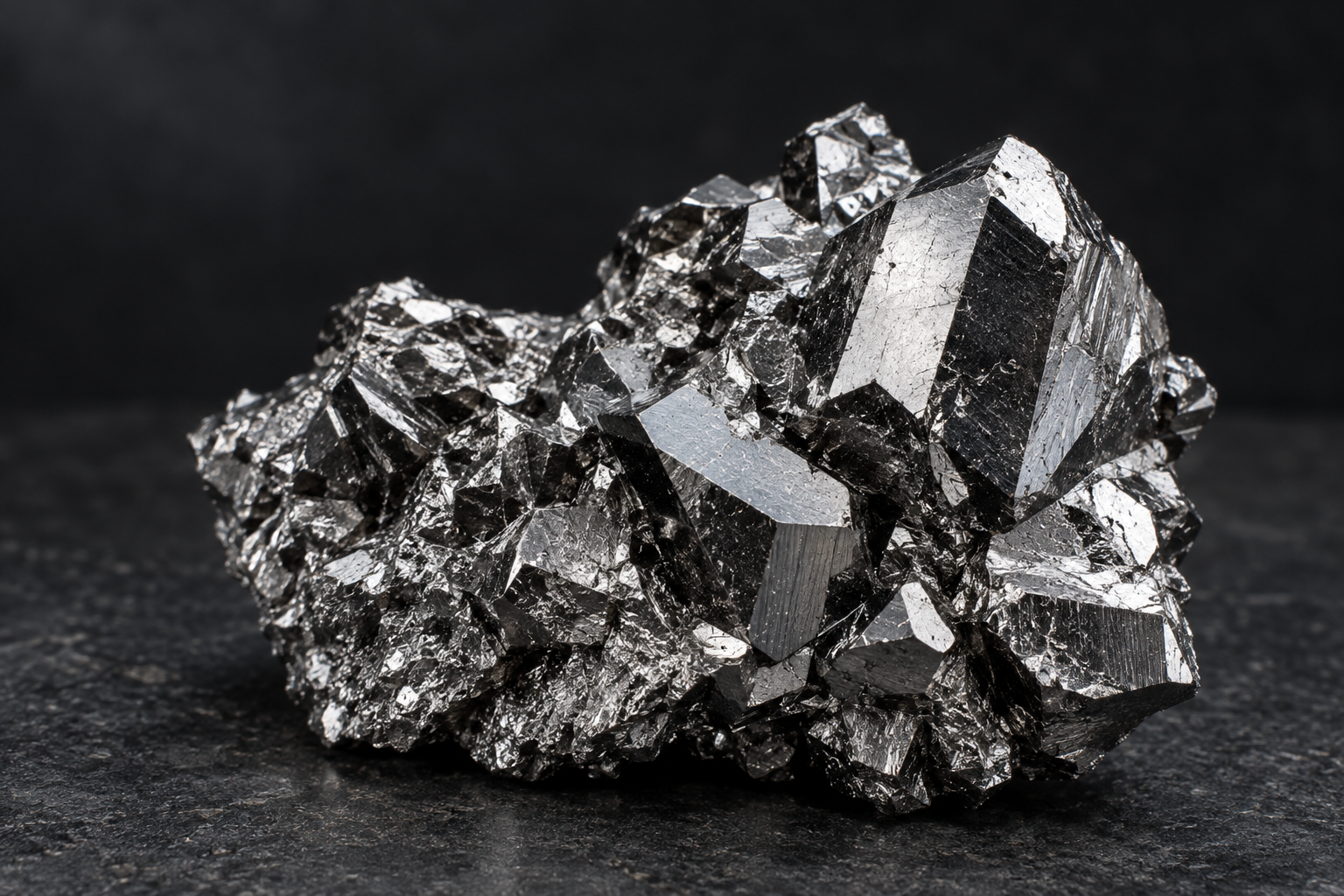
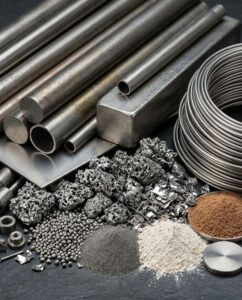
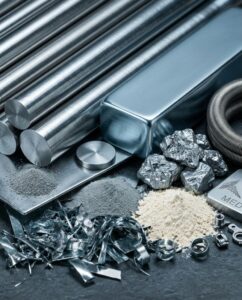
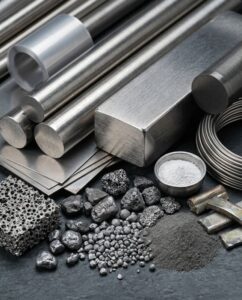
Tool steel, which is far more than just ordinary metal, plays a vital role in advanced engineering and industrial technology. Tool steel is designed to meet the most stringent technical requirements. Thanks to its unique composition, in which elements such as chromium provide corrosion resistance, tungsten enhances hardness at high temperatures, manganese improves hardenability, and molybdenum increases mechanical strength, this steel is key to innovation and production efficiency.
The use of tool steel is not limited solely to conventional tools and equipment. Its unique properties enable the creation of advanced components that are critical to the operation of high-pressure turbines, precision mechanisms in the aerospace industry, as well as specialist surgical instruments.

In the construction industry, tool steel is essential for the production of concrete moulds and reinforcement components, where its wear resistance and ability to maintain precise dimensions contribute to the safety and durability of structures.
Highlighting the role of tool steel in shaping and supporting modern industries demonstrates its importance not only as a material, but also as the foundation of innovation and technological progress. Thanks to ongoing research into improving its properties, tool steels are constantly evolving, adapting to ever-changing requirements and challenges, which underlines their key role in the industry of the future.
The practical application of tool steel
Tool steel is highly valued in many applications where standard materials do not meet the technical requirements. Its use is particularly important in areas where not only mechanical strength is required, but also specific resistance to material fatigue, wear and high temperatures. Tool steel is most commonly used in the manufacture of tools for plastic working or machining. It can also be used to construct various casting moulds and to produce lathe tools, drills and cutters. In the polymers industry, tool steel is used in the manufacture of injection moulds for the polymers industry, where the precision and durability of the mould are crucial to the quality and cost-effectiveness of production.

Furthermore, in the automotive industry, tool steel is essential for the production of moulds and dies used in the mass production of metal car components. Its ability to withstand heavy loads and frequent temperature changes is indispensable in the manufacture of parts with complex shapes and a high-quality finish.
Tools made from tool steel are also essential in the aerospace industry, where every component must meet stringent standards for strength and precision.
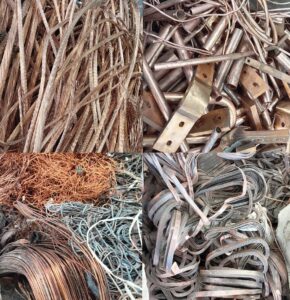
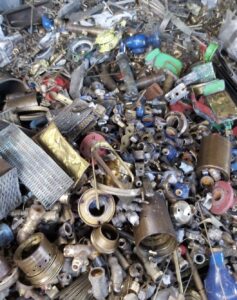
Thanks to its unique properties, tool steel enables the production of tools with exceptional durability, which is crucial in the jewellery and watchmaking industries. Where precision of manufacture has a direct impact on a product’s functionality and aesthetics, tool steel enables the production of components of the highest quality. It is also worth noting its growing use in renewable energy technologies, such as the manufacture of components for wind and hydraulic turbines, where the steel must demonstrate both corrosion resistance and long-term resistance to dynamic loads. This market represents a significant area for purchase of tool steel, which highlights the strategic value of recycling and reusing this material.
Key differences between steel and alloy steel
A more detailed understanding of the differences between plain steel and alloy steel is crucial for engineers, designers, as well as manufacturers of tools and components. Carbon steel is the basic type of steel, deriving its mechanical properties mainly from its carbon content. It is relatively inexpensive to produce and is widely used in components with lower strength requirements, such as the manufacture of nails, screws or simple structural elements.
Alloy steel, on the other hand, thanks to the addition of various metals, offers significantly broader engineering possibilities and is suited to use in more demanding environments. For example, the addition of nickel enhances the steel’s formability and hardenability, whilst also improving its resistance to cracking at low temperatures, which is invaluable in structures exposed to extreme weather conditions. Chromium, in turn, when added to steel, increases its corrosion resistance, which is crucial in the manufacture of components exposed to constant contact with water or moisture, such as pipes or marine structures. Vanadium, when added to steel, increases its hardness and wear resistance, which is beneficial in the manufacture of high-quality cutting tools and machine components, whilst manganese enhances wear resistance.
Tool steels and their specific applications
Tool steels are used in numerous specialist industrial sectors that require materials with exceptional properties. One example is hot-work tool steel, which is essential in processes such as forging, extrusion and die-casting. Thanks to its ability to retain hardness and mechanical strength at elevated temperatures, hot-work tool steel is ideal for the production of tools and dies that are subjected to cyclic heating and cooling.
Another specific application of tool steel is the manufacture of woodworking tools, such as router bits and circular saw blades. These tools must not only be mechanically robust, but also resistant to acids and moisture, which are natural components of wood.

Tool steels are also crucial in modern technologies, such as the manufacture of components for the semiconductor industry, where absolute precision and minimal tolerances are required. Tools and components made from tool steel enable the production of delicate electronic components that are essential in today’s digital devices.
These applications highlight the versatility of tool steels and their crucial role in many demanding industrial sectors where traditional materials fail to meet expectations. Thanks to continuous development and optimisation of chemical compositions, tool steels will continue to play a central role in industrial innovation, enhancing production efficiency and the quality of end products.
Designations for tool steel
Tool steel designations provide essential information that enables specialists from various industries to accurately identify the material suitable for a specific application. Understanding these designations is crucial to ensuring the correct choice of material, which is decisive for the final performance and durability of the product.
The designation system for tool steel is not uniform worldwide, but is based on several standards which may vary depending on the country or region. In Europe, the classification system based on the EN ISO standard is widely used, whereby tool steel is designated by a series of letters and numbers that indicate its main characteristics. For example, designations such as „1.2344” or „H13” refer to high-chromium hot-work tool steel, where the digits and letters have specific meanings: the first digit (1) indicates the type of steel (hot-work steel), the next three digits (234) are the code for the specific chemical composition, and the letter (H) denotes the application category (hot-hardened steel).
In the United States, it is common to use AISI/SAE designations, which are also based on an alphanumeric system. For example, the „A2” series refers to cold-work tool steel containing chromium and molybdenum, which offers good dimensional stability after hardening and low susceptibility to cracking.
Furthermore, the JIS (Japanese Industrial Standards) designation system uses letters and numbers to indicate specific properties of the steel. For example, „SKD11” is the Japanese equivalent of the American „D2”, which denotes high-carbon cold-work tool steel with good machinability and wear resistance.