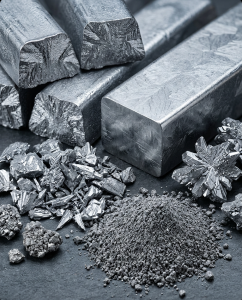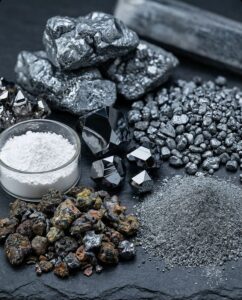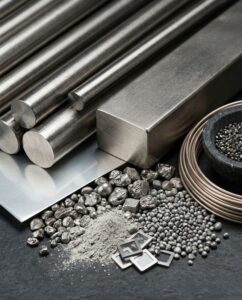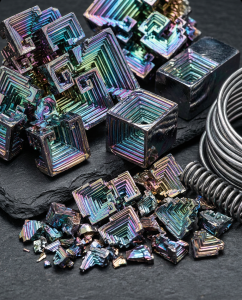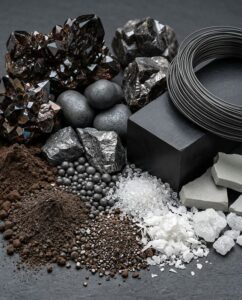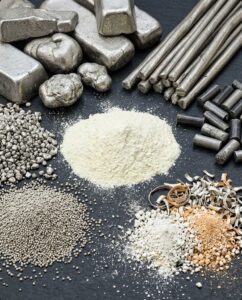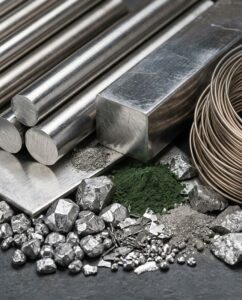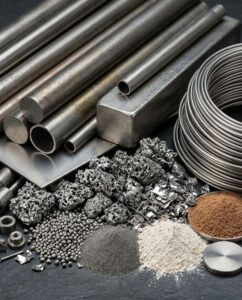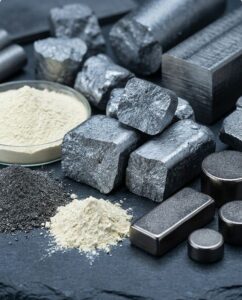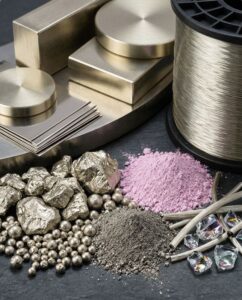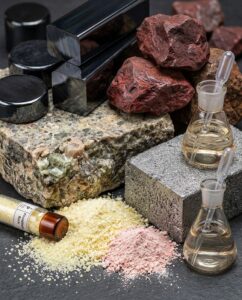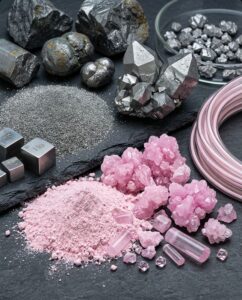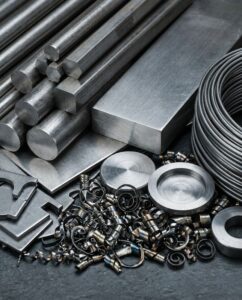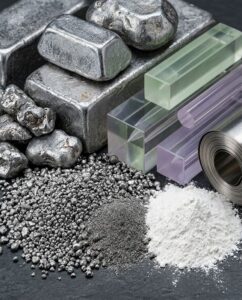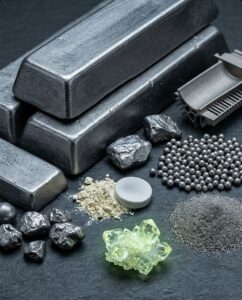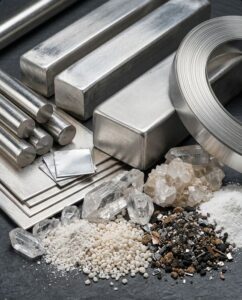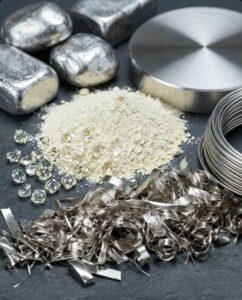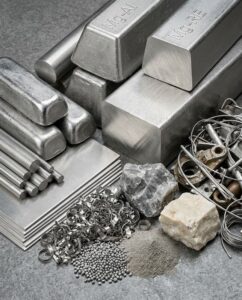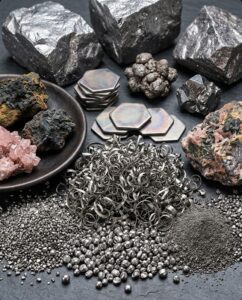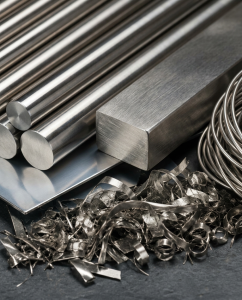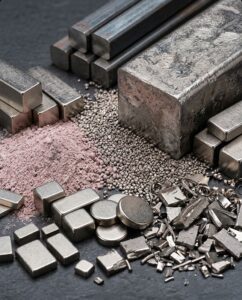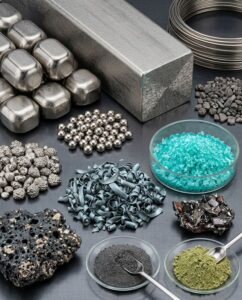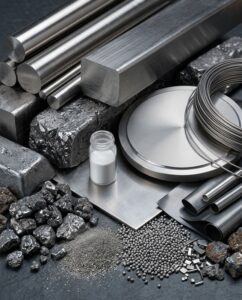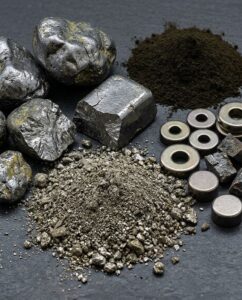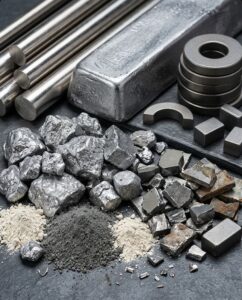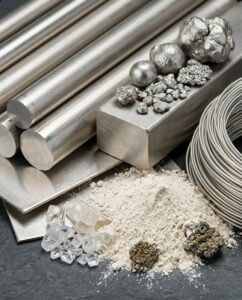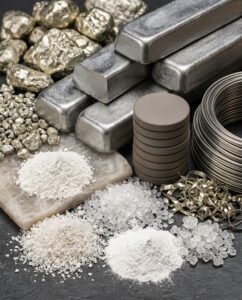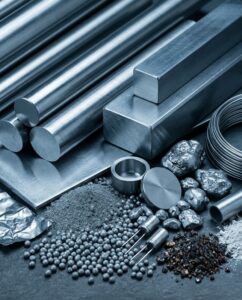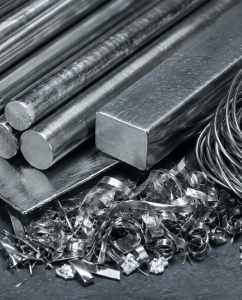


Just a few years ago, few people outside the metallurgical or automotive industries gave much thought to what it actually is cobalt. Today, this unassuming metal is at the centre of the global economic arena. Countries are devising strategies for raw material security, corporations are signing long-term contracts, and the European Union is introducing further regulations designed to ensure access to critical metals. All the signs suggest that we are witnessing the dawn of a new era, in which economic advantage will be determined not only by technology, but above all by access to raw materials.
The cobalt market is a prime example of how rapidly the realities of the global economy can change. In 2022, prices reached historic highs, driven by the rapid growth of electromobility. Shortly afterwards, there was an equally spectacular slump, triggered by a massive increase in production in the Democratic Republic of the Congo and Indonesia. Many observers concluded at the time that the issue of cobalt availability had been resolved.
Nothing could be further from the truth.
All it took was a single decision by the government of the Democratic Republic of the Congo to restrict exports for the market to realise once again just how dependent it is on a single region of the world. It is there that over 70% of global production takes place. If a single country is capable of altering the situation on the global market within a matter of months, it is difficult to speak of a stable supply chain.
What is more, cobalt is a unique metal for another reason as well. Almost the entire global supply does not come from mines that extract cobalt exclusively. It is a by-product of mining copper and nickel. This means that even if cobalt prices rise sharply, production cannot be increased quickly. It all depends on investment in entirely different sectors of the mining industry.
At the same time, the world is not slowing down. Electric cars, energy storage, aviation, the chemical industry and the production of modern metal alloys will continue to require cobalt. Admittedly, batteries using smaller amounts of cobalt are appearing, but a complete move away from this element remains a distant prospect.
Europe is well aware of this. That is why, rather than focusing solely on imports, it is placing increasing emphasis on the recovery of raw materials. New regulations on batteries require cobalt recovery rates of up to 95%, and manufacturers will be obliged to trace the origin of the raw materials they use. This means one thing – cobalt-containing materials are no longer considered waste. They are becoming a valuable strategic resource.

Paradoxically, Poland, too, has potential that it has yet to exploit. A technology for recovering cobalt from domestic copper ores was developed over twenty years ago. The project was never implemented on an industrial scale. Today, as Europe seeks its own sources of critical raw materials, the issue is resurfacing with renewed vigour.
This is precisely where there is scope for specialist companies involved in metal recycling and recovery. The future of the market will not belong solely to the largest mining conglomerates. Companies capable of efficiently recovering metals from industrial waste, end-of-life products or process materials will become increasingly important.
RMC Polska is consistently pursuing this approach.
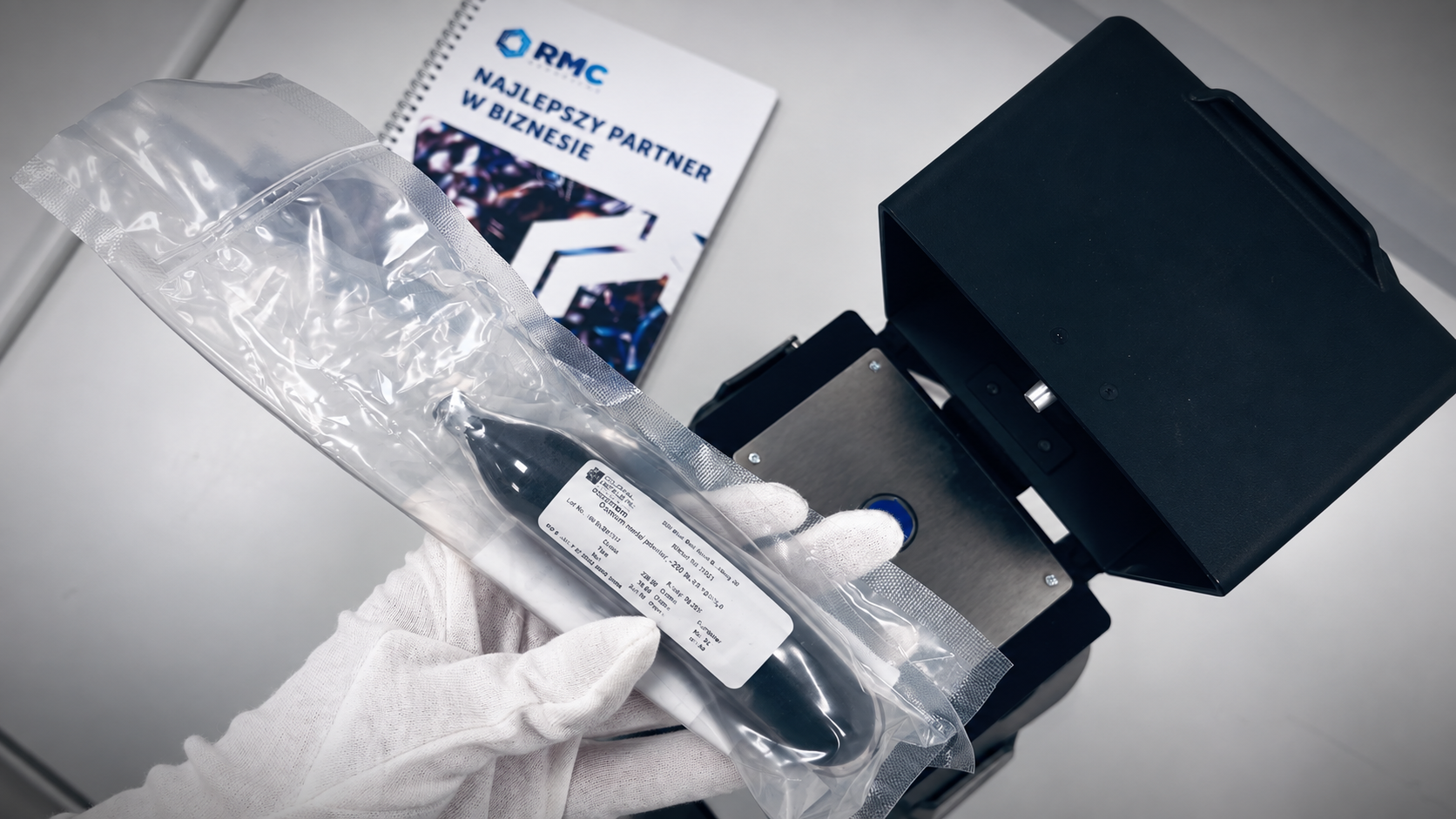
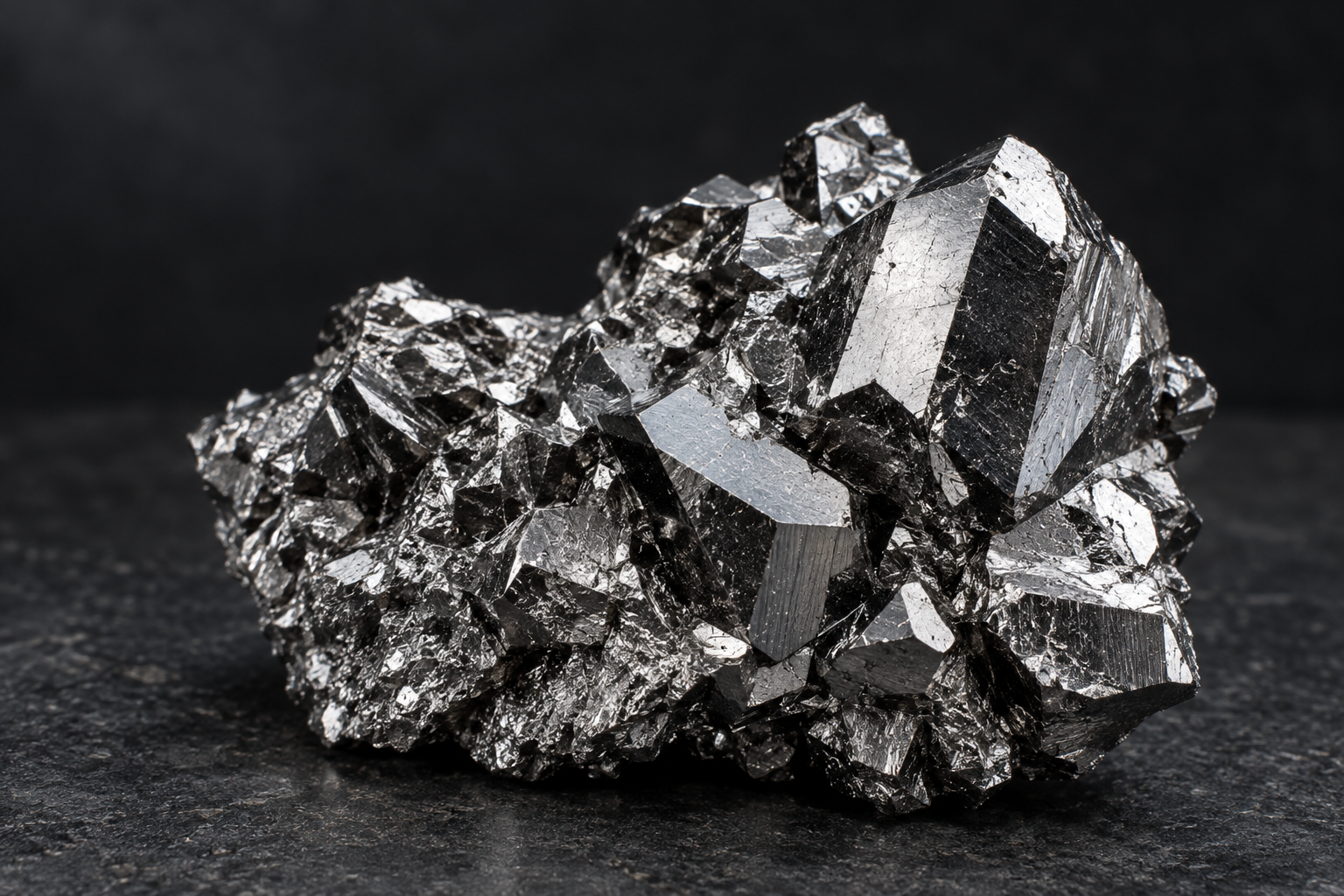
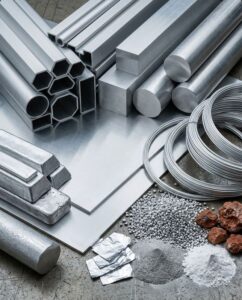
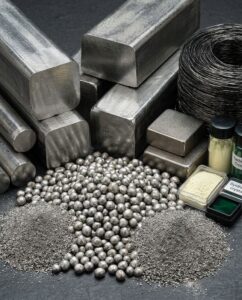
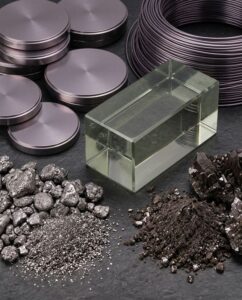
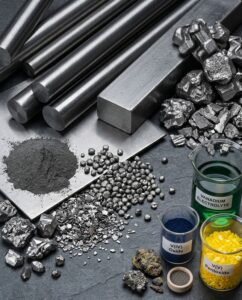
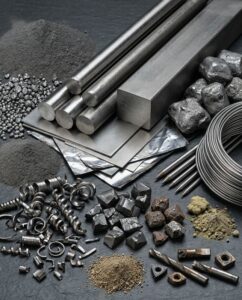
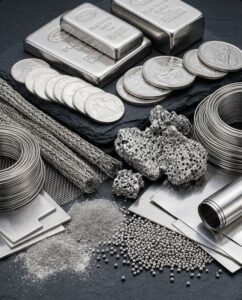
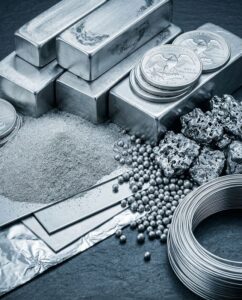
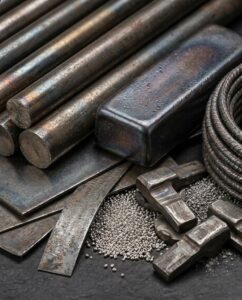
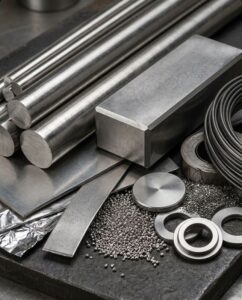
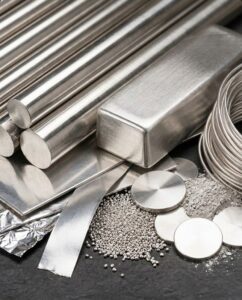
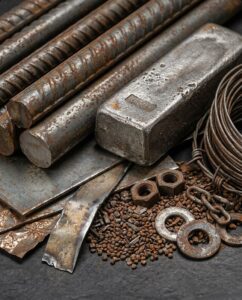
For many years, we have specialised in the trade in non-ferrous metals, critical metals and strategic raw materials. We purchase cobalt, cobalt oxides and materials containing this valuable element, providing professional analysis, valuation and further processing. At the same time, we sell cobalt and cobalt compounds to industrial customers both in Poland and abroad.
We believe that the future of European industry will be based not only on the extraction of new deposits, but above all on the intelligent use of resources that are already in circulation within the economy. Recycling critical metals is no longer an alternative – it is becoming a necessity.
Today, cobalt is much more than just another metal on the periodic table. It is a strategic raw material whose importance will grow as the energy transition progresses and modern technologies develop. Companies that are already able to manage it effectively are building a competitive advantage that will last for many years to come.
At RMC Polska, we are convinced that the coming decade will belong to companies that combine metallurgical expertise, modern recovery technologies and responsible management of raw materials. Cobalt is one of the pillars of this future – and we want to play an active part in shaping it.
YZ & RM July 2026