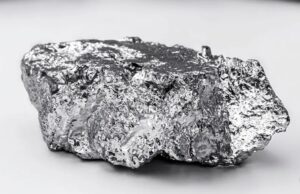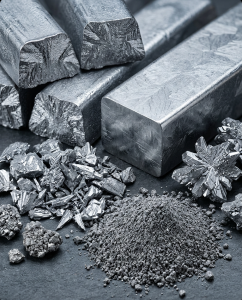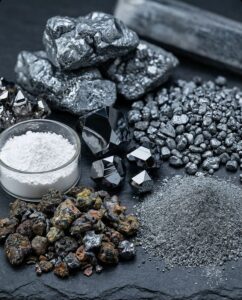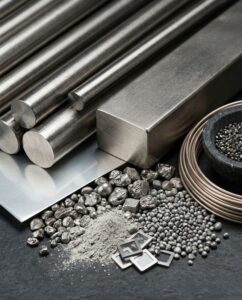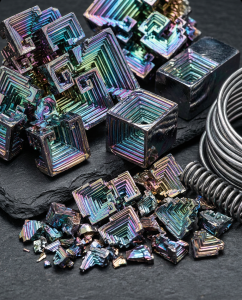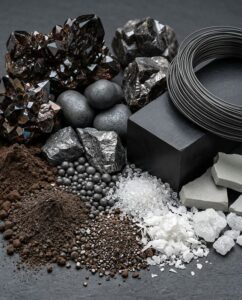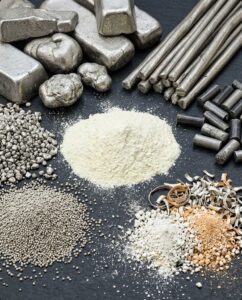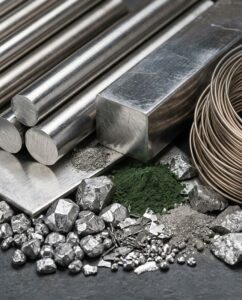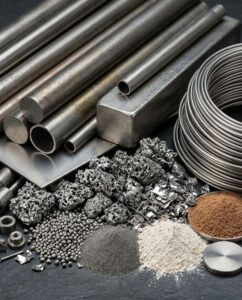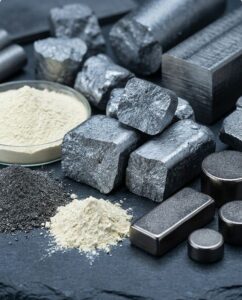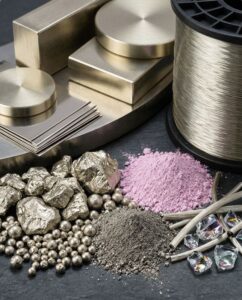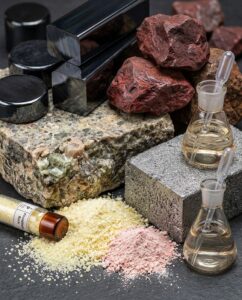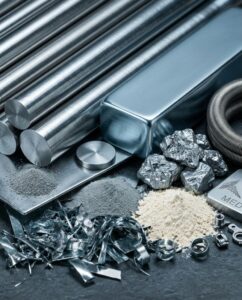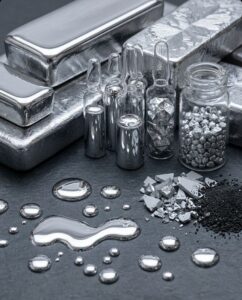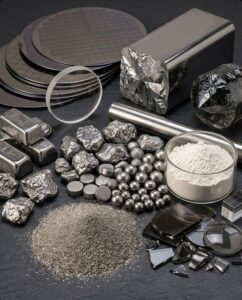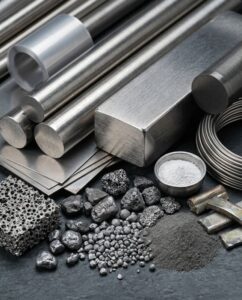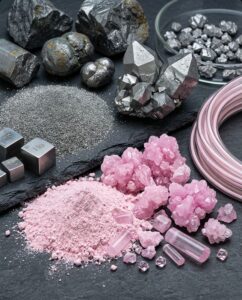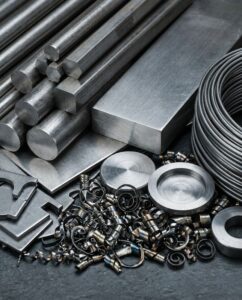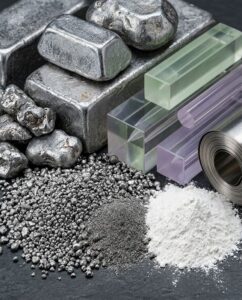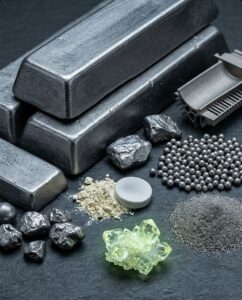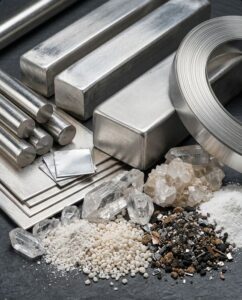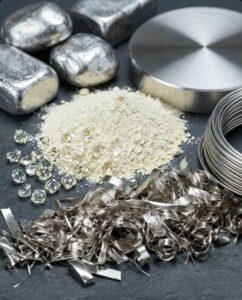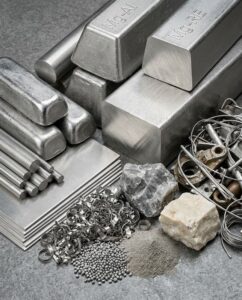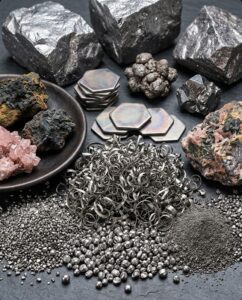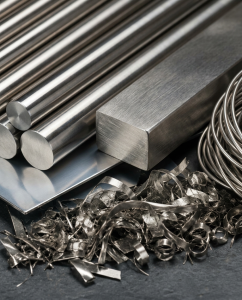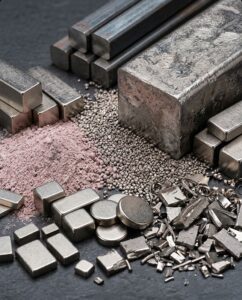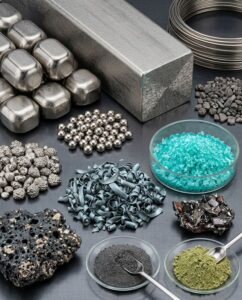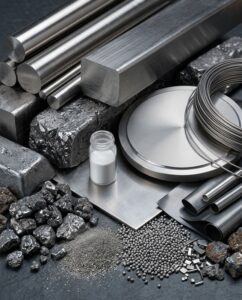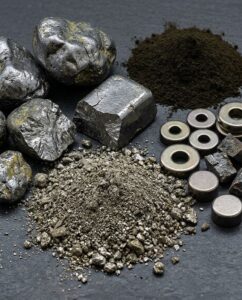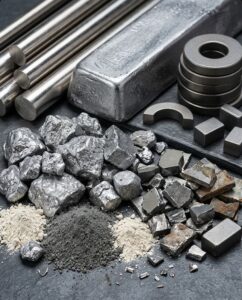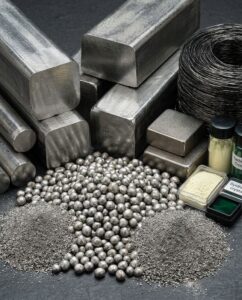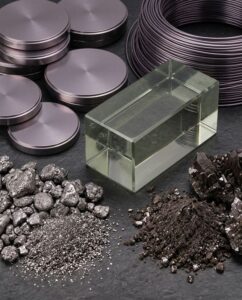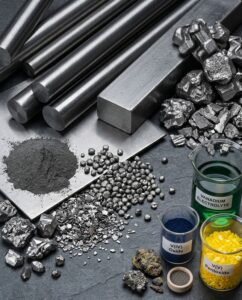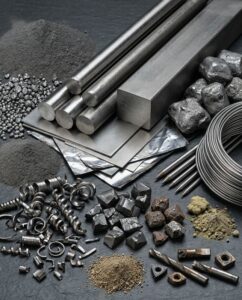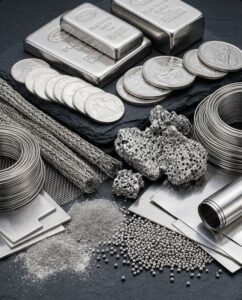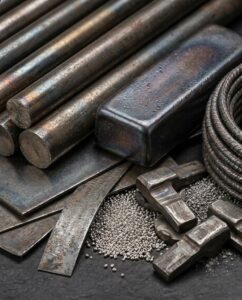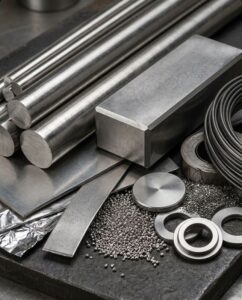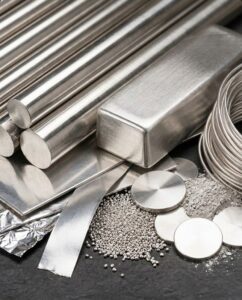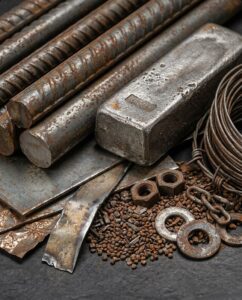


There are metals that everyone is familiar with. Gold is associated with wealth, silver with jewellery, copper with wiring, and platinum with luxury and car catalytic converters. Ruten Yet it remains almost anonymous. It does not feature in adverts or in everyday conversation. Even those who have been working with metals for years have not always had the opportunity to see it in its pure form.
And yet, without ruthenium, many modern technologies would not function as efficiently. It is a true power behind the scenes amongst platinum group metals – a metal that is unassuming, extremely rare and surprisingly important.
In industry, it is not usually visible and occurs in small quantities, but it performs tasks that much better-known metals are not always able to handle.
You can read about the properties of ruthenium in textbooks and specialist publications. It is very hard and resistant to abrasion, high temperatures and exposure to many aggressive chemicals. However, it is only through direct contact with this metal that one can truly understand what these terms mean.
At RMC, we were working with ruthenium sheet approximately 6 mm thick. We wanted to take a sample from it and cut it using a disc designed for acid-resistant steel. It seemed that, with the right equipment, this would be a straightforward technical operation.
Reality soon put those expectations to the test.
A single completely worn-out cutting disc only managed to make a cut about 2 mm deep. We also tried water jet cutting. Initially, this did not produce the expected result either. Ultimately, we managed to cut through the material, but the process took a very long time, and the quality of the resulting edge left much to be desired.
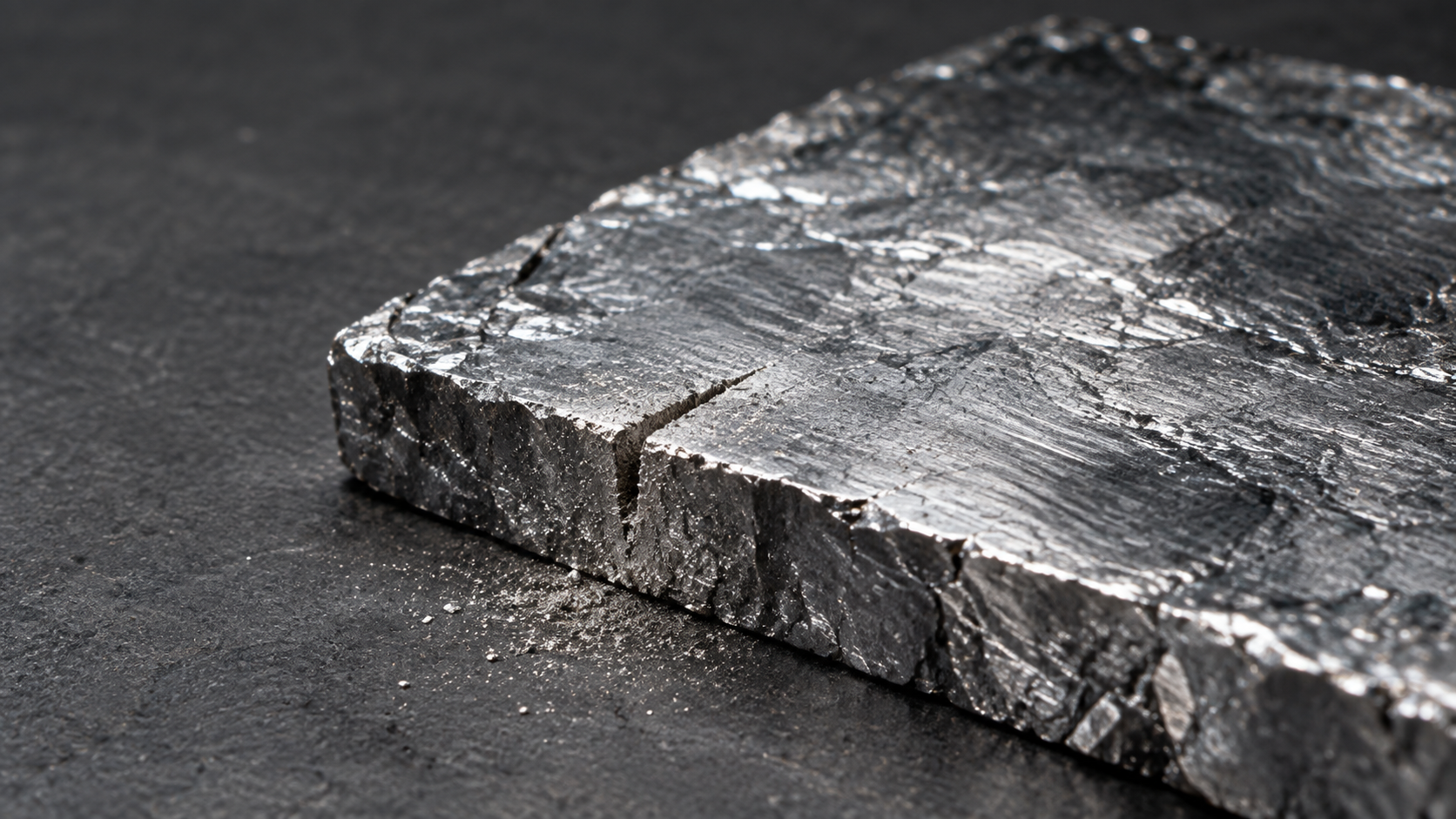
This experience really brought home to us just how unusual this material is. The specifications listed in the table are one thing. But seeing yet another worn-out cutting disc and a sheet of metal that has barely changed shape is a completely different lesson in materials science.
Ruthenium belongs to the platinum group, alongside platinum, palladium, rhodium, iridium and osmium. It is extremely rare in the Earth’s crust. It is most commonly obtained as a by-product of the mining and refining of other metals in this group.
It is rarely used in the form of large, solid components. It usually occurs as a thin coating, a component of an alloy, a catalyst or a small additive to improve the properties of another material. Sometimes, even a fraction of a per cent of ruthenium can significantly increase the hardness, wear resistance or stability of the entire alloy.
Ruthenium is used, amongst other things, in electronics, resistors, the semiconductor industry, electrodes, chemical catalysts and coatings applied using PVD and sputtering methods. It is also used in advanced alloys, hydrogen technologies, the energy sector and specialised industrial installations.
It operates in the background. There isn’t much of it, but without it, the device, coating or manufacturing process would not meet the required specifications.
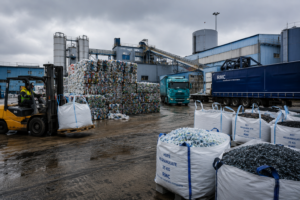
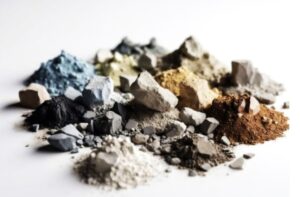
Ruthenium very rarely reaches a recycler in the form of a bar with a clearly marked composition. It is far more commonly concealed within a worn-out technical component, a coating, a target, an electrode, a catalyst, powder, sludge or production process residues. Material containing ruthenium may look like an ordinary piece of sheet metal or inconspicuous industrial waste. Its surface may be coated with another metal, soiled or oxidised. Sometimes, only thorough analysis reveals that we are dealing with a valuable material containing one of the rarest platinum group metals.
That is precisely why experience and accurate identification are so important in this industry. The biggest mistake would be to treat valuable material as mere scrap.
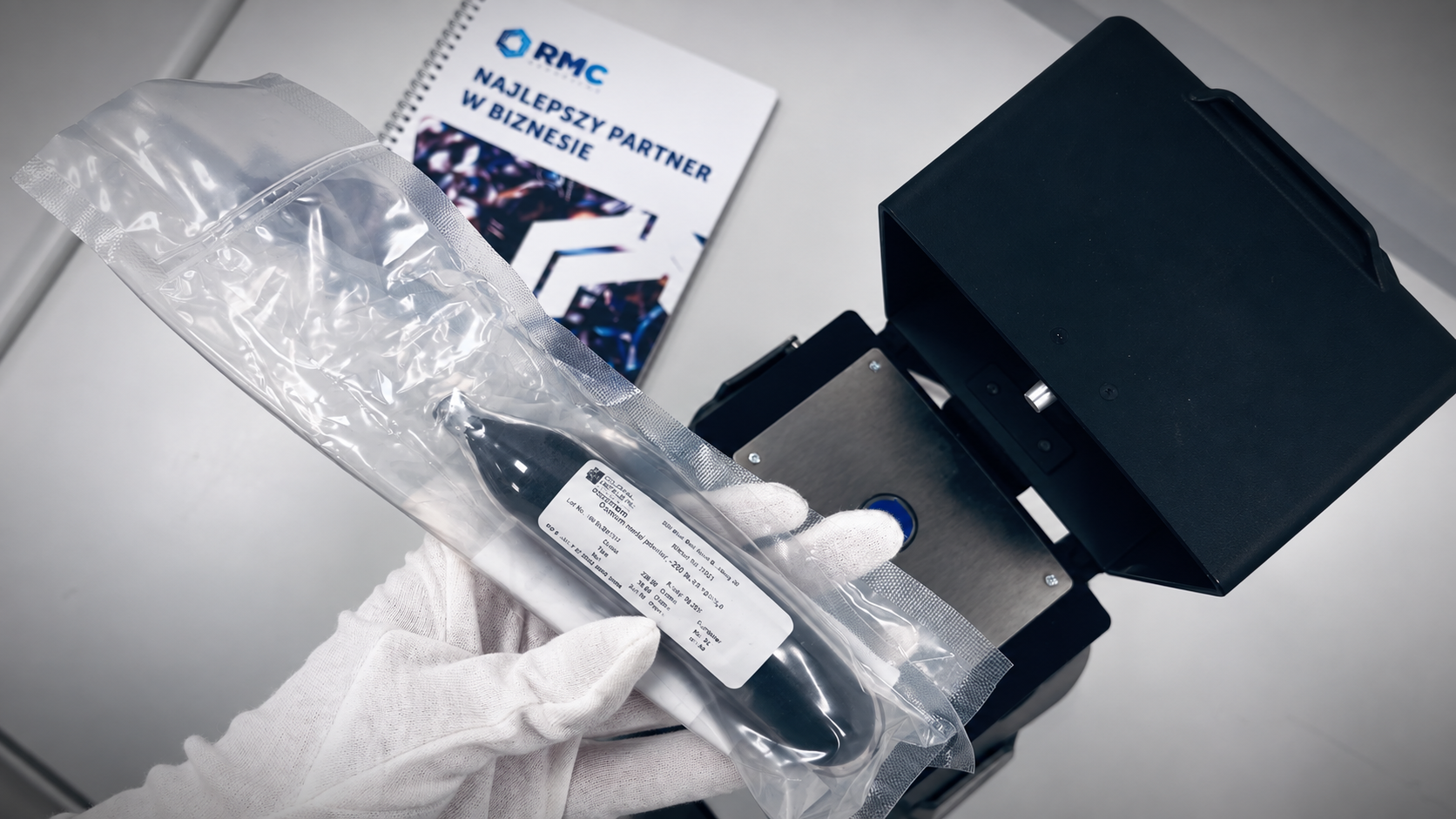
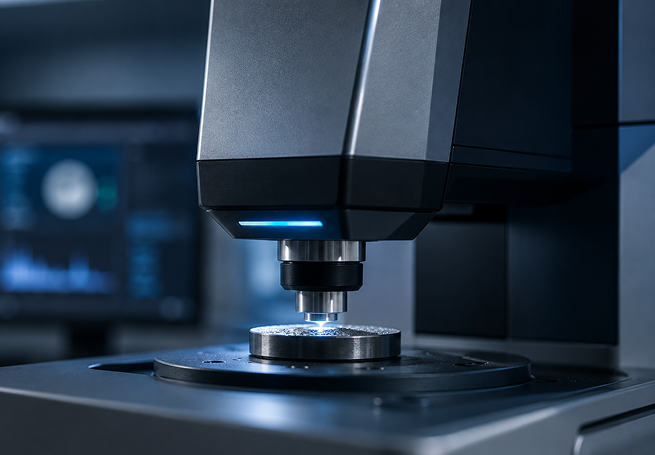
A handheld XRF spectrometer is an excellent tool for the rapid analysis of metals. However, it is not a device that relieves the operator of the need to think.
If ruthenium is present as a thin layer deposited on another substrate, the measurement result may primarily relate to the surface. If the material is non-homogeneous, a single reading may not be representative of the entire batch. Coatings, contamination, oxidation, the geometry of the sample and the calibration used are also significant factors.
That is why, when dealing with high-value and unusual materials, we do not base our assessment on a single measurement. We take a series of readings at various points, examine the cleaned surface or a cross-section of the material, and, where necessary, carry out additional laboratory analyses to determine mass, volume and density.
The spectrometer displays the result. It is only through knowledge and experience that one can interpret it correctly.
The recovery of ruthenium is considerably more complex than the processing of typical non-ferrous metal scrap. It is not enough simply to crush and remelt the material.
The process begins with taking a representative sample and determining the composition of the material. Next, a suitable method of preparation, separation and purification must be selected. It is not only the ruthenium content that is important, but also the presence of other platinum group metals and metals forming the substrate or coating.
Refining requires specialist knowledge, suitable facilities and a very rigorous approach to safety. Under unsuitable conditions, ruthenium can form volatile and highly toxic ruthenium tetroxide, RuO₄. It is therefore not a metal that should be experimented with without the appropriate technological facilities.
The journey from unremarkable waste to pure ruthenium can be long and demanding. With the right analysis and technology, however, it is possible to recover this metal, whose importance to modern industry is constantly growing.
The story of ruthenium illustrates well how modern recycling is changing. Increasingly, it is no longer just about tonnes of steel, aluminium or copper. Sometimes the greatest value lies in a thin coating, a small component or a few kilograms of material that almost no one can correctly identify. Ruthenium does not stand out in terms of appearance. It lacks the characteristic colour of gold or the recognisability of copper. It only reveals its true nature upon examination – or when we try to cut through a six-millimetre sheet of metal and, having used up an entire cutting disc, discover that we have only penetrated the material by 2 mm.
It is then easy to understand why such a small amount of ruthenium can alter the properties of an alloy or coating so significantly.
RMC Polska purchases metallic ruthenium and materials containing Ru, including industrial components, sheet metal, alloys, targets, electrodes, catalysts, powders, slurries and production residues.
We have analytical facilities that enable us to identify materials and carry out a preliminary assessment of their composition. We consider each case individually, as the actual value is determined not only by the spectrometer’s readings, but also by the form of the material, its homogeneity, accompanying elements and the potential yield from the refining process.
If you have ruthenium, other platinum group metals or rare metals, please get in touch with us. We will help you identify and value them, and we may also make you an offer to purchase them.
RM 19 September 2026