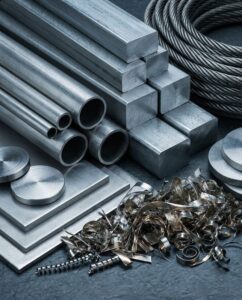


Manganese steel – what do you need to know?
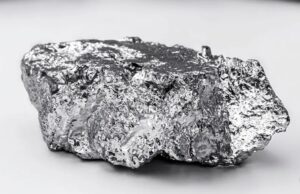
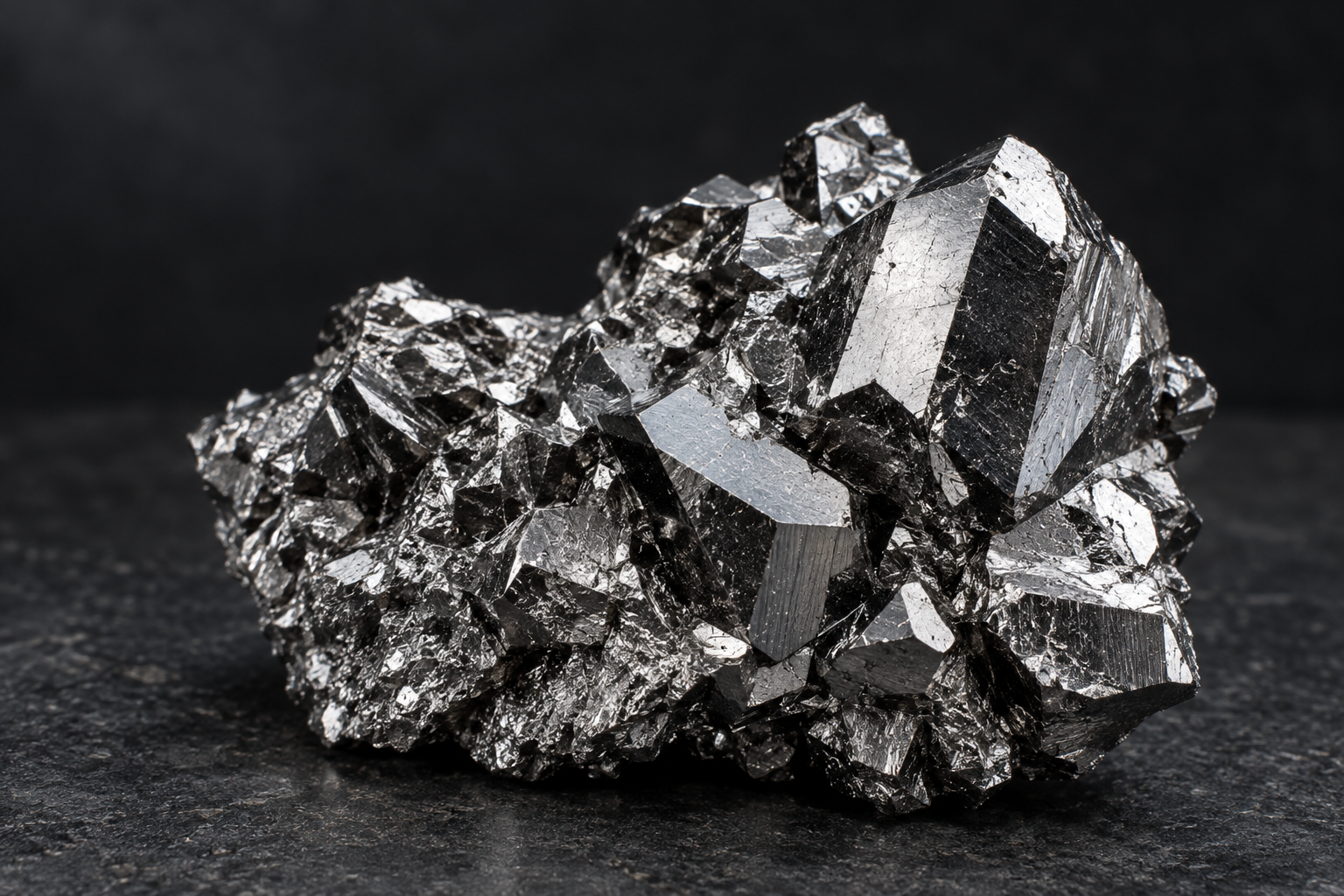
Manganese steel, also known as Hadfield steel, is a type of alloy steel that contains significant amounts of manganese (usually between 11% and 14%). This steel is named after the British scientist Sir Robert Hadfield, who pioneered research into this type of steel in the 19th century.
The main purpose of adding manganese to steel is to increase its strength and resistance to wear and abrasion. Manganese steel is characterised by excellent hardness and an exceptional ability to deform plastically under impact or pressure. This makes it an ideal material for the production of components subject to heavy loads, such as plates and machine parts.
Manganese steel also has the ability to work-harden, which means that it becomes harder and more durable during plastic deformation, for example during forging or rolling processes. This is a highly desirable characteristic for components that will be subjected to harsh operating conditions.
Manganese steel is used in various industrial sectors, such as:
The mining industry: Owing to its strength and wear resistance, manganese steel is used in the manufacture of tools and machine parts for the mining and mineral processing industries, such as hammers and mill liners, balls for ball mills, and chutes for discharging ore.
The metallurgical industry: Manganese steel is used in the manufacture of furnaces, presses and machine components in metallurgical plants (e.g. linings in baling presses and press shears).
The aggregates industry: Its strength and wear resistance make manganese steel an excellent choice for the manufacture of crushing and screening components in crushing and screening plants.
Engineering industry: Manganese steel is used in the manufacture of machine components such as gears, bearings, rolling mills and many others.
The construction industry: In certain applications, manganese steel can be used to manufacture structural components that require high strength and wear resistance.
Manganese steel is also frequently used in the manufacture of tracks, i.e. the undercarriage of vehicles such as tanks, bulldozers and heavy construction machinery. Tracks are a key component of these vehicles, enabling them to move across a variety of terrains, including difficult, marshy, rocky or snow-covered conditions.
Although manganese steel has many advantages, it also has certain limitations, such as a tendency to be difficult to weld and heat-treat. However, its mechanical properties and strength make it a valuable material in many critical industrial applications.
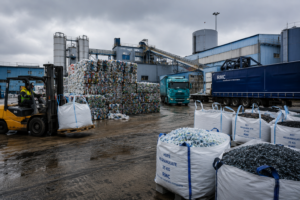
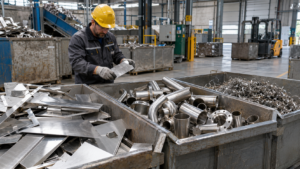
Did you know that RMC Polska is one of the largest brokers in the trade of manganese steel scrap (also known as Hadfield steel) in Poland?
Manganese steel, also known as Hadfield steel, is a type of alloy steel that contains significant amounts of manganese (usually between 11% and 14%). This steel is named after the British scientist Sir Robert Hadfield, who pioneered research into this type of steel in the 19th century.
The main purpose of adding manganese to steel is to increase its strength and resistance to wear and abrasion. Manganese steel is characterised by excellent hardness and an exceptional ability to deform plastically under impact or pressure. This makes it an ideal material for the production of components subject to heavy loads, such as plates and machine parts.
Manganese steel also has the ability to work-harden, which means that it becomes harder and more durable during plastic deformation, for example during forging or rolling processes. This is a highly desirable characteristic for components that will be subjected to harsh operating conditions.

Where can we find manganese steel:
- The metallurgical industry: Manganese steel It is used in the manufacture of furnaces, presses and machine components in metallurgical plants (e.g. linings in packing machines and press shears).
- Aggregates industry: Its strength and wear resistance make manganese steel an excellent choice for the manufacture of crushing and screening components in crushing and screening plants.
- Engineering industry: Manganese steel is used in the manufacture of machine components such as gears, bearings, rolling mills and many others.
- Construction industry: In certain applications, manganese steel can be used to manufacture structural components that require high strength and wear resistance.
- Manganese steel is also frequently used in the manufacture of tracks, i.e. the undercarriage of vehicles such as tanks, bulldozers and heavy construction machinery. Tracks are a key component of these vehicles, enabling them to move across a variety of terrains, including difficult, marshy, rocky or snow-covered conditions.
If you have manganese steel, please contact us.
#ManganeseSteelScrap #Recycling #RawMaterialsProcurement #Engineering