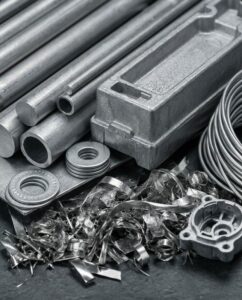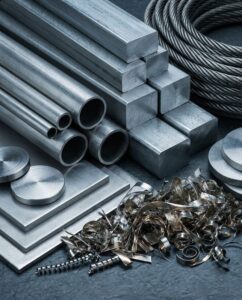


September is a month of hope on the scrap metal market. Everyone is counting on the fact that, following the summer holidays and production shutdowns, there will be plenty of scrap metal on the market and scrap prices will rise. Unfortunately, for several years now, the cycles that used to characterise the market aluminium are no longer in operation. What matters now is geopolitics, and in particular the instability in the markets caused by US tariffs, the high costs of transporting metals from Asia due to Houthi attacks, and, in Poland’s case, the exchange rate of the zloty.
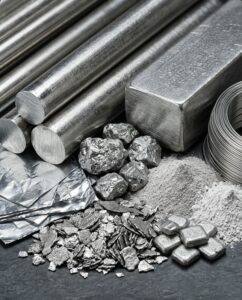
We traditionally divide the market analysis into two parts: „Premium” scrap – that is, clean materials such as profiles, clean post-production sheet metal, and aluminium ingots and wire; and scrap for the production of foundry alloys.
At this point, I would like to mention that, looking back at my past analyses of the aluminium market, most of my predictions have proved correct. I am not claiming that this will always be the case; nevertheless, my knowledge of what is happening in the market enables me to assess the situation accurately and predict trends for the coming weeks.
Analysis of the situation in the Premium Aluminium market.
In view of the situation in the finished products market, we are seeing an increasing number of problems faced by foundries purchasing premium aluminium scrap.
This is due to limited demand in the automotive and construction sectors, which are the main users of 1xxx, 3xxx, 5xxx and 6xxx series aluminium.
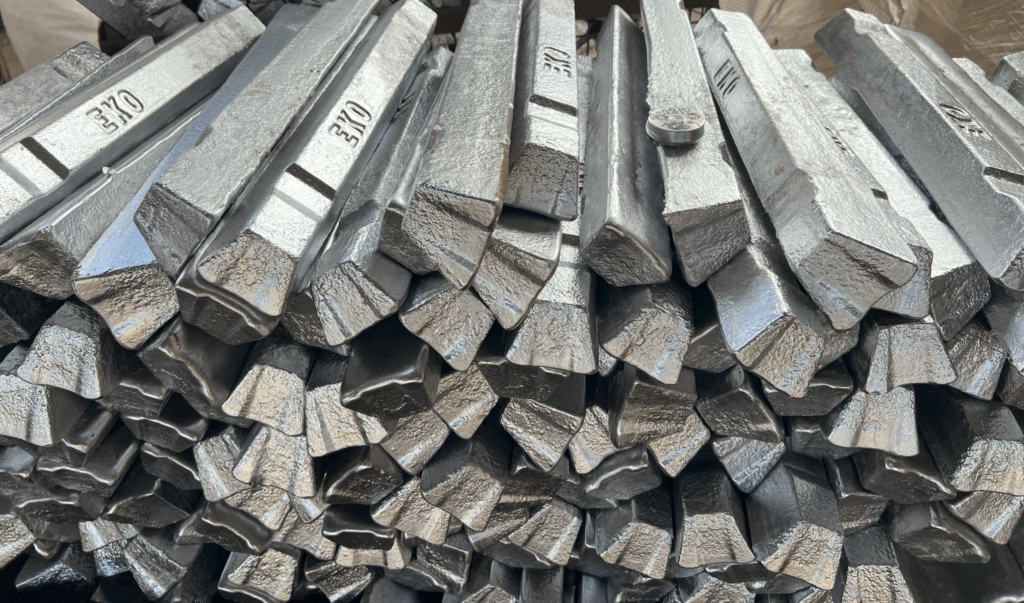
The only market where the situation is stable is the food industry, which most commonly uses 1xxx and 8xxx series aluminium.
Primary aluminium is also used in the production of these alloys; stocks of this at the port of Rotterdam are falling every month, and as a result, the price premium on LME. This premium has risen by 12% over the past month to 164.2$.
Reduced demand for products for the automotive and construction industries has caused a number of problems in the premium scrap market. Recently, one of Germany’s largest foundries producing flat products has suspended the acceptance of scrap; a foundry near Berlin specialising in the processing of 5xxx series aluminium has declared bankruptcy; whilst another foundry producing ingots for aluminium profiles is planning to suspend production.
The above examples illustrate the prevailing sentiment in the market. It is very difficult for foundries to make a profit from their operations due to a shortage of scrap metal, its high cost and fierce competition caused by a lack of demand on the European market.
In my view, the situation where the base price remains at a relatively low level, combined with foundries’ difficulties in generating a profit, will lead to a change in the levels of premiums and discounts on premium scrap. This will have a particular impact on scrap such as aluminium profiles, sections, wire, 1xxx series sheet metal, AlMg and others.
Scrap for the production of foundry alloys
On the scrap market for the production of foundry alloys, since August we have been observing price falls on the Polish market for scrap such as castings, plastic scrap, aluminium coolers, aluminium turnings, as well as all types of post-production aluminium scrap used in the production of alloys from the 46xxx and 47xxx series.
Only Felga has held up well and has not seen such significant declines, due to the high purity of the aluminium used in its manufacture.
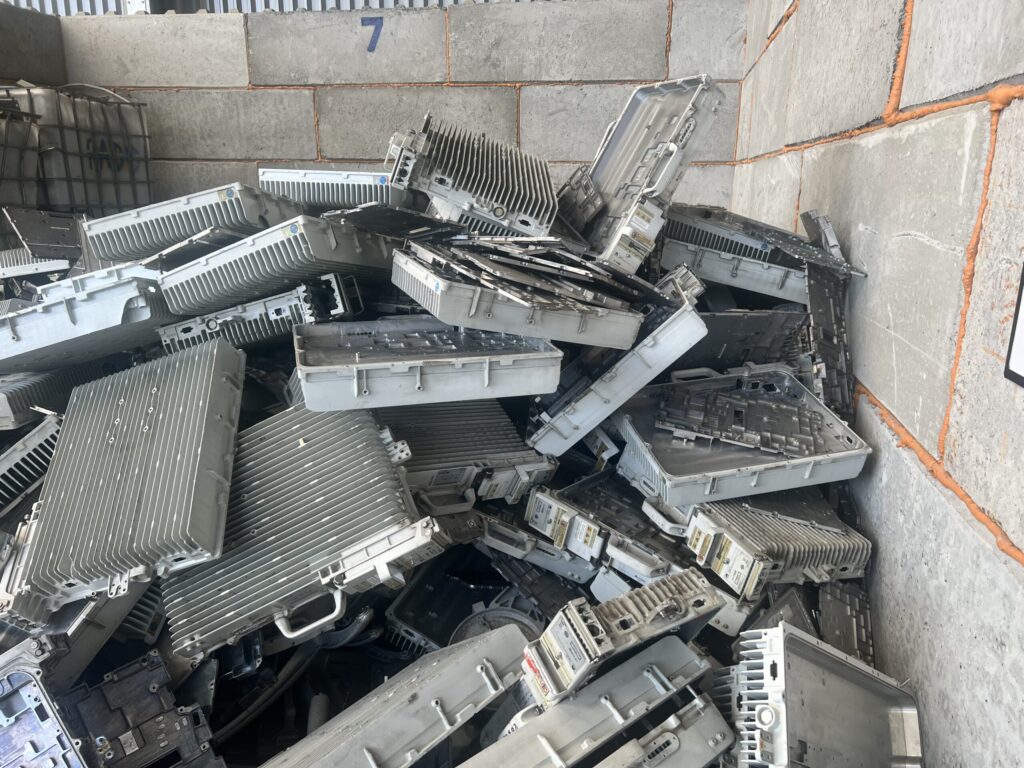
As with premium scrap, the reason for the fall in prices is a decline in demand in the automotive market. This is leading to an oversupply of aluminium scrap and, consequently, a fall in its price.
Looking at the situation in foundries specialising in the production of casting alloys, we can observe a recurring pattern. Most foundries have reduced production by 40%-60%, Some German foundries are planning to suspend production due to it being unprofitable; in August, Poland’s largest foundry alloy producer suspended the collection and purchase of scrap metal, whilst its Hungarian plant halted production entirely.
An analysis of the market demand for finished die-cast products also reveals a decline in production. Many companies have reduced production by 20–40% due to a lack of orders. There are also instances of the production of finished aluminium products being relocated to Asian countries such as China or India.
The above shows that the situation on the foundry alloys market is not looking particularly good at present. Low prices for aluminium ingots in base alloys will keep scrap prices at their current level, and should ingot prices fall further, we can expect scrap prices to fall further too.
To sum up: The market situation appears to be challenging; in the coming weeks, I expect supply issues and price reductions for premium scrap, whilst prices for scrap used in foundry alloys are likely to remain stable.
RM 20 September 2025