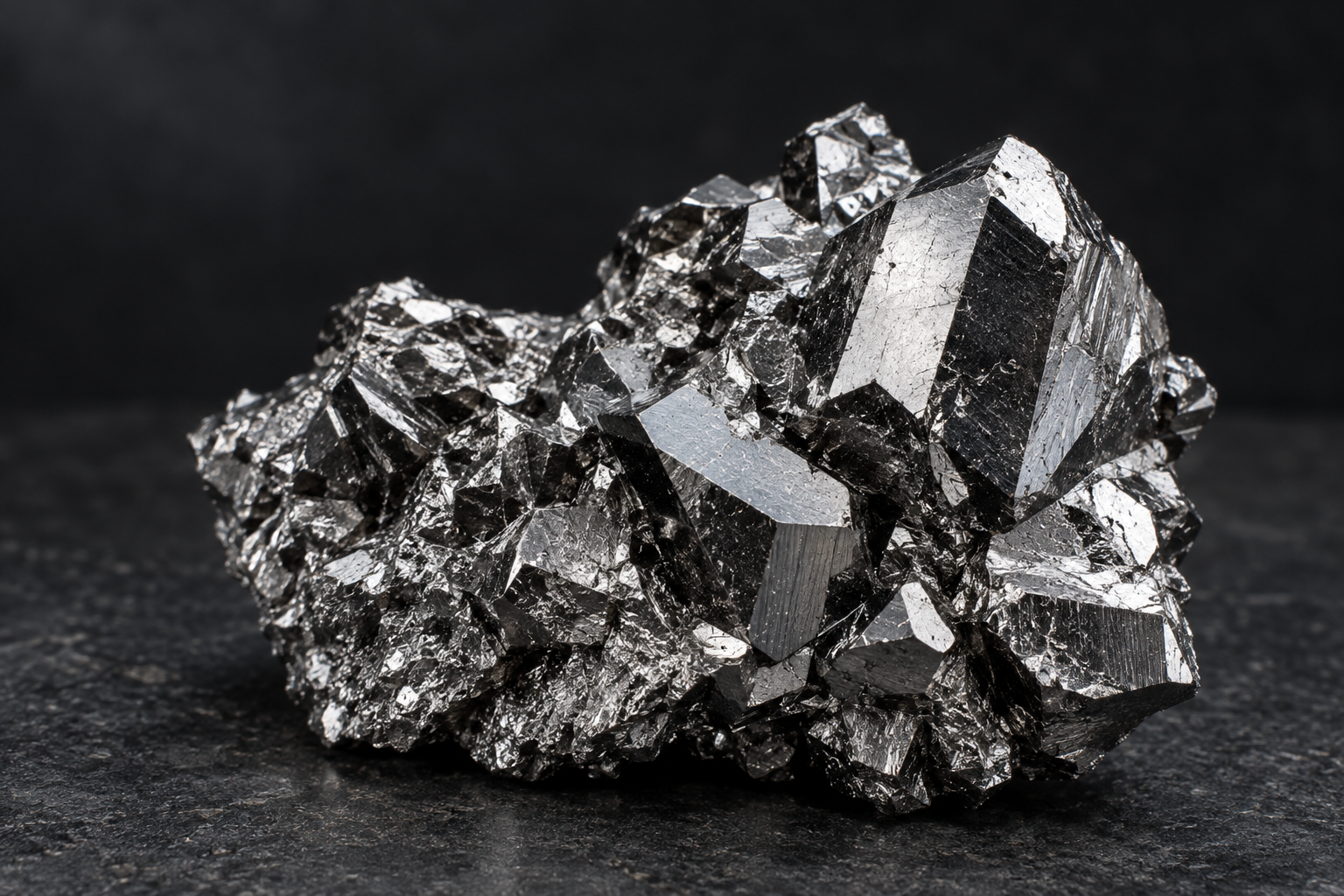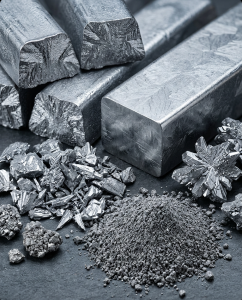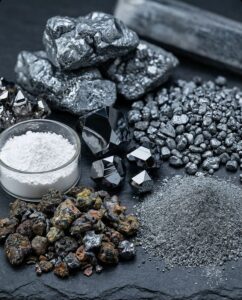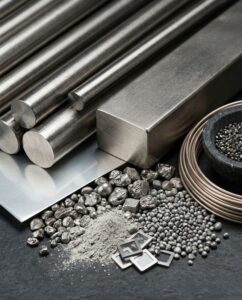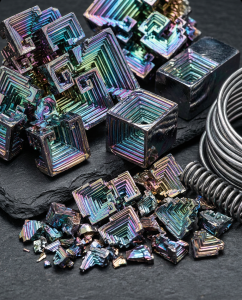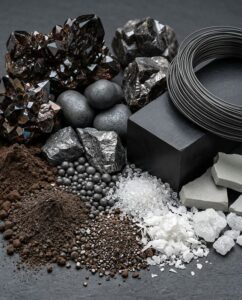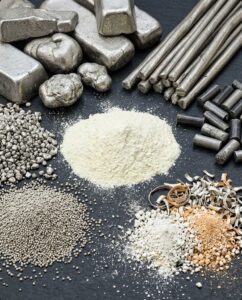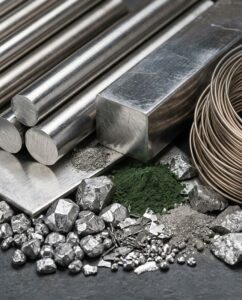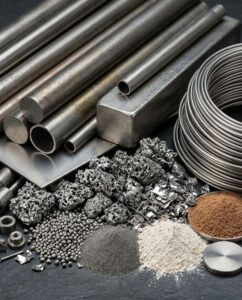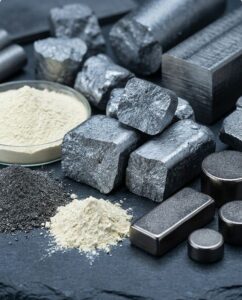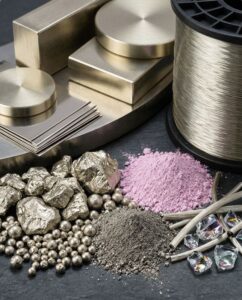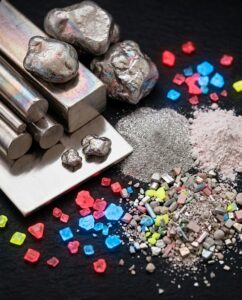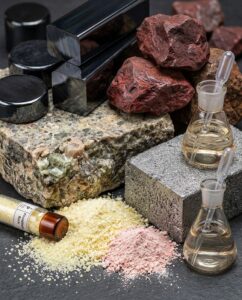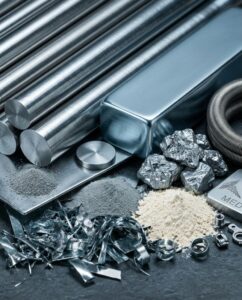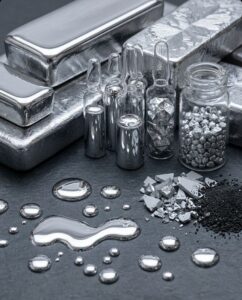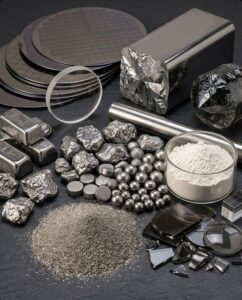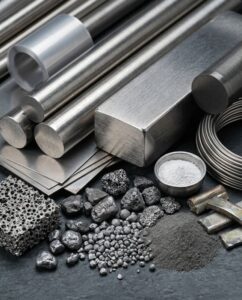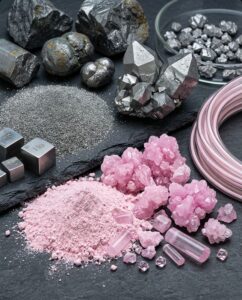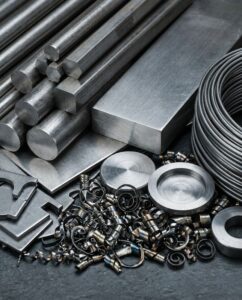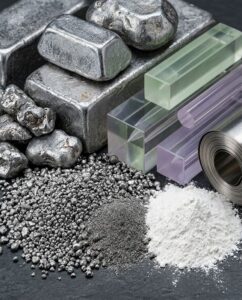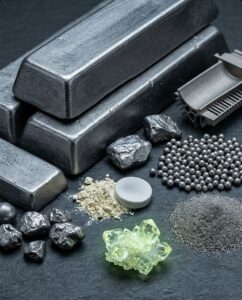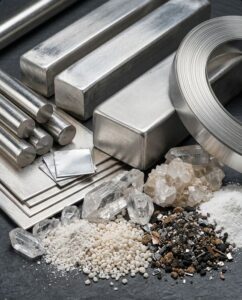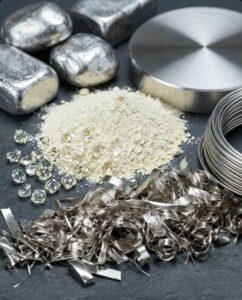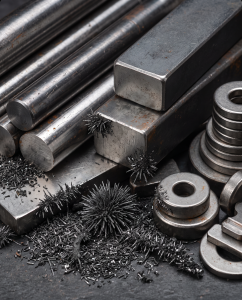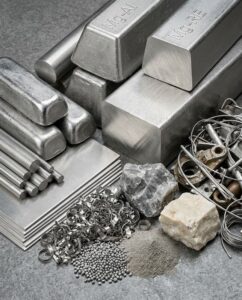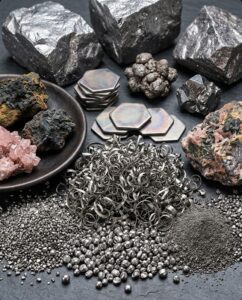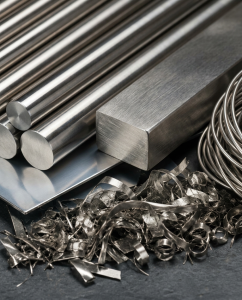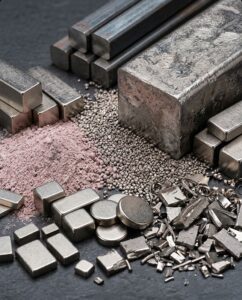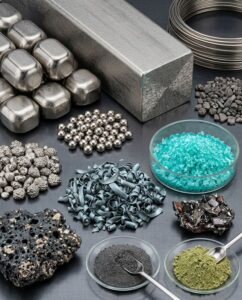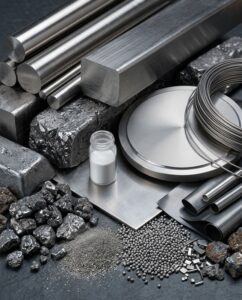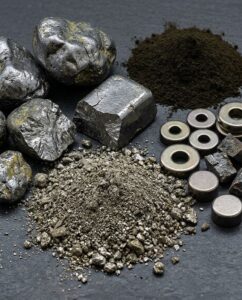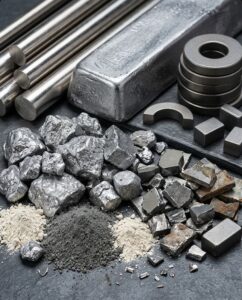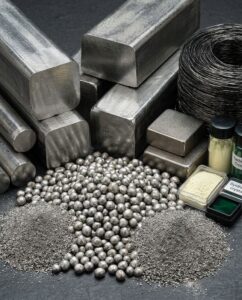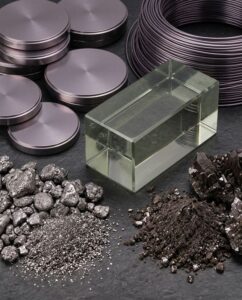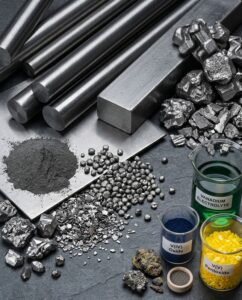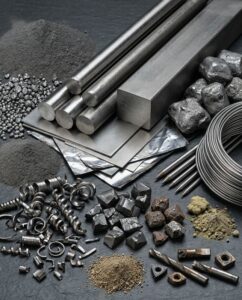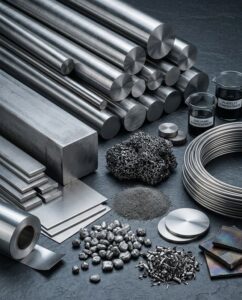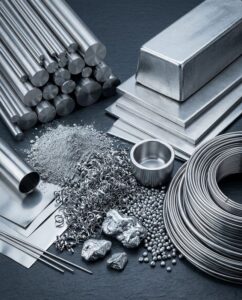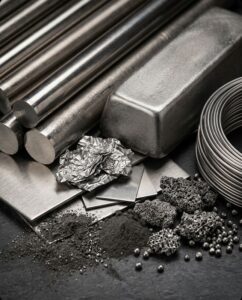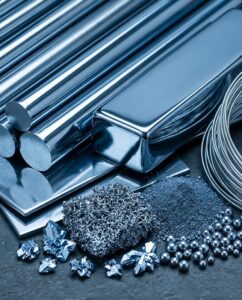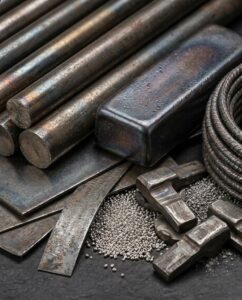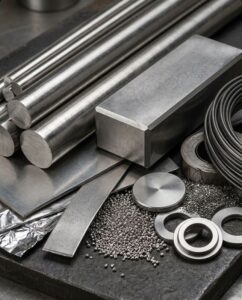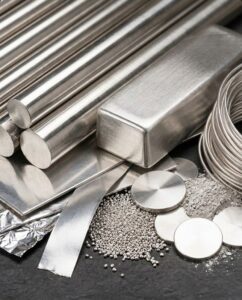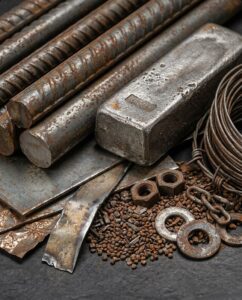


The modern digital economy, electromobility and the energy transition could not function without a group of elements which – although invisible to the end user – are a key component of the most advanced technologies. Rare earth elements (REE) are now recognised by the European Union and the world’s largest economies as critical raw materials, essential for the development of industry, the energy sector and technological security.
What are rare-earth metals?
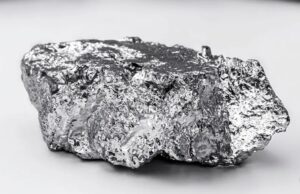
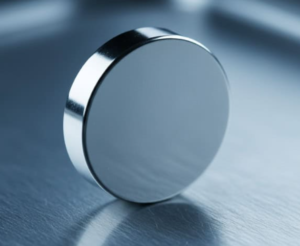
Rare-earth metals are a group of 17 chemical elements, comprising:
- scand (Sc),
- itr (Y),
- and 15 lanthanides (from lanthanum to lutetium).
Purchase rare-earth metals at attractive prices at RMC Polska.

Although the name suggests otherwise, these elements are not rare in the Earth’s crust. The problem is that they do not occur in the form of readily accessible, concentrated deposits. Consequently, the processes of extraction, separation and refining are technologically challenging, costly and require specialist know-how.
From a market perspective, rare-earth metals are categorised as follows:
- Light rare-earth elements (LREE) – including lanthanum, cerium, neodymium, praseodymium,
- Heavy rare-earth elements (HREE) – including dysprosium, terbium and yttrium, which are rarer and more expensive.
Key elements and their importance in industry
Not all REE are of equal industrial importance. The most important of these include:
- Neodymium (Nd) and praseodymium (Pr) – the basis of the strongest NdFeB permanent magnets, (neodymium purchasing)
- Dysprosium (Dy) and terbium (Tb) – additives that improve the temperature resistance of magnets (crucial for EV motors and wind turbines),
- Cerium (Ce) and lanthanum (La) – widely used in catalysts, optics and the chemical industry,
- Yttrium (Y) and europium (Eu) – key elements in lighting and display technologies (phosphors),
- Erb (Er) – essential in modern fibre-optic telecommunications.
Where are rare-earth metals used?
Electromobility and transport
The traction motors in electric and hybrid vehicles rely heavily on permanent magnets containing neodymium and praseodymium, often with the addition of dysprosium and terbium. Cerium oxide is used in catalytic converters, whilst older types of NiMH batteries utilised lanthanum alloys.
Renewable energy
Direct-drive wind turbines contain very large quantities of NdFeB magnets. In a single large turbine, the amount of rare-earth metals runs into hundreds of kilograms.
Electronics and IT
Smartphones, laptops and hard drives contain numerous components based on rare-earth elements (REEs):
- neodymium magnets in speakers and motors,
- NdFeB magnets in HDD discs – one of the most promising recycling streams,
- Yttrium-, europium- and terbium-based phosphors in displays and LED technology.

Telecommunications and Optics
Yttrium enables the amplification of signals in optical fibres, whilst lanthanum and cerium improve the properties of the optical glass used in advanced imaging systems.
Recycling and raw material security
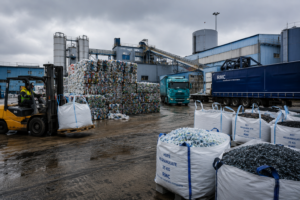
For years, the rare-earth metals market has been characterised by a high concentration of mining and processing, mainly in China. As a result, Europe and the US are placing ever greater emphasis on the recycling and recovery of rare earth elements (REE) – from end-of-life electronics, magnets, motors and industrial components.
Today, the recycling of rare-earth metals is not just a matter of environmental protection, but above all of securing a supply of raw materials and ensuring technological independence.
At RMC Polska – we actively purchase rare-earth metals
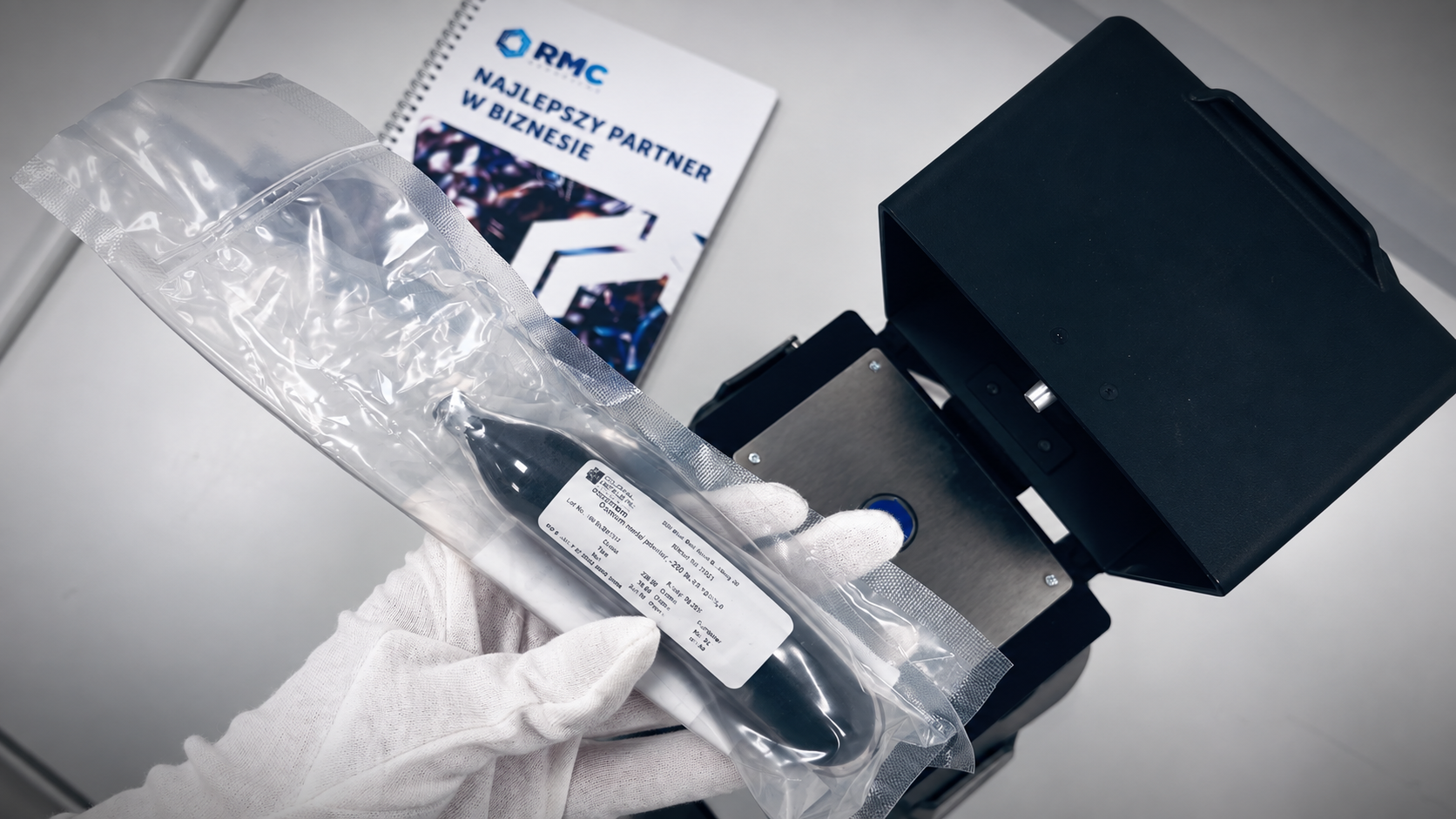
In response to the growing importance of critical raw materials RMC Poland It is actively involved in the procurement of rare-earth metals and materials and waste containing rare-earth elements.
We are interested in, amongst other things:
- neodymium magnets (NdFeB),
- electronic and IT components (e.g. hard drives),
- materials containing yttrium, neodymium, praseodymium, dysprosium, terbium, europium and other REE,
- concentrates, intermediate products and recycling streams.
We provide material analysis, reliable quotations and a partnership-based approach to collaboration, both in Poland and on European markets.
If you have any materials containing rare-earth metals, please contact us
RM 27 January 2026