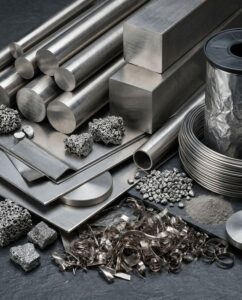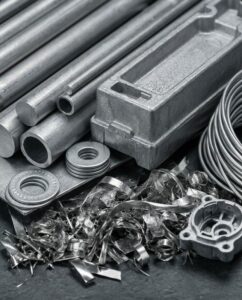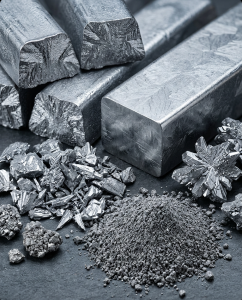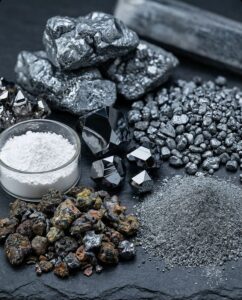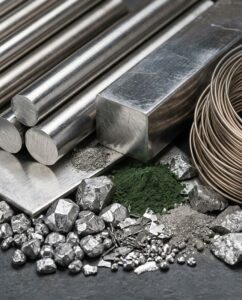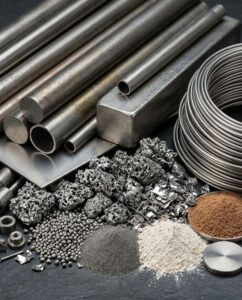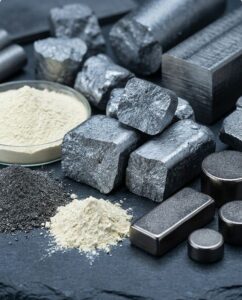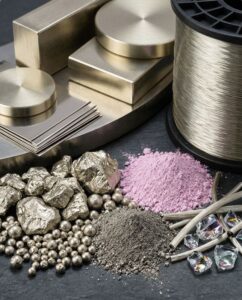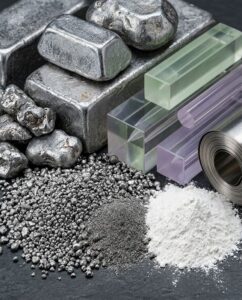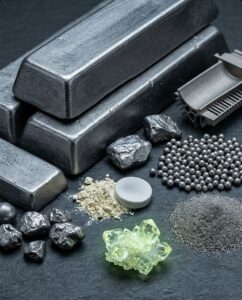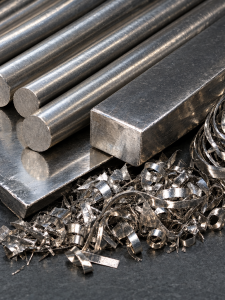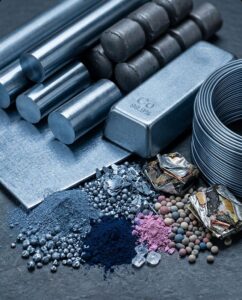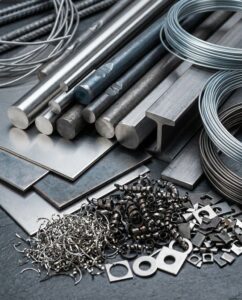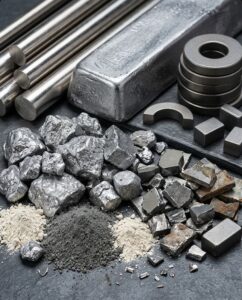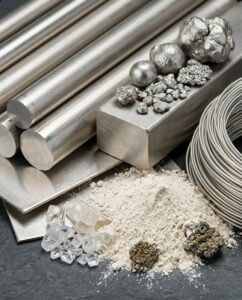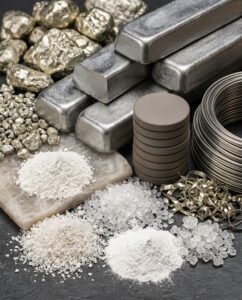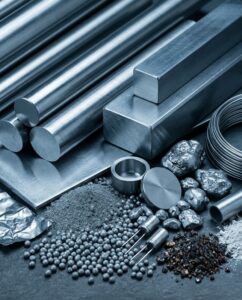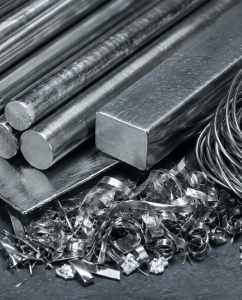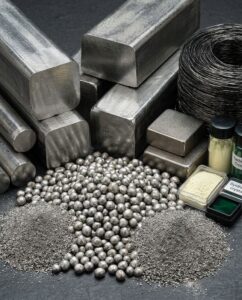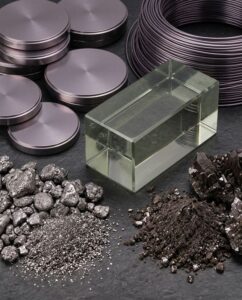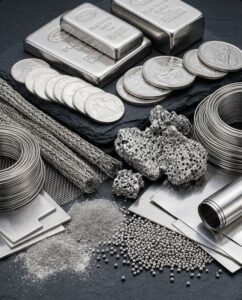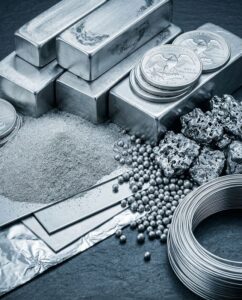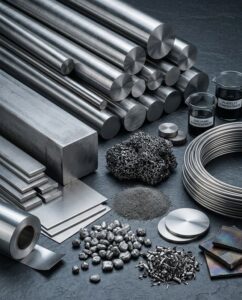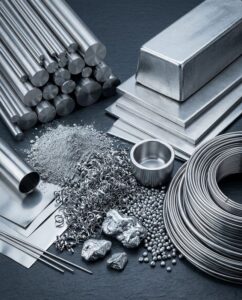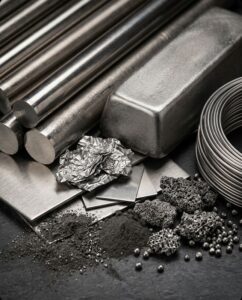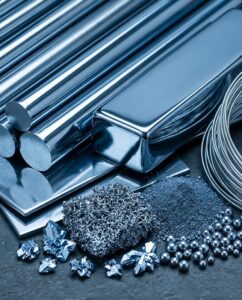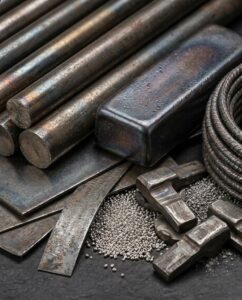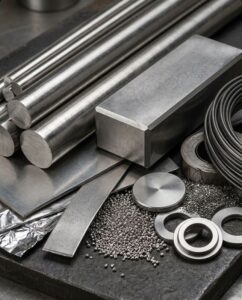


Thanks to its versatility, bronze remains one of the most valuable metals in the recycling industry. Its ability to be reprocessed with minimal loss of quality makes it not only a precious material, but also an environmentally friendly one. It is worth taking a closer look at the bronze scrap processing process to understand why recycling this metal is becoming increasingly important.
What is bronze and what is it used for?
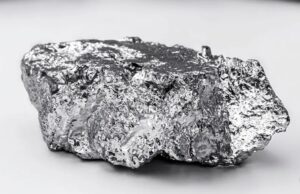
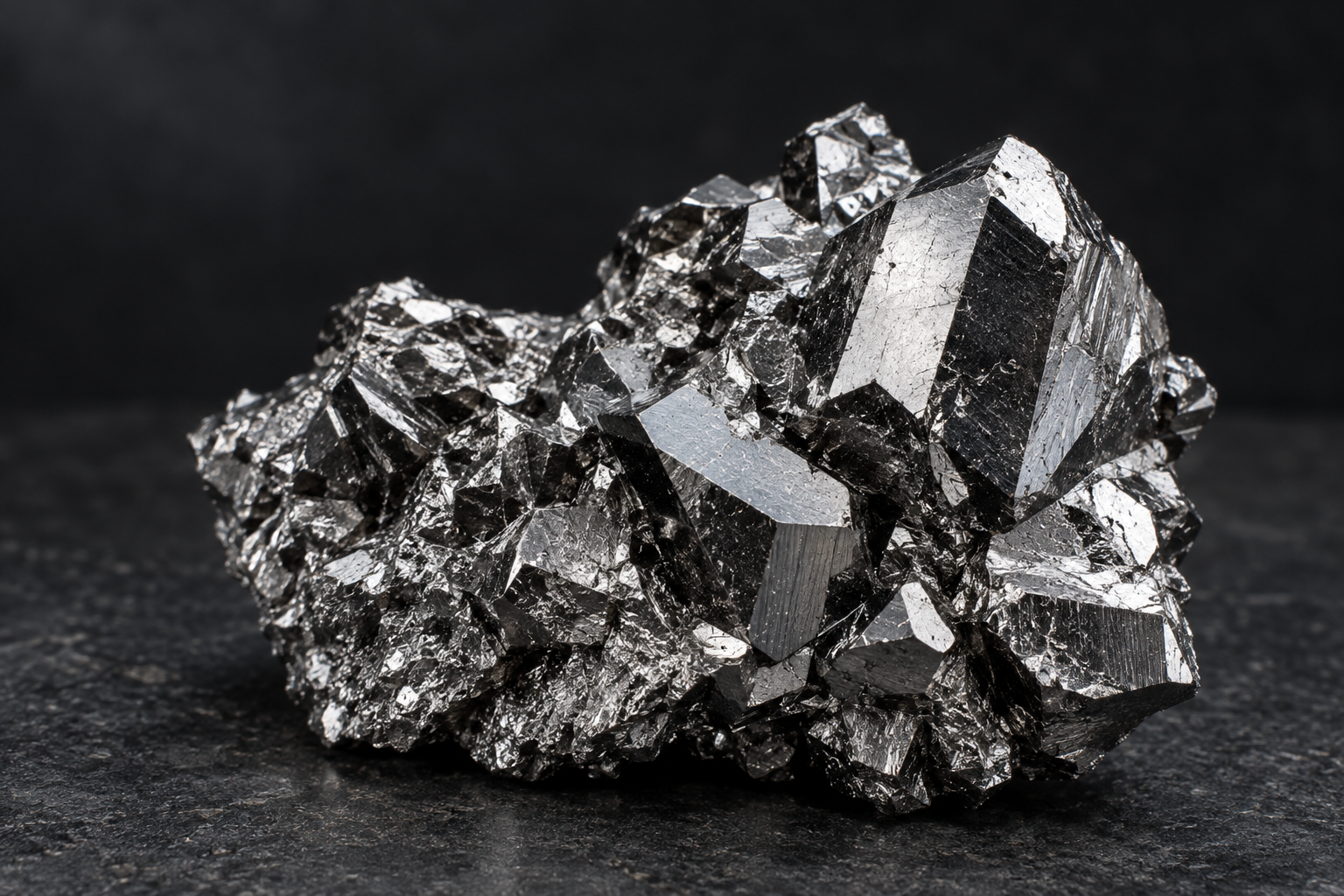
Bronze is an alloy of metals, primarily copper with added tin, sometimes enriched with other elements such as aluminium, nickel, phosphorus or zinc, which influence its properties and applications. Bronze is characterised by high strength, corrosion resistance and an attractive appearance. It is more durable than many other metals, which means it is widely used in the manufacture of various items.
Here are a few uses for bronze:
- The building and construction industry:
-
-
-
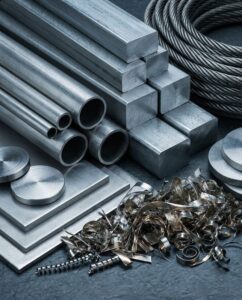
- Pipes: Bronze pipes are used in water and gas supply systems.
- Sheets and sections: Bronze is used in the manufacture of sheets, sections and structural components.
- The electrical and electronics industry:
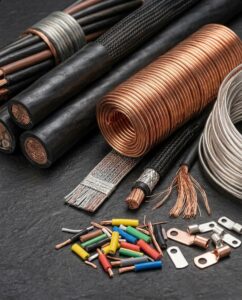
- Electrical cables: Brown wire is used in the manufacture of electrical cables.
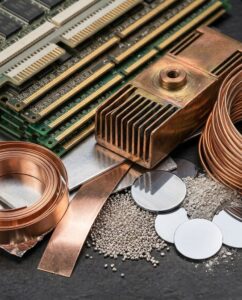
- Electronic components: Bronze can be used in the manufacture of electrical contacts and various electronic components.
- Maritime industry:
- Boats and ships: Bronze is used to manufacture various components in the shipbuilding industry, such as propellers, shafts and marine fittings. Its resistance to corrosion is particularly valuable in marine environments.
- The automotive industry:
- Car parts: Bronze can be used to manufacture various car parts, such as bushings, bearings and brake lines.
- Art and decorations:
- Sculptures: Because it is easy to work with, bronze is a popular material in artistic sculpture.
- Decorative elements: Brown decorative elements, such as lamps, wall lights and fittings, add a touch of elegance to interiors.
- Coins and medals:
- Coins: In the past, bronze was often used to make coins because of its durability and aesthetic appeal.
- Medals: These days, bronze is still used to make various medals, awards and honours.
- Musical instruments:
- Bells and chimes: Bronze is used in the manufacture of chimes and bells because of its sound-absorbing properties.
- Bearings and mechanical components:
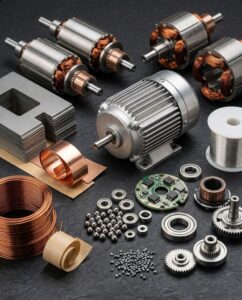
- Bearings and machine components: Bronze alloys are used in the manufacture of bearings and various mechanical components due to their durability and ability to operate in harsh conditions.
-
-
The bronze scrap recycling process
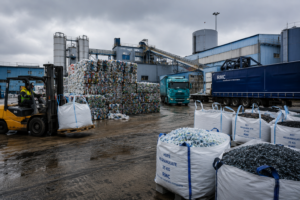
The recycling of bronze scrap is a complex process comprising several stages.
- Collection and sorting
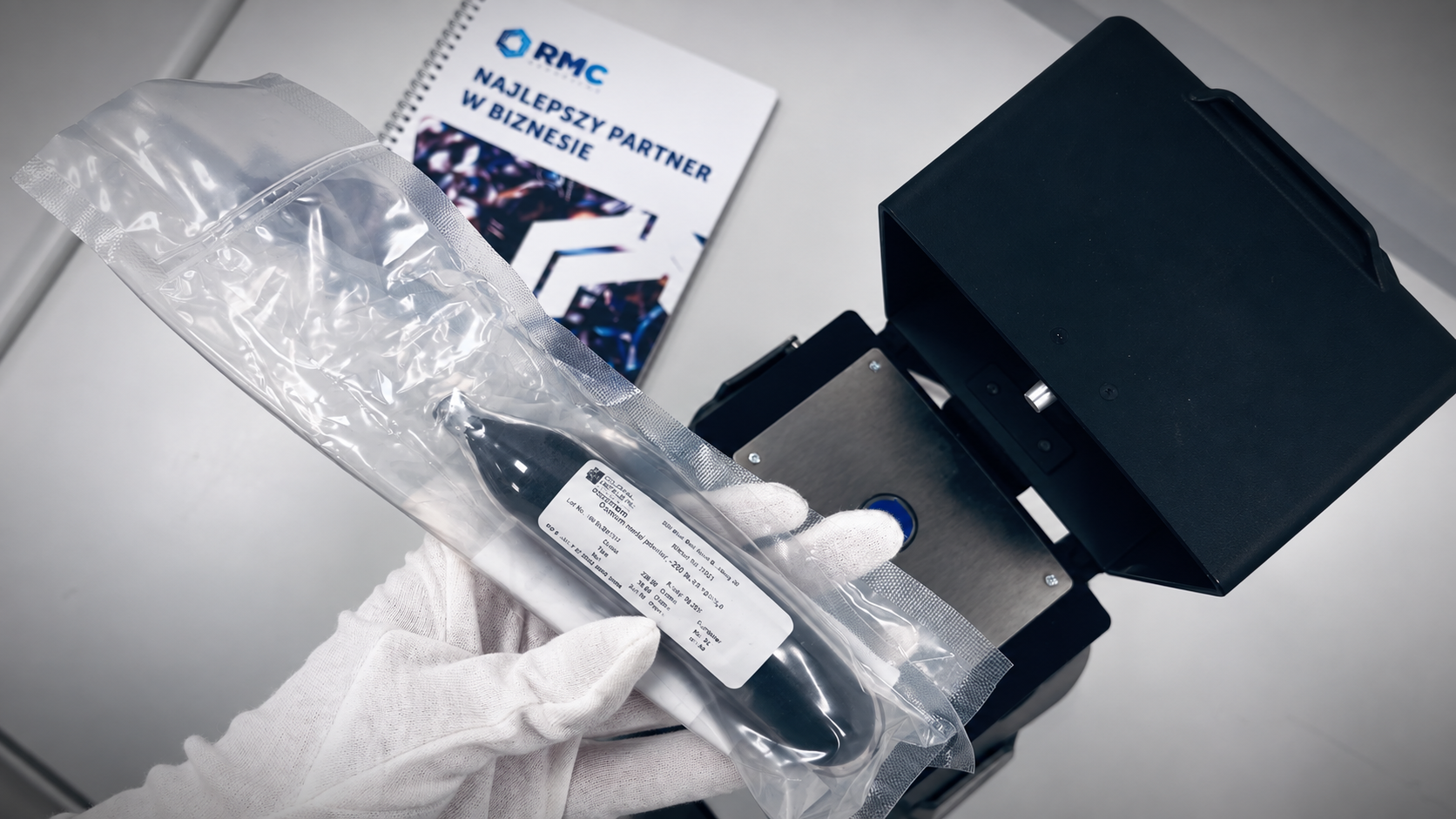
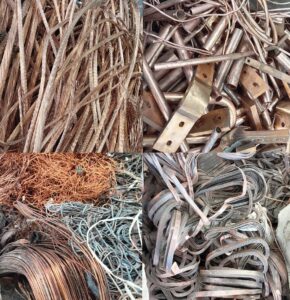
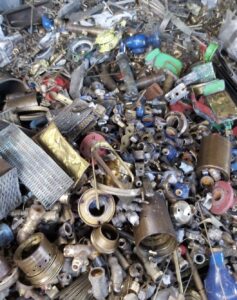
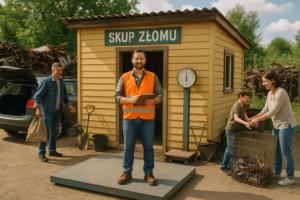
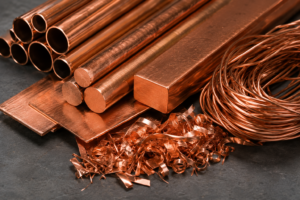
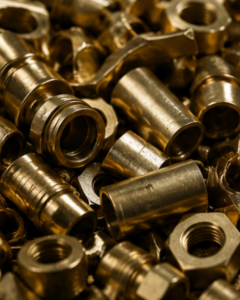
The first step is bronze purchasing – collecting bronze scrap, mainly from scrap yards, from various sources such as: old pipes, sleeves, ship propeller shafts, electrical cables, car scrap and old decorative items. The raw material is then carefully sorted into different bronze alloys using a spectrometer, and any impurities – such as other metals, inorganic contaminants and plastic – are removed.
- Remelting
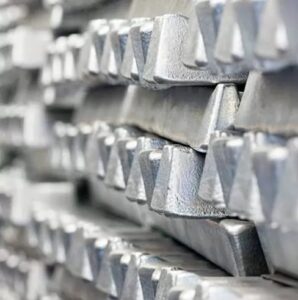
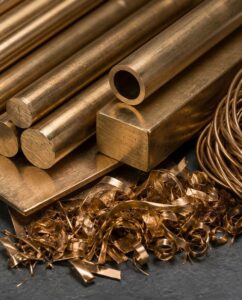
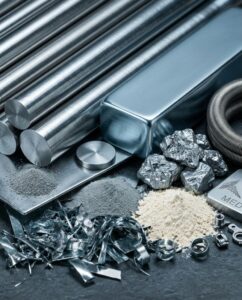
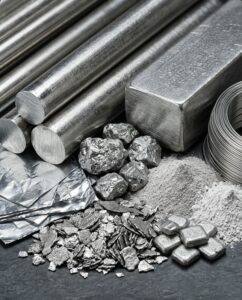
Once the bronze scrap has been collected and sorted, the next stage is remelting. The raw material is subjected to high temperatures, usually in induction furnaces, in order to melt it and adjust its chemical composition to meet the relevant standards. Once the correct alloy has been prepared, the molten metal is poured from the furnace into bronze ingots, tubes, rollers, sleeves and other semi-finished products used for further production.
The benefits of recycling bronze scrap
As well as its environmental benefits, bronze recycling also has economic advantages – it is cost-effective, as remelting and reusing it is usually cheaper than mining and processing copper and tin.
- Conservation of natural resources
Recycling enables copper and tin to be reused, which reduces the need to extract new raw materials. This helps to protect the Earth’s natural resources.
- Energy saving
The production of copper from ore is an energy-intensive process. Recycling bronze scrap consumes significantly less energy, which helps to reduce greenhouse gas emissions and minimise the negative impact on the climate.
- Environmental protection
Recycling bronze scrap reduces the amount of waste that ends up in landfill sites. Metallic waste can cause soil and groundwater contamination, which poses a threat to the environment. Recycling minimises this negative impact and contributes to a significant reduction in CO₂ emissions.
Bronze alloys
In Poland, the classification of bronze is governed by national standards, which are in line with international standards. These standards specify the chemical composition, physical and mechanical properties, as well as dimensional tolerances for various types of bronze. The most important body responsible for standardisation is the Polish Committee for Standardisation (PKN), which is responsible for developing and implementing Polish standards (PN) relating to metals, including bronze.
The variety of bronze alloys stems from their different compositions, which influence their properties and applications.
Bronze alloys are classified as follows:
- Foundry alloys
- Plastic alloys
-
Examples of bronze alloys include:
- Phosphor bronze (CuSn):
Composition: Copper (Cu) and tin (Sn) with an admixture of phosphorus (P).
CUSn12 bronze – is characterised by excellent strength, wear resistance and corrosion resistance. It is frequently used in the manufacture of bearings, sealing rings, fasteners and machine components where high durability is required. CUSn12 is a self-lubricating bronze.
Bronze B101 (CuSn10P) is a specialised tin-phosphorus bronze offering high resistance to mechanical stress, abrasion, crushing, corrosion and high temperatures. It is used in the manufacture of chemical fittings and parts for equipment and machinery that are exposed to corrosion, heavy loads and high rotational speeds, such as bearings. It is characterised by its castability and machinability. This alloy is also known as phosphor bronze. It contains approximately 1% of red phosphorus
- Aluminium bronze (CuAl):
Composition: Copper (Cu) and aluminium (Al).
Applications: Aluminium bronze is characterised by good corrosion resistance, as well as low friction and wear. It is used in the manufacture of screws and power transmission components, as well as in marine structures due to its resistance to seawater.
- Aluminium-nickel bronze (CuAl10Ni):
Composition: Copper (Cu), aluminium (Al) and nickel (Ni).
Applications: Aluminium-nickel bronze is characterised by exceptional tensile strength, making it ideal for the manufacture of components subjected to high stresses, such as springs, gearboxes and structural components.
- Nickel bronze (CuNi):
Composition: Copper (Cu) and nickel (Ni).
Applications: Nickel bronze is characterised by its resistance to corrosion and oxidation. It is frequently used in the manufacture of chemical plant components, marine components and other structures exposed to acids and salts.
- Beryllium bronze (CuBe):
Composition: Copper (Cu) and beryllium (Be).
Applications: Beryllium bronze is characterised by excellent elasticity and fatigue resistance. It is used in the manufacture of springs and electrodes, as well as in the aerospace industry, due to its light weight and exceptional mechanical properties.
- Aluminium-manganese bronze (CuAl9Mn2):
Composition: Copper (Cu), aluminium (Al) and manganese (Mn).
Applications: This bronze is used in the manufacture of machine parts and pump housing components, as well as in the marine industry, due to its corrosion resistance.
- RG7 tin-zinc-lead bronze (CuSn7ZnPb)
Composition: Copper (Cu), tin (Sn), zinc (Zn) and lead (Pb)
It is one of the most popular bronze alloys. It is resistant to corrosion, seawater and abrasion, which is why it is also known as sliding bronze. It is used to manufacture bearings in the automotive industry, as well as bushings. It is also used in the chemical industry and in construction.
You can download the composition of selected bronze alloys Here
What determines the price of bronze?
The price of bronze at scrap metal collection points depends on a number of factors, and its value may vary depending on current market conditions.
What is the price of bronze?
-
-
- Commodity market prices:
- Copper and tin prices: Bronze is an alloy of copper and tin, so the prices of these raw materials have a direct impact on the cost of producing bronze. If the prices of copper or tin rise, this may lead to an increase in the cost of producing bronze and affect its price.
- Supply and demand:
- Industrial demand: Strong industrial demand, particularly in the construction, electrical and automotive sectors, may result in a rise in bronze prices. Conversely, a fall in demand may lead to a fall in prices.
- Supply of bronze scrap: The availability of bronze scrap on the market also affects the price. If supply is low, prices may rise.
- Economic situation:
- Economic growth: During periods of economic growth, demand for metals, including bronze, often rises, which can push up prices.
- Economic recession: During a recession, industrial demand may fall, which in turn may lead to a fall in bronze prices.
- Exchange rates: Fluctuations in exchange rates can affect the prices of metals, including bronze. If the value of the local currency falls against other currencies, this may increase the cost of importing the metal and push up its price.
- Technological innovations: Technological advances in the extraction, production and recycling of bronze may affect production costs and, consequently, the final price.
- Policy and regulations: Changes to regulations concerning environmental protection, the extraction of raw materials or international trade may affect the price of bronze through the introduction of new standards and restrictions.
- Market speculation: The activities of speculative investors, who base their decisions on forecasts of price movements in the commodities market, may also influence the price of bronze.
- Commodity market prices:
-
Summary
Recycling bronze scrap is an important step towards a more sustainable future, in which maximising the use of resources and minimising waste will be essential. Furthermore, the unique properties of bronze make it extremely valuable and widely used in various fields. The introduction and promotion of more effective recycling systems can help protect the environment and ensure a balance between economic benefits and care for our planet.
At RMC Polska Sp. z o.o., we buy and sell all types of bronze scrap. By choosing us as your partner, you will not only benefit from attractive financial terms, but also have the assurance that your scrap will be processed responsibly and in accordance with the highest environmental standards. Our experience and commitment to promoting sustainable development make us an industry leader that cares not only for the environment but also for the future of our planet.
Details: https://rmcpolska.pl/skup-brazu/