

The concept of sustainable development – what is it?
The idea sustainable development promotes social and economic progress that does not compromise the ability of future generations to meet their own needs. At the heart of the theory of sustainable development lies concern for the state of the natural environment and the preservation of its resources for future generations; this is why the concept is often referred to as eco-development. Sustainable development is not merely about reducing the negative impact of human activity on nature, although this is undoubtedly its primary objective.
For „Złomiarz”, sustainable development means a harmonious balance between three main aspects: economic, social and environmental. Below is a brief explanation of these three aspects:
The economic aspect:
Sustainable development requires consideration of economic efficiency. This means creating and maintaining a healthy economy by investing in development and ensuring sustainable growth. For a scrap dealer, this means running a business profitably, ensuring financial stability and long-term growth, for example through effective resource management, minimising costs and identifying new markets or business opportunities.
Social aspect:
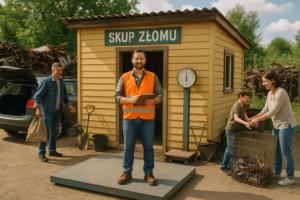
Sustainable development takes into account social aspects such as social well-being, equality and social justice. For a scrap dealer, this means nurturing relationships with employees, suppliers, customers and the local community. In practice, this may involve ensuring safe and healthy working conditions, fair pay, respect for workers’ rights and ethical business practices. Furthermore, it may involve active engagement in the development of the local community through social initiatives, supporting local environmental education programmes for young children in nurseries and schools, organising environmental initiatives, promoting the collection of recyclable materials, and ensuring their safe processing and storage.
Environmental aspect:
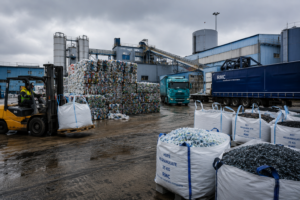
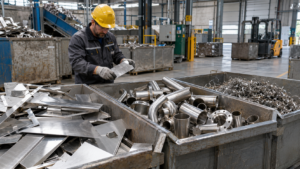
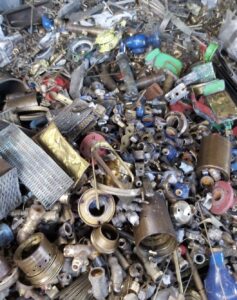
Sustainable development takes into account the protection of the natural environment and the minimisation of negative impacts on it. For a scrap dealer, this means adhering to the principles of environmental responsibility in the conduct of their business. This may include the sorting and proper storage of scrap, minimising waste, reducing water and energy consumption, and monitoring and limiting emissions of substances harmful to the environment. A scrap dealer can also contribute to sustainable development by promoting recycling, raising environmental awareness within the community, and seeking innovative solutions that minimise the impact on the natural environment.
For a scrap dealer, sustainable development means conducting business in a way that takes into account the simultaneous fulfilment of economic, social and environmental needs. Adhering to the principles of sustainable development is important for long-term success, environmental protection and building trust amongst scrap metal suppliers and customers.