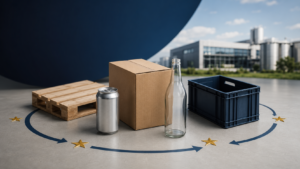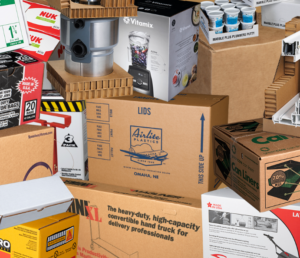


New EU regulations will change the way companies design, purchase, document and account for packaging. For industry and the recycling sector, this is not only an obligation but also an incentive to streamline the material cycle. Cardboard,…
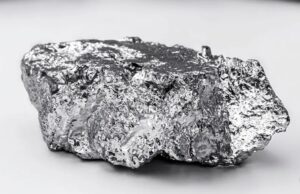
Read moreJust a few years ago, few people outside the metallurgical or automotive industries gave much thought to what cobalt actually is. Today, this unassuming metal is at the heart of the global economic game. Countries are building…
Read moreIn recent years, the European Union has been consistently tightening its environmental requirements for businesses. Following regulations on ESG, CBAM, sustainability reporting and new rules on the shipment of waste, another significant change is on the horizon. From 12…
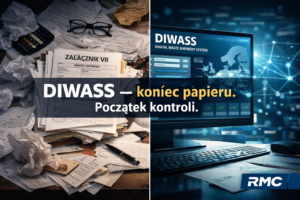
Read moreDIWASS comes into force on 21 May 2026 and will transform the European waste trade. Just a few months ago, many business owners viewed DIWASS as „yet another EU IT project” that would likely be postponed or implemented…
Read moreThe European plastics market has undergone a dramatic change in recent months. Until recently, the industry was operating in a climate of low prices, abundant availability of cheap imported virgin raw materials and significant pressure on the sector…
Read moreNew EU Regulation on the transboundary shipment of waste – Restrictions on waste exports from the EU The introduction of Regulation (EU) 2024/1157 on the shipment of waste is often presented as the next stage in the digitalisation of administrative processes in…
Read moreThe waste market, particularly in the metals sector, has for years operated on the basis of experience, relationships and operational practice. Documentation was, of course, mandatory, but the way it was circulated and compiled often depended on…
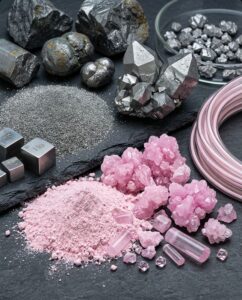
Read moreThe modern digital economy, electromobility and the energy transition could not function without a group of elements which – although invisible to the end user – are a key component of the most advanced technologies. Rare-earth metals…
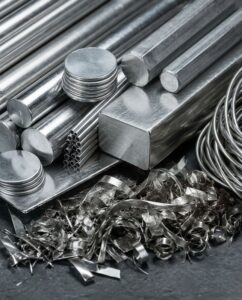
Read moreStainless steel is one of the most important materials used in modern industry. It is used in construction, the food, chemical, energy and automotive industries, and in the manufacture of everyday items. Its popularity stems primarily from…
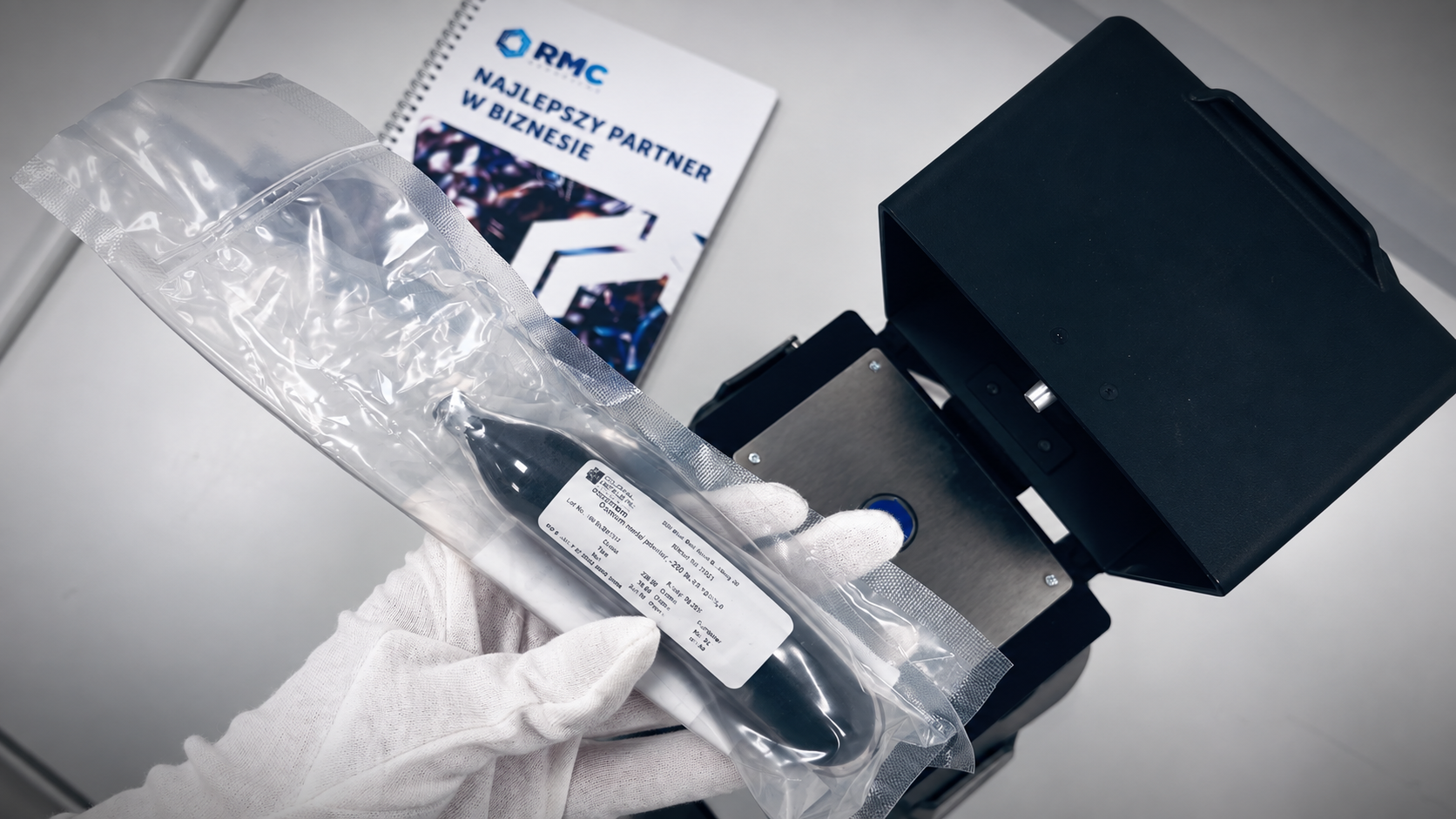
Read moreIf you were to fill a one-litre bottle with water, it would weigh about one kilogram. The same bottle filled with osmium would weigh over 22.5 kilograms. A small sphere the size of a golf ball would weigh close to one kilogram. Osm, denoted…
Read moreThere are metals that everyone is familiar with. Gold is associated with wealth, silver with jewellery, copper with wiring, and platinum with luxury and car catalytic converters. Ruthenium, on the other hand, remains almost unknown. It does not appear…
Read moreFor several months now, I have noticed that more and more companies in the recycling sector are beginning to take an interest in the so-called ‘green list’ of waste. Until recently, for most of the market, the green list was simply a simplified…
Read moreExperiences of scrap metal theft that are worth sharing The metals market – particularly aluminium and its derivatives – is a demanding one today. Not only in terms of capital and operations, but also in terms of security.…
Read moreA step towards regulating the market or yet another barrier to business? For years, the EU market for secondary raw materials has been caught between the need to protect the environment and the realities of trade and recycling.…
Read moreIn the e-waste market, the biggest financial losses aren’t down to technology, but to mixing. Someone collects electronic equipment, throws it all into a single bag, calls it „e-scrap” and hopes the recipient will „sort it out somehow…’
Read moreAnyone involved on a larger scale in the trade of non-ferrous scrap metal will certainly have come across offers to purchase copper (e.g. Milberry or cathodes) from exotic countries – particularly from…
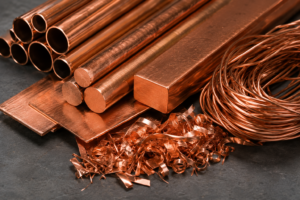
Read moreCopper is one of the most valuable non-ferrous metals found in scrap. Due to its excellent conductivity and high value, it is readily recovered and recycled. Copper scrap is an important…
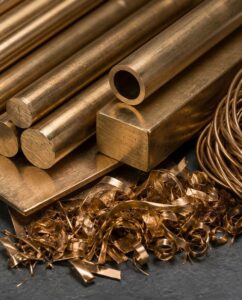
Read moreIn an era of rising raw material prices and growing environmental awareness amongst the public, the scrap metal market is gaining in importance. The purchase and sale of non-ferrous metals, including brass, are not only a significant part of the economy…
Read moreRunning your own scrap metal business isn’t just a business – it’s a daily adventure! Every day brings new challenges and discoveries. We learn to identify metals and discover their properties and uses. Sometimes we feel…
Read moreAluminium is one of the most widely used metals, found in many everyday products, from beer cans to car and aeroplane parts. Although aluminium comes second only to steel…
Read moreTool steel – not just metal, but the cornerstone of industry. Tool steel, which is far more than just ordinary metal, plays a vital role in advanced engineering and industrial technology. Tool steel is designed to…
Read moreDistinguishing between brass and gold can be a challenge, especially for those with no experience in identifying metals. Below are a few tips that might help you. Colour: Gold is usually lighter in colour and…
Read more