

The year 2026 will bring fundamental regulatory changes to the market aluminium within the European Union. For companies involved in the trade and recycling of metals, this means they will need to adapt their business models to the new legal, cost and logistical realities. Two areas will be of key importance: the full implementation of the CBAM mechanism and the planned restrictions on exports of aluminium scrap outside the EU.
CBAM – a new cost for aluminium imported into Europe
From 1 January 2026, the mechanism CBAM The Carbon Border Adjustment Mechanism (CBAM) will enter its final phase. This means that aluminium imports from outside the European Union will be subject to an obligation to purchase CO₂ certificates. In practice, the CBAM incorporates the cost of carbon emissions into the price of aluminium imported into the EU.
This cost will depend on:
– aluminium production technologies,
– the energy mix of the country of origin,
– the current price of ETS allowances.
For primary aluminium produced in countries with high-carbon energy sectors, this could mean a cost increase of as much as several dozen or several hundred euros per tonne. Recycled aluminium and recycled materials, provided they are accompanied by appropriate emissions documentation, will remain far more competitive.
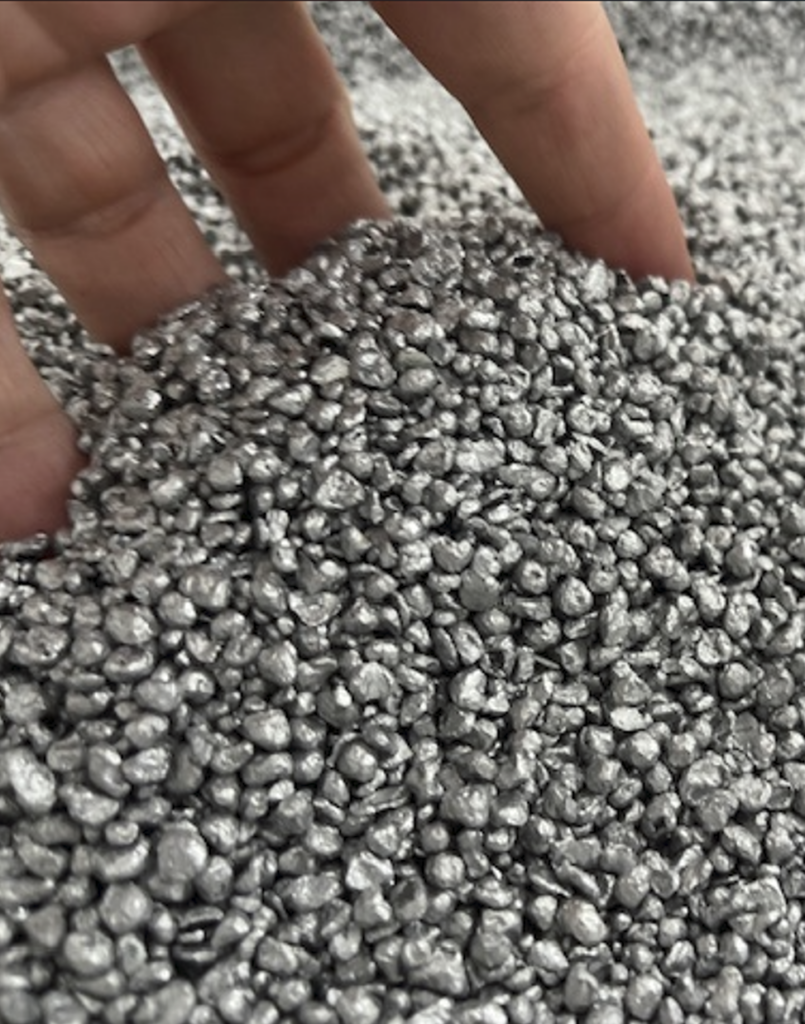
Restrictions on aluminium scrap exports – planned changes
At the same time, the European Commission is planning to introduce measures to restrict the export of aluminium scrap outside the European Union. The aim of these measures is to keep this strategic raw material within Europe and to support the local recycling industry.
Among other things, the following are being considered:
– export duties on aluminium scrap,
– a system of export authorisations or licences,
– additional quality and environmental requirements.
The first substantive restrictions could come into force as early as 2026, following the completion of the legislative process in 2025.
Implications for the aluminium scrap market
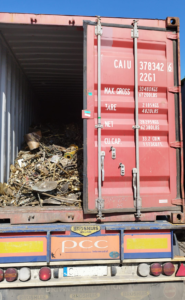
The sectors dealing with contaminated scrap and scrap mixtures will be most affected by these changes. Until now, this material has largely been exported to Asia. Restrictions on exports will lead to a surplus of this type of scrap on the European market and put pressure on prices. In this context, recyclers capable of separating individual metals from one another are likely to benefit.
At the same time, Europe is grappling with capacity cuts at aluminium smelters, high energy costs and increasingly stringent environmental requirements. This will result in the growing importance of pure, homogeneous aluminium fractions.
What does this mean for market participants?
For companies that buy scrap metal:
– greater pressure on sorting and quality,
– it is more difficult to sell low-quality aluminium scrap, e.g. Zorba, aluminium from plastic.
– the growing importance of cooperation with specialist recyclers.
– a fall in the prices of aluminium contaminated with plastic and Zorba.
For foundries and steelworks:
– greater availability of scrap metal in the EU,
– a fall in the price of lower-grade aluminium,
– a rise in the prices of imported primary aluminium, as well as silicon and other imported alloying elements
For scrap metal producers:
– rewarding lean production processes,
– greater importance attached to documentation of origin,
– a decline in the value of aluminium scrap contaminated with iron, plastic or rubber.
From the perspective of RMC Polska and the RADO Group as a whole, 2026 will be one of the most challenging periods for the European aluminium market in recent years. The implementation of the CBAM and the planned restrictions on aluminium scrap exports are significantly altering the operating conditions for the industry, though they come as no surprise to our Group.
RMC Polska and the RADO Group have been preparing for these changes for several years, consistently developing their expertise in the collection, sorting, further purification and remelting of secondary aluminium. Regardless of the final form the regulations take, we are operationally ready to work with all types of aluminium – both pure and difficult-to-process, contaminated material.
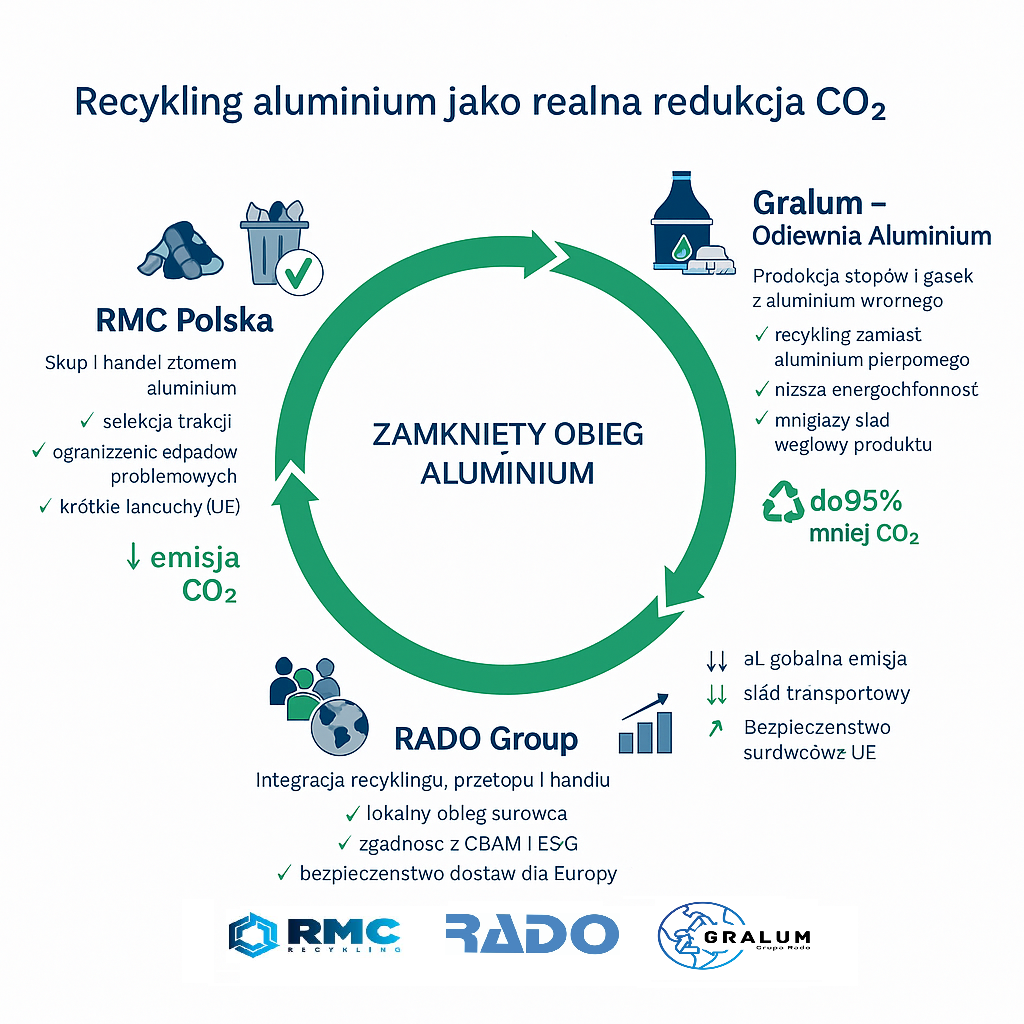
A key strength of the RADO Group is its clearly defined internal division of roles, based on a closed-loop aluminium cycle:
- RMC Polska is responsible for the purchase and trading of aluminium scrap,
- RADO sp. z o.o. is responsible for its further purification, preparation and quality stabilisation,
- Gralum manufactures aluminium gaskets from material refined by RADO, based on recycled aluminium.
This model enables us to effectively reduce CO₂ emissions, shorten supply chains and ensure stability in terms of quality and volumes – which, in the context of CBAM, environmental pressures and changes in export patterns, will be of crucial importance to the market.
In our view, the forthcoming regulations will not put an end to the scrap metal industry, but will force it to become more professional. Companies that have already established the necessary technological and organisational infrastructure will be able to operate safely and grow in this new environment. The RADO Group is ready for this.
RM