

The Key to Sustainable Management of Environmental Resources
The Basel Convention – Introduction
The Basel Waste Codes are a waste classification and management system introduced by the Basel Convention to facilitate a coordinated approach to waste management on a global scale. These codes form the basis for effective waste management, whilst supporting the objectives of sustainable development and environmental protection.
The history and purpose of the Basel Waste Codes:
Basel Waste Codes were adopted in 1992 by the Basel Convention in Switzerland. Their aim is to control the transboundary movement of hazardous waste in order to prevent adverse effects on human health and the environment. These codes also help to identify and classify different types of waste, which facilitates their effective management at national and international level. The list of hazard characteristics is set out in Annex III at the end of this article.
Structure of the Basel Waste Codes:
The Basel Waste Codes consist of alphanumeric codes that precisely identify the type and source of waste. They comprise 20 categories described in Annex VIII (environmentally hazardous waste) and in Annex IX (non-hazardous waste). Each category covers specific groups of waste. These codes make it possible to determine precisely whether a given waste is hazardous or non-hazardous, and also help to predict possible environmental impacts.
It should be noted here that the waste listed in Annex VIII is classified as hazardous to the environment, and its international transport is subject to specific regulations. When moving such waste across national borders, including within the EU, the relevant notifications must be in place
A list of the Basel codes can be found at the end of the article.
The Role of the Basel Waste Codes in Waste Management:
The Basel Waste Codes play a key role in waste management, enabling the effective monitoring, transport and treatment of waste at various stages. In the case of hazardous waste, a specific approach to its transport and disposal is required, and these codes help to ensure compliance with international regulations.
Significance for Industry:
Industry also plays a significant role in the effective implementation of the Basel Waste Codes. A company generating waste must classify it accurately in accordance with the relevant codes, which facilitates proper waste management as part of its internal procedures and contributes to environmental protection.
Challenges and Prospects:
Although the Basel Waste Codes offer numerous benefits, there are also challenges associated with their application, such as the need for constant updating in line with evolving technologies and chemicals. Nevertheless, the outlook for the future points to the need for global commitment to ensure effective waste management and environmental protection.
Summary:
The Basel Waste Codes are a vital tool in the global effort towards the sustainable management of environmental resources. Through the precise classification of waste, they facilitate its effective management at all levels – from local to international. Their role in protecting human health and the environment is invaluable, making them a key element of efforts towards environmental protection and sustainable development.
List of Basel codes
Appendix VIII – hazardous waste
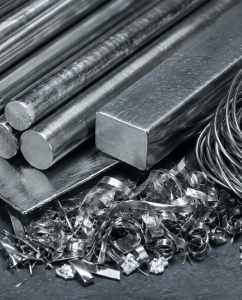
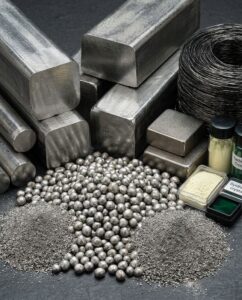
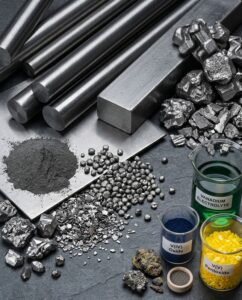
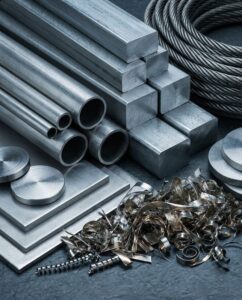
A1Metal and metal-bearing waste
A1010 Metal waste and waste consisting of alloys of any of the following metals:
- Antimony
- Arsenic
- Beryl
- Cadmium
- Lead
- Mercury
- Selenium
- Tellurium
- Tal
but excluding such waste as is specifically listed in List B.
A1020 Waste containing, as constituents or impurities – excluding waste metals in solid form – any of the following substances:
- Antimony; antimony compounds
- Beryllium; beryllium compounds
- Cadmium; cadmium compounds
- Lead; lead compounds
- Selenium; selenium compounds
- Tellurium; tellurium compounds
A1030 Waste containing, as constituents or contaminants, any of the following substances:
- Arsenic; arsenic compounds
- Mercury; mercury compounds.
- Thallium; thallium compounds
A1040 Waste containing any of the following substances as constituents:
- Metal carbonyls
- Compounds of hexavalent chromium
A1050 Electroplating sludges
A1060 Waste from clarified liquids resulting from metal pickling
A1070 Leached residues from zinc processing, dust and sludge, such as jarosite, haematite, etc.
A1080 Zinc residue waste not included in List B, containing lead and cadmium in concentrations sufficient to exhibit the properties set out in Annex III
A1090 Ash from the incineration of insulated copper wires
A1100 Dust and residues from gas treatment systems in copper smelting furnaces
A1110 Spent electrolyte solutions from the electrolytic refining of copper and the electrolytic production of copper
A1120 Sludge waste, excluding anode sludge from electrolytic treatment systems used in the electrolytic refining of copper and the electrolytic production of copper
A1130 Spent etching solutions containing dissolved copper
A1140 Waste copper chloride and copper cyanide catalysts
A1150 Precious metal ash from the incineration of printed circuit boards, not included in list B 6
A1160 Waste lead-acid batteries, whole or crushed
A1170 Unsorted battery waste, excluding mixtures of batteries consisting solely of those listed in List B. Battery waste not listed in List B, containing constituents listed in Annex I to such an extent that it constitutes hazardous waste
A1180 Waste or scrap from electrical and electronic assemblies 7 containing components such as accumulators and other batteries listed in List A, mercury switches, glass from cathode-ray tubes and other activated glass, and capacitors containing PCBs or contaminated by compounds listed in Annex I (e.g. cadmium, mercury, lead, polychlorinated biphenyls) to such an extent that they exhibit the properties set out in Annex III (see the relevant category in List B, B1110) 8
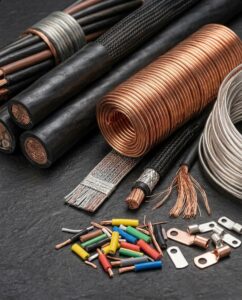
A1190 Waste cables coated or insulated with plastic containing or contaminated with coal tar, polychlorinated biphenyls 9, lead, cadmium, other organohalogen compounds or other constituents listed in Annex I to such an extent that they exhibit the properties specified in Annex III;
A2 Waste consisting mainly of inorganic compounds, which may contain metals and organic substances
A2010 Glass waste from cathode-ray tubes and other activated glass
A2020 Waste consisting of inorganic fluorine compounds in liquid form or as suspensions, but excluding the waste listed in List B
A2030 Waste catalysts, excluding those listed in List B
A2040 Gypsum waste generated in industrial chemical processes, where it contains substances listed in Annex I in quantities such that it exhibits the characteristics of hazardous waste listed in Annex III (see the relevant category in List B, B2080)
A2050 Asbestos waste (dust and fibres)
A2060 Fly ash from coal-fired power stations containing substances listed in Annex I in concentrations sufficient to exhibit the properties listed in Annex III (see the relevant entry in List B, B2050)
A3 Waste consisting mainly of organic compounds, which may contain metals and inorganic substances
A3010 Waste from the production or processing of petroleum coke and bitumen
A3020 Mineral oil waste unsuitable for its originally intended use
A3030 Waste that contains, consists of or is contaminated with residues of lead-based anti-knock compounds
A3040 Waste thermal fluids (heat exchangers)
A3050 Waste from the production, moulding and use of resins, latex, plasticisers and adhesives/binders, excluding such waste as listed in List B (see the relevant category in List B, B4020)
A3060 Nitrocellulose waste
A3070 Waste phenols and phenolic compounds, including chlorophenol, in liquid form or as suspensions
A3080 Waste ethers, other than those listed in List B
A3090 Waste in the form of dust, ash, sludge and leather meal, if it contains hexavalent chromium compounds or biocides (see the relevant category in List B, B3100)
A3100 Offcuts or other waste leather or leather components unsuitable for the manufacture of leather goods, containing hexavalent chromium compounds or biocides (note the relevant entry in List B, B3090)
A3110 Waste from leather tanning containing hexavalent chromium compounds, biocides or infectious substances (see the relevant category in List B, B3110)
A3120 Soft waste fraction from shredding
A3130 Waste consisting of organic compounds containing phosphorus
A3140 Waste non-halogenated organic solvents, excluding such waste listed in List B
A3150 Waste halogenated organic solvents
A3160 Waste consisting of halogenated or non-halogenated dry distillation residues arising from organic solvent recovery processes
A3170 Waste arising from the production of aliphatic organochlorine hydrocarbons (such as chloromethane, dichloroethane, vinyl chloride, vinylidene chloride, allyl chloride and epichlorohydrin)
A3180 Waste, substances and articles containing, consisting of or contaminated with polychlorinated biphenyls (PCBs) or polychlorinated triphenyls (PCTs), polychlorinated naphthalene (PCN) or polybrominated biphenyl (PBB) or any other polybrominated derivatives of these compounds, at a concentration of 50 mg/kg or more 10
A3190 Waste in the form of tar residues (excluding bituminous cements) arising from the refining, distillation and other pyrolytic processes of organic substances
A3200 Bituminous materials (asphalt waste) arising from road construction and maintenance, containing tar (taking into account the relevant entry in List B, B2130)
A4 Waste that may contain either inorganic or organic components
A4010 Waste arising from the manufacture, formulation and use of pharmaceutical products, excluding such waste as listed in List B
A4020 Clinical and related waste; waste from medical, nursing, dental, veterinary and similar practices, and waste generated in hospitals and other establishments during the examination and treatment of patients or in the course of research projects
A4030 Waste arising from the production, formulation and use of biocides and plant protection products, including waste pesticides and herbicides, not covered by the specification, out of date 11 or unsuitable for their originally intended use
A4040 Waste from the production, formulation and use of wood-preserving chemicals 12
A4050 Waste that contains, consists of or is contaminated with any of the following substances:
- Inorganic cyanides, with the exception of residues containing precious metals in solid form with trace amounts of inorganic cyanides
- Organic cyanides
A4060 Oil-water waste, mixtures of hydrocarbons and water, emulsions
A4070 Waste arising from the production, formulation and use of inks, dyes, pigments, paints, varnishes and lacquers, excluding such waste as is listed in List B (see the relevant category in List B, B4010)
A4080 Explosive waste (excluding the waste listed in List B)
A4090 Waste acidic or alkaline solutions, other than those listed in the relevant category in List B (see the relevant category in List B, B2120)
A4100 Waste from industrial pollution control equipment used for the treatment of waste gases, excluding such waste as listed in List B
A4110 Waste that contains, consists of or is contaminated with any of the following substances:
- A compound from the polychlorinated dibenzofuran group
- A compound from the polychlorinated dibenzodioxin group
A4120 Waste that contains, consists of or is contaminated with peroxides
A4130 Packaging and waste containers containing substances listed in Annex I in concentrations sufficient to demonstrate the hazardous waste properties listed in Annex III
A4140 Waste consisting of or containing non-compliant or out-of-date 13 chemical substances corresponding to the categories set out in Annex I and exhibiting the properties of hazardous waste as set out in Annex III
A4150 Chemical waste generated as a result of scientific research or teaching activities, which is unidentified or new and whose impact on human health or the environment is unknown
A4160 Spent activated carbon not included in List B (see the relevant entry in List B, B2060)
ANNEX IX: Non-hazardous waste
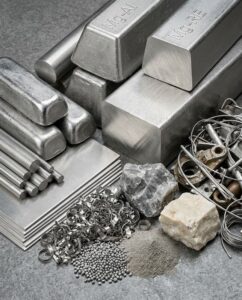
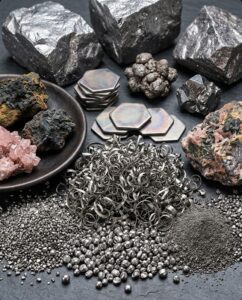
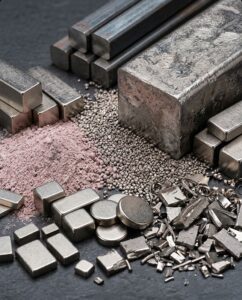
B1 Metal and metal-bearing waste
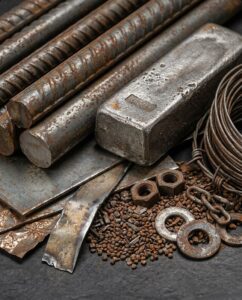
B1010 Metal and metal alloy waste in the form of undispersed metal:
- Precious metals (gold, silver, the group platinum group metals (apart from mercury)
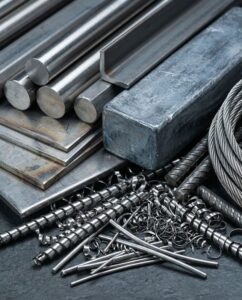
- Iron and steel scrap
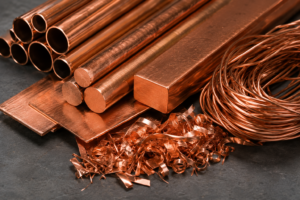
- Copper scrap
- Nickel scrap
- Aluminium scrap
- Zinc scrap
- Tin scrap
- Tungsten scrap
- Molybdenum scrap
- Tantalum scrap
- Magnesium scrap
- Cobalt scrap
- Bismuth scrap
- Titanium scrap
- Zirconium scrap
- Manganese scrap
- Germanium scrap
- Vanadium scrap
- Scrap hafnium, indium, niobium, rhenium and gallium
- Scrap track
- Rare-earth element scrap
- Chromium scrap
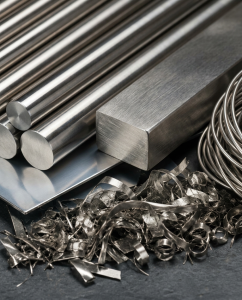
B1020 Clean, uncontaminated scrap metal, including metal alloys, in its final form in bulk (sheets, plates, beams, bars, etc.):
- Antimony scrap
- Beryllium scrap
- Cadmium scrap
- Lead scrap (excluding lead-acid batteries)
- Selenium scrap
- Tellurium scrap
B1030 Fire-resistant metals containing residues
B1031 Waste metals and metal alloys: molybdenum, tungsten, titanium, tantalum, niobium and rhenium in the form of dispersed metal (metal powder), excluding such waste as that listed in List A, entry A1050, Electroplating sludges
B1040 Scrap from electricity generation units, uncontaminated with lubricating oil, PCBs or PCTs to the extent that this would classify it as hazardous waste
B1050 Mixed non-ferrous metals, heavy-fraction scrap, not containing any materials listed in Annex 1, in concentrations sufficient to demonstrate the properties set out in Annex III 15
B1060 Waste selenium and tellurium in the form of free metal, including powder
B1070 Waste copper and copper alloys in dispersible form, unless they contain substances listed in Annex I in quantities sufficient to exhibit the properties listed in Annex III
B1080 Zinc ash and its residues, including residues of zinc alloys in dispersed form, unless they contain substances listed in Annex I in quantities sufficient to exhibit the properties listed in Annex III or to exhibit the hazardous property H4.3 16
B1090 Battery waste that meets the specification criteria, excluding batteries containing lead, cadmium or mercury
B1100 Metal-bearing waste arising from the smelting, melting and refining of metals:
- Hard zinc solder
- Zinc-containing waste generated during beneficiation:
– Top layer of slag-coated flat billets (>90% Zn)
– Bottom-mounted slag lining made from galvanised flat billets (>92% Zn)
– A speedway jacket made from die-cast zinc (>85% Zn)
– Hot-dip galvanised steel plate slabs for slag lining (> 92% zn)
– Zinc dross
- Aluminium scum (or foam), excluding salt dross
- Copper slag intended for further processing or refining, not containing arsenic, lead or cadmium in quantities such that it exhibits the characteristics of hazardous waste as set out in Annex III
- Waste from linings and refractory materials, including crucibles used in copper smelting
- Slag from the precious metals industry for further refining
- Tantalum slags containing less than 0.5% of tin
B1110 Electrical and electronic assemblies:
- Electronic assemblies consisting solely of metals or alloys
- Waste or scrap from electrical and electronic assemblies 17 (including printed circuit boards) not containing components such as accumulators or other batteries listed in List A, mercury-switches, glass from cathode-ray tubes and other activated glass, and PCB capacitors, or not contaminated by compounds listed in Annex I (e.g. cadmium, mercury, lead, polychlorinated biphenyl) or from which these have been removed to such an extent that they do not possess the properties listed in Annex III (see the relevant category in List A, A1180)
- Electrical and electronic assemblies (including printed circuit boards, electronic components and wires) intended for direct reuse 18 rather than for reprocessing or final disposal 19
B1115 Waste metal cables coated or insulated with plastic, not included in List A under category A1190, with the exception of cables intended for disposal processes involving, at any stage, uncontrolled thermal processes such as open burning;
B1120 Used catalytic converters, excluding liquids used as catalysts, containing any of the following substances:

B1130 Cleaned-out spent catalytic converters containing precious metals
B1140 Residues containing precious metals in solid form, containing traces of inorganic cyanides
B1150 Waste precious metals and alloys (gold, silver, the platinum group, excluding mercury) in a dispersed, non-liquid form, suitably packaged and labelled
B1160 Precious metal ash from the incineration of printed circuit boards (see the relevant category in List A, A1150)
B1170 Precious metal ash from the incineration of photographic film
B1180 Photographic film waste containing silver halides and metallic silver
B1190 Photographic paper waste containing silver halides and metallic silver
B1200 Granulated slag produced during the manufacture of iron and steel
B1210 Slag produced during the manufacture of iron and steel, including slag as a source of TiO₂ and vanadium
B1220 Zinc production slag, chemically stabilised, with a high iron content (over 20%), processed in accordance with industrial standards (e.g. DIN 4301), mainly for construction purposes
B1230 Rolling mill scale produced during the manufacture of iron and steel
B1240 Copper oxide scale
B1250 Waste from end-of-life motor vehicles, not containing liquids or other hazardous substances
B2 Waste consisting mainly of inorganic compounds, which may contain metals and organic substances
B2010 Mining waste in non-dispersed form:
- Natural graphite waste
- Shale waste, whether roughly trimmed, sawn or otherwise cut
- Mica waste
- Leucite, nepheline and nepheline syenite waste
- Scalation waste
- Fluorite waste
- Solid silica waste, excluding waste used in foundries
B2020 Glass waste in non-dispersed form:
- Crumpled glass and other glass waste and scrap, excluding glass from cathode-ray tubes and other activated glass
B2030 Ceramic waste in non-dispersed form:
- Waste and residues from ceramic-metal sintering
- Ceramic-based fibres, not elsewhere specified or included
B2040 Other waste consisting mainly of inorganic compounds:
- Partially refined calcium sulphate produced from flue gas desulphurisation (FGD)
- Plasterboard and plaster cladding waste arising from the demolition of buildings
- Chemically stabilised copper production slag with a high iron content (above 20%), processed in accordance with industrial standards (e.g. DIN 4301 and DIN 8201), mainly for structural purposes and as an abrasive material
- Sulphur in solid form
- Limestone from the production of calcium cyanamide (with a pH below 9)
- Sodium, potassium and calcium chlorides
- Carborundum (silicon carbide)
- Concrete aggregate
- Lithium-tantalum and lithium-niobium, containing glass scrap
B2050 Fly ash from coal-fired power stations, not included in List A (see the relevant category in List A, A2060)
B2060 Spent activated carbon, not containing any of the compounds listed in Annex I to the extent that it exhibits the characteristics of waste listed in Annex III, for example, carbon derived from the treatment of drinking water and from food and vitamin production (see the relevant category in List A, A4160)
B2070 Calcium fluoride suspension
B2080 Gypsum waste arising from industrial chemical processes, not included in List A (see the relevant category in List A, A2040)
B2090 Waste anode residues from steel or aluminium production, derived from petroleum coke or bitumen and treated to meet standard industrial requirements (excluding anode residues from the alkali metal chloride electrolysis industry and the metallurgical industry)
B2100 Aluminium hydroxide waste, aluminium oxide waste and residues from the production of aluminium oxide, excluding such substances used in gas purification, flocculation and filtration processes
B2110Bauxite residues („red mud”) (pH maintained below 11.5)
B2120 Waste acidic or alkaline solutions with a pH greater than 2 and less than 11.5, which are not corrosive or otherwise hazardous (see the relevant category in List A, A4090)
B2130 Bituminous materials (asphalt waste) arising from road construction and maintenance, not containing tar 20 (taking into account the relevant entry in List A, A3200)
B3 Waste consisting mainly of organic compounds, which may contain metals and inorganic materials
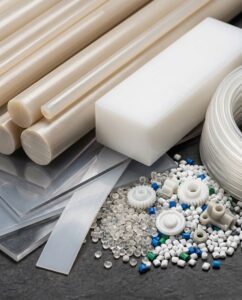
B3010 Solid plastic waste:
The following plastics or mixtures of plastics, provided they are not mixed with other waste and are prepared in accordance with the specifications:
- Residues of non-halogenated organic polymers and copolymers, including but not limited to the following substances 21 :
– ethylene
– styrene
– polypropylene
– polyethylene terephthalate
– acrylonitrile
– butadiene
– polyacetals
– polyamides
– polybutylene terephthalate
– polycarbonates
– polyethers
– phenylene polysulphides
– acrylic polymers
– C10–C13 alkanes (plasticiser)
– polyurethanes (CFC-free)
– polysiloxanes
– methyl polymethacrylate
– polyvinyl alcohol
– polyvinyl butyral
– polyvinyl acetate
- Waste from cured resin or condensed products:
– urea-formaldehyde resins
– phenol-formaldehyde resins
– melamine-formaldehyde resins
– epoxy resins
– alkyd resins
– polyamides
- Fluorinated polymer waste 22
– perfluoroethylene/propylene (FEP)
- Perfluoroalkoxy alkane
> Tetrafluoroethylene/perfluorovinyl ether (PFA)
> Tetrafluoroethylene/perfluoromethyl vinyl ether (MFA)
– polyvinyl fluoride (PVF)
– polyvinylidene fluoride (PVDF)
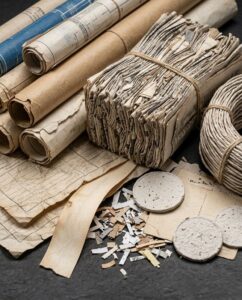
B3020 Waste paper, cardboard and paper products
The following materials, provided they are not mixed with hazardous waste:
Waste and waste paper made of paper or cardboard:
- unbleached paper or cardboard, corrugated paper or cardboard
- other paper or paperboard, made mainly from chemically bleached cellulose pulp, not coloured in the mass
- paper or cardboard, made mainly from wood pulp (e.g. newspapers, magazines and similar printed matter)
- other, including, but not limited to
1) laminated cardboard
2) unsorted waste paper
B3026 The following waste arising from the pre-treatment of composite packaging for liquids, which does not contain any of the materials listed in Annex I in concentrations sufficient to exhibit the properties listed in Annex III:
– a non-separable fraction of plastic
– a fraction of plastic and aluminium that cannot be separated
B3027 Waste from laminated self-adhesive labels containing raw materials used in the production of labels
B3030 Textile waste
The following materials, provided they are not mixed with other waste and are prepared in accordance with the specifications:
- silk waste (including cocoons unsuitable for reeling, yarn waste and defibrated rags):
– uncarded or combed
– other
- waste of wool or fine or coarse animal hair, including yarn waste, but excluding defibrated rags
– combed wool or fine animal hair
– other waste of wool or fine animal hair
– waste consisting of coarse animal hair
- cotton waste (including yarn waste and defibred rags)
– yarn waste (including thread waste)
– frayed rags
– other
- Waste and flax tow
- Waste and tow (including yarn waste and defibrated rags) of hemp (Cannabis sativa L.)
- Waste and tow (including yarn waste and unravelled rags) of jute and other textile bast fibres (excluding flax, hemp and ramie)
- Waste and tow (including yarn waste and unravelled rags) of sisal and other agave fibres
- Coconut husks, combings and waste (including yarn waste and defibrated rags)
- Tow, combings and waste (including yarn waste and waste from defibrated rags) of abaca (Manila hemp or Musa textilis Nee)
- Top, combings and waste (including yarn waste and waste from defibrated rags) of ramie and other vegetable textile fibres, not elsewhere specified or included
- Waste (including combing waste, yarn waste and defibrated rags) of man-made fibres
– synthetic fibres
– synthetic fibres
- Second-hand clothing and other second-hand textile products
- Worn-out rags, waste twine, rope and cord, and worn-out articles made of twine, rope and cord from textiles
– sorted
– other
B3035 Waste from textile floor coverings and carpets
B3040 Rubber waste
The following materials, provided they are not mixed with other waste:
- Waste and scraps of hard rubber (e.g. Ebonite)
- Other rubber waste (excluding waste listed elsewhere)
B3050 Unprocessed cork and wood waste:
- Wood waste and scrap, in bulk or in logs, briquettes, pellets or similar forms
- Cork waste: crushed, granulated or ground cork
B3060 Waste from the agri-food industry, provided that it is not contaminated:
- Wine yeast sediment
- Dried and sterilised plant waste, residues and by-products, whether or not in the form of pellets or otherwise, of a kind used for animal feed, not elsewhere specified or included
- Degras; residues resulting from the processing of fatty substances or animal or vegetable waxes
- Waste of bones and horns, unworked, defatted, pre-processed (but not cut to shape), treated with acid or degelatinised
- Fish waste
- Cocoa husks, shells, skins and other cocoa waste
- Other waste from the agri-food industry, excluding by-products that meet national and international requirements and standards for human or animal consumption
B3065 Waste edible fats and oils of animal or vegetable origin (e.g. frying oils), provided that they do not exhibit the properties listed in Annex III
B3070 The following waste:
* Human hair waste
* Straw waste
* Deactivated fungal mycelium from penicillin production, used as animal feed
B3080 Rubber waste, offcuts and residues
B3090 Offcuts and other waste of leather or leather constituents unsuitable for the manufacture of leather articles, excluding waste from leather tanning, not containing hexavalent chromium compounds or biocides (see the relevant category in List A, A3100)
B3100 Dust, ash, sludge and leather meal not containing hexavalent chromium compounds or biocides (see the relevant category in List A, A3090)
B3110 Waste from leather tanning that does not contain hexavalent chromium compounds, biocides or infectious substances (see the relevant category in List A, A3110)
B3120 Waste containing food colourings
B3130 Waste polymeric ethers and non-hazardous waste monomeric ethers incapable of forming peroxides
B3140 Waste pneumatic tyres, excluding those intended for the processes specified in Annex IVA
B4 Waste that may contain either inorganic or organic components
B4010 Waste consisting mainly of emulsion or latex paints, inks and hardened varnishes that do not contain organic solvents, heavy metals or biocides, to the extent that they constitute hazardous waste (see the relevant category in List A, A4070)
B4020 Waste from the production, moulding and use of resins, latex, plasticisers, adhesives/binders, which are not listed in List A, and which do not contain solvents or other contaminants to such an extent that they do not exhibit the properties set out in Annex III, e.g. water-based or adhesives based on casein starch, dextrin, cellulose ethers, vinyl polyalkohols (see the relevant category in List A, A3050)
B4030 Used disposable cameras with batteries, not included in List A
ANNEX III List of hazard characteristics