

CO₂ Emissions and Recycling
The production of various metals and alloys from primary raw materials generates varying amounts of carbon dioxide (CO₂) depending on the technology used, the energy source and other factors.
Below are the estimated CO₂ emissions for the production of selected metals:
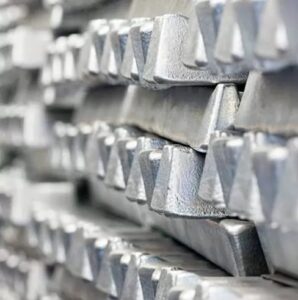
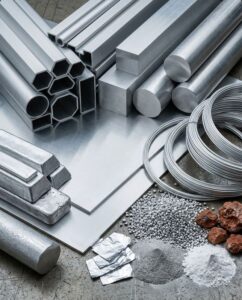
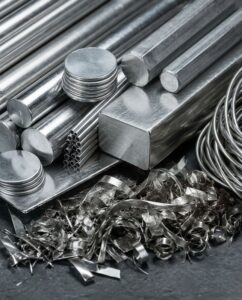
- Aluminium: The electrolytic production of aluminium (the Hall-Héroult process) is very energy-intensive and can generate between 9 and 12 tonnes of CO₂ per tonne of aluminium produced.
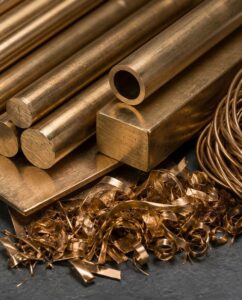
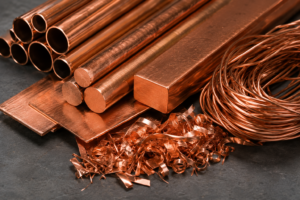
- Copper: CO₂ emissions from production copper depend on the extraction method. In the case of traditional smelting methods (e.g. the copper-sulphate process), emissions can range from 2 to 3.5 tonnes of CO₂ per tonne of copper. By contrast, with modern technologies such as hydrometallurgy, emissions may be lower, ranging from 0.5 to 2 tonnes of CO₂ per tonne of copper.
- Lead: Lead production from an ore deposit generates between 1.5 and 2.5 tonnes of CO₂ per tonne of lead.
- Zinc: CO₂ emissions from zinc production can range from 1.2 to 2.5 tonnes of CO₂ per tonne of zinc, depending on the process used.
- Tin: Information on CO₂ emissions from tin production is limited, but it is estimated that CO₂ emissions from the production of 1 tonne of tin range from 0.5 to 1.5 tonnes.
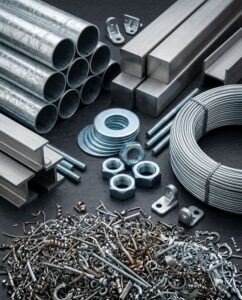
- Steel: Steel production is a complex process involving various stages and technologies. CO₂ emissions from production range from 1.8 to 2.3 tonnes of CO₂ per tonne of steel. However, the use of modern technologies, such as steel production using hydrogen as a reducing agent, can significantly reduce CO₂ emissions.
- Nickel: CO₂ emissions from nickel production using traditional processes, such as the Caron process, amount to approximately 15–35 tonnes of CO₂ per tonne of nickel produced. However, there are also modern technologies, such as hydrometallurgy, which can reduce CO₂ emissions.

It is worth noting that the figures above are estimates and may vary depending on the specific production conditions and technologies used at individual plants. CO₂ emissions can also be reduced by adopting low-carbon technologies, improving energy efficiency and utilising renewable energy sources.
Recycling of non-ferrous metals
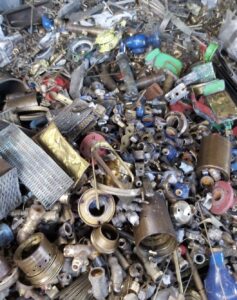
Recycling non-ferrous metal scrap contributes to a significant reduction in CO₂ emissions compared with the production of metals from primary raw materials. The exact figures for CO2 emission reductions depend on a number of factors, such as the type of metal, the recycling process and the composition of the raw material.
Below are figures showing the energy savings and reductions in CO₂ emissions achieved through scrap recycling:
- Aluminium recycling: Producing aluminium from recycled aluminium can result in energy savings of up to 95% compared with production from bauxite ore. As a result, CO₂ emissions associated with aluminium recycling are significantly lower.
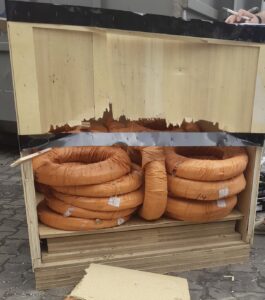
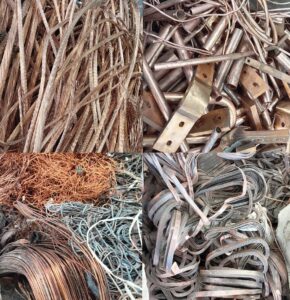
- Copper recycling: Copper recycling can result in energy savings of around 85–90% compared with production from copper ore. These energy savings contribute to a reduction in CO₂ emissions.
- Lead recycling: Lead recycling can result in significant energy savings. It is estimated that producing lead from recycled material can save between 60% and as much as 75% of energy compared with producing lead from lead ore.
- Zinc recycling: Recycling zinc can result in energy savings of around 60–75% compared with production from zinc ore. This leads to a significant reduction in CO₂ emissions.
- Tin recycling: Tin recycling contributes to energy savings, although these are not as significant as for other metals. It is estimated that recycling tin can save between 5% and 10% of energy compared to producing tin from tin ore. Nevertheless, every energy saving is important for sustainable development.
- Steel recycling: Steel recycling is significantly more energy-efficient. Producing steel from recycled materials can save between 50% and as much as 75% of energy compared with producing steel from iron ore.
- Nickel recycling: Nickel recycling also offers energy benefits. It is estimated that recycling nickel can save between 40% and 75% of energy compared to producing nickel from ore. The energy savings depend on the specific recycling process and the quality of the nickel scrap used.

It is also important to note that recycling non-ferrous metal scrap helps to conserve natural resources, reduce water consumption and minimise other negative environmental impacts, such as soil and groundwater pollution.
In view of the above, it seems that the following slogans are not merely words but represent genuine support for the global green revolution:
„Your actions, our future – collect scrap metal!”
„Small steps, big benefits – collect scrap metal and reduce CO₂ emissions!”
„Collect scrap, save raw materials, let’s protect our heritage!”
„Your scrap, your contribution – collect it and be part of the green revolution!”
Compiled by: Rafał Matyasik