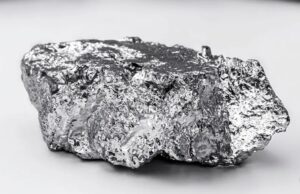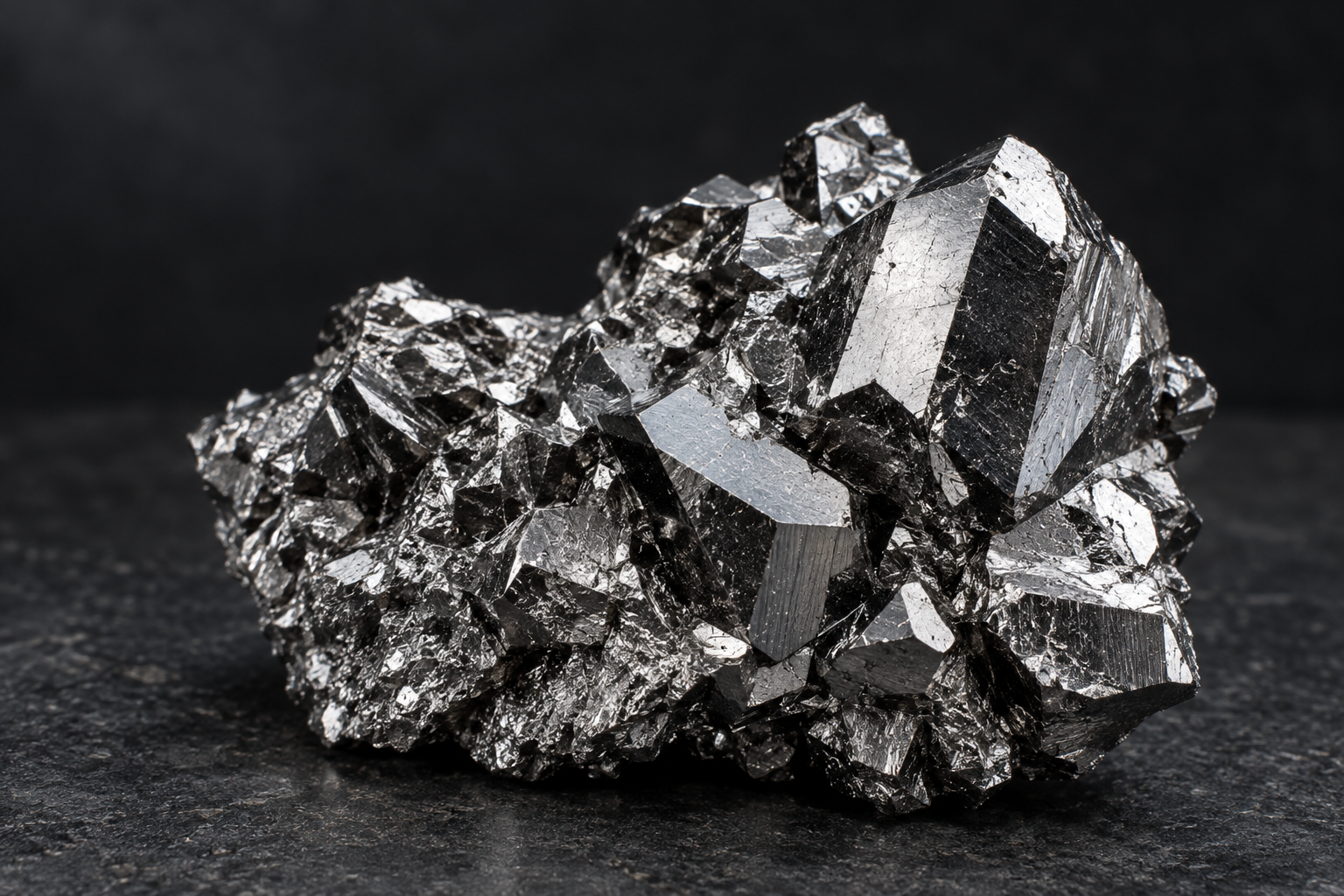


When we think of scrap metal collection, the first things that often spring to mind are steel, aluminium or copper. But did you know that tin also plays a key role in recycling and metallurgy? This underappreciated metallic gem has many uses and is highly valuable.
A bit of history
Tin was invented in ancient China, although the exact date of its invention is not known. However, the first known use of tin in China dates back to the Zhou dynasty (around the 11th century BC). At that time, tin was mainly used to produce weapons, tools and vessels for cooking and storing food. Tin also played a significant role in the technological and cultural development of ancient China, providing durable and useful objects for society.

In Europe, the Romans were the first to use tin to make weapons, coins and sculptures. Thanks to its low melting point, malleability and ease of working, tin quickly won over the hearts of Europeans. It also began to be used in the construction of drainage systems and kitchenware. In the 18th century, tin began to be used in the manufacture of mirrors, owing to its ability to form a smooth surface and reflect light.
One of the most interesting stories about tin is that it influenced Europeans’ consumption of tomatoes. For a good 200 years, people in Europe were afraid to eat tomatoes. They were thought to be poisonous. It took a long time before the real cause of the problem was discovered – it was not the tomatoes at all, but the tin plates used by wealthy Europeans. The acid in the tomatoes was strong enough to leach lead from the tableware, leading to lead poisoning and ultimately death.
Present Tenses
The modern uses of tin are extremely versatile and span many different fields and sectors of the economy. We all use tin frequently, often without even realising it. Tin is mainly used as an alloying element in metals, forming alloys such as bronze, aluminium-tin and lead-tin. Thanks to its low melting point, flexibility and ductility, it is used to produce components requiring precision and intricate details. Furthermore, it is an important metal in processes such as tin purchasing, where its recyclability is particularly valued.
Although tin is relatively little known, it has many fascinating uses in various fields. Here are a few of them:
- Electronics: Tin is widely used in the electronics industry for soldering. Thanks to its low melting point and excellent conductive properties, tin enables the connection of electronic components on printed circuit boards and integrated circuits, as well as the manufacture of microprocessor casings and electronic circuit components.
- Food Packaging: Tin is used in the linings of packaging, such as aluminium cans, to prevent corrosion and extend the shelf life of food products. This allows food to be stored for longer without any loss of quality.
- Medicine: Tin is used in certain areas of medicine, for example in the manufacture of preparations that strengthen tooth enamel and protect teeth against tooth decay (tin fluoride)
- Cosmetics: In cosmetics, tin is used as a pigment in the manufacture of various make-up products, such as eyeshadows, lip liners and nail varnishes.
- Plastics: Tin can be added to certain plastics to improve their mechanical and thermal properties. This is particularly useful for plastics used in the manufacture of electronic housings and structural components.
- Glass: Tin is used in the manufacture of glass, where it can improve its properties, such as thermal and optical conductivity.
- Pencils: Traditional pencils were filled with alloys containing tin; for example, lead-tin pencils were used.
- Resin and Building Materials: Tin can be added to resins and building materials to improve their strength and weather resistance. It is used in the manufacture of pipes, sections, cladding panels and other building products.
These applications demonstrate just how versatile tin is and how widely it is used in various aspects of everyday life and in industry.
What sort of tin can be sold at a scrap metal collection point?

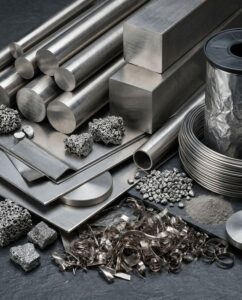
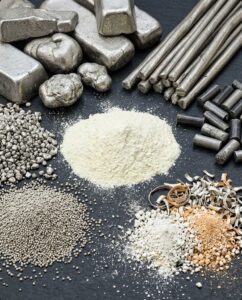
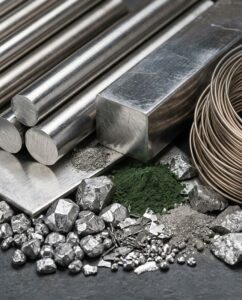
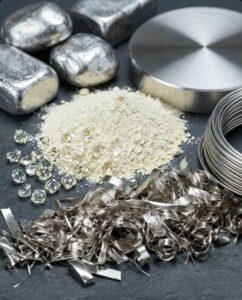
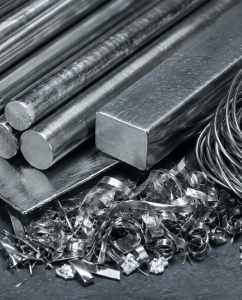
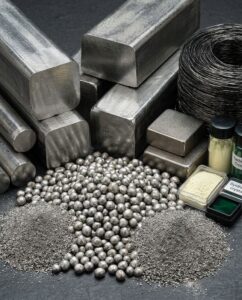
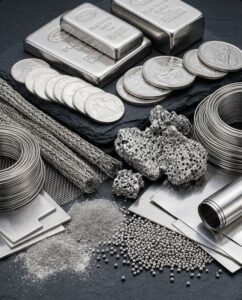
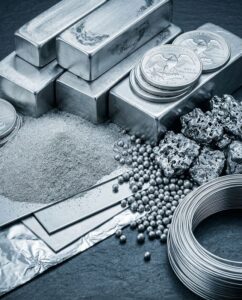
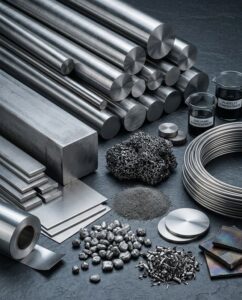
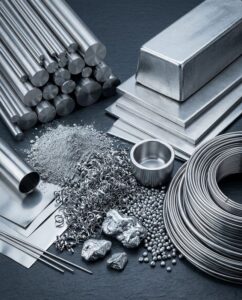
At RMC Polska, we purchase all types of tin in any form. This may include solder rods, solder wire, figurines, vessels, tin spouts, tin granules, as well as all kinds of tin castings and mouldings. The minimum tin content in the products we purchase must be above 30%. We purchase tin in various alloys, e.g. tin-lead alloys, tin-antimony alloys, and tin alloys containing silver or copper.
For larger quantities and individual valuations, if the tin alloy contains a sufficient amount of silver, you will be paid for both the tin and the silver. However, the elements that reduce the purchase price of tin are: antimony (Sb); copper (Cu), bismuth (Bi), zinc (Zn), arsenic (As), cadmium (Cd) and nickel (Ni)
What is the tin intake process like at RMC Polska?
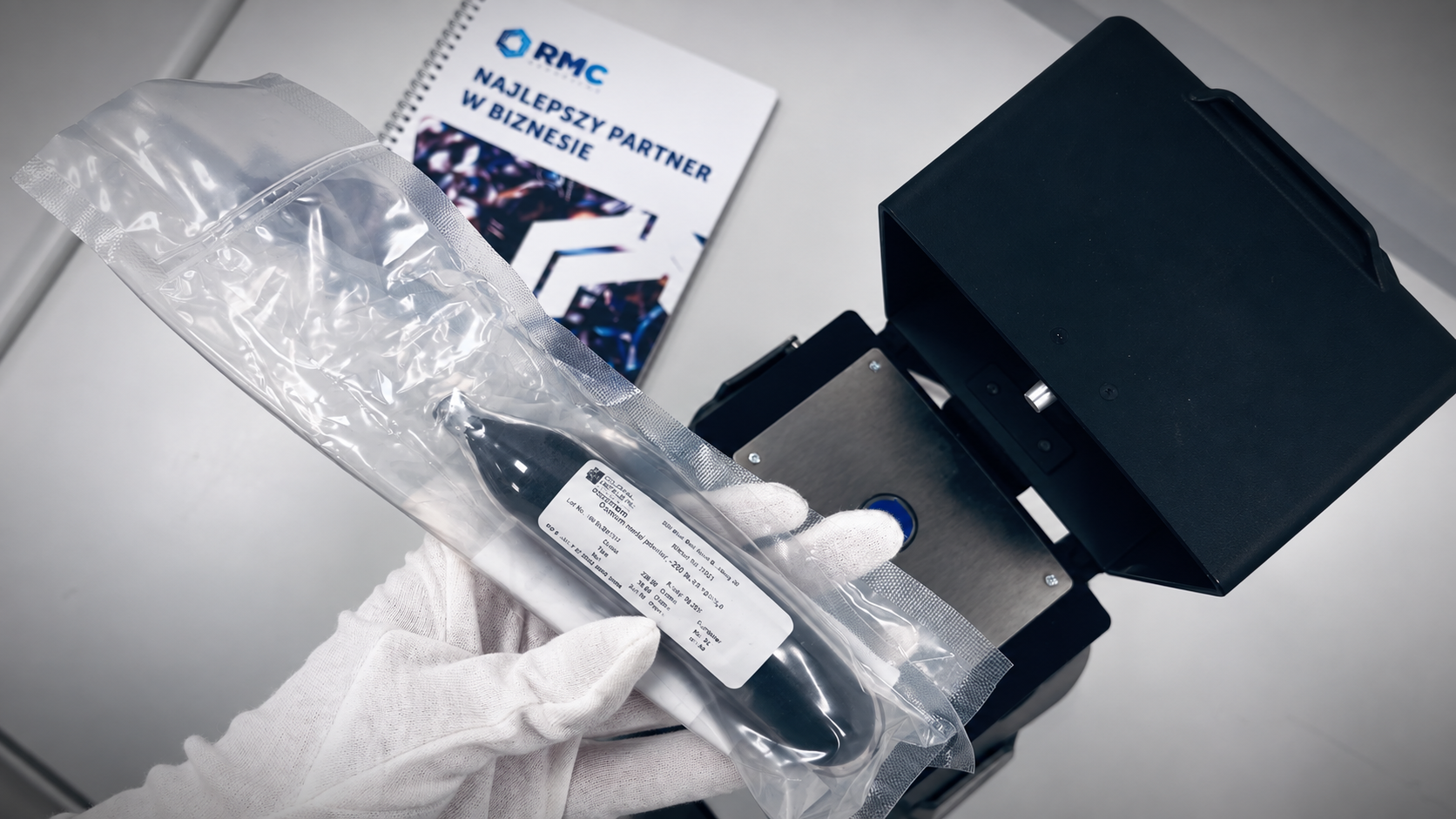
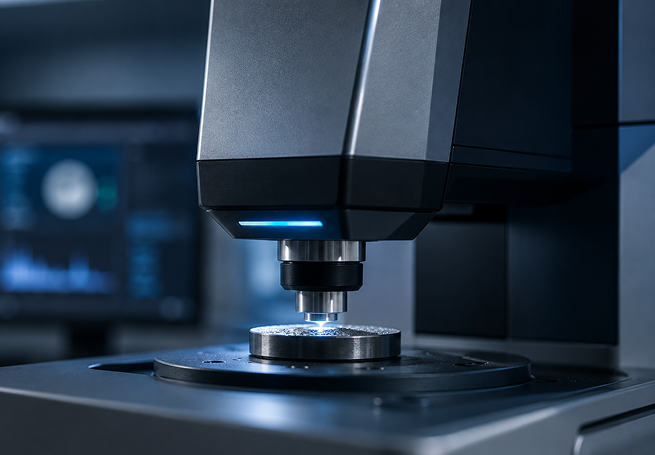
When you supply tin scrap to RMC Polska, you can be sure that you will receive the highest price for the tin, determined on the basis of an analysis of the tin content using an X-ray and/or laser spectrometer. If we identify silver in the tin you have supplied, its quantity and value will be determined.
What is the price of tin at the scrap metal collection point?
The price of tin at scrap metal collection points can vary significantly depending on a number of factors, such as current prices on global markets, local supply and demand, the quality and purity of the tin, and current economic and industrial trends. Furthermore, prices may vary depending on the region, country and the scrap metal dealer to whom you sell your tin.

The price of tin when purchasing scrap metal also depends on its purity, chemical composition, the price of tin on the LME and the value of the euro. For example, on 19 April 2024, the price of tin in the scrap metal market, with a purity of 100%, ranged from 60 zł to 100 zł per kg. As RMC Polska sells tin to end users, you may be offered a bespoke price for larger quantities.
When you sell tin to RMC Polska, you can be sure that you will be paid not only for the tin, but also for any silver that may be present in the tin alloy.
To sum up, tin at a scrap metal collection point is not just another metal that ends up on a rubbish heap. It is a valuable raw material that can bring financial benefits to the seller and, on a broader scale, economic, environmental and social benefits, both for scrap metal dealers and for industry.