

What are aluminium alloys (series)?
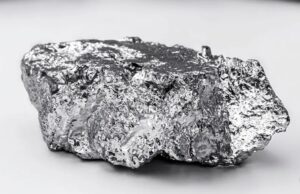
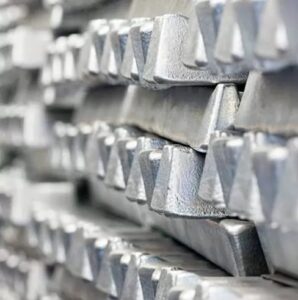
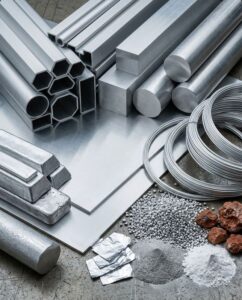
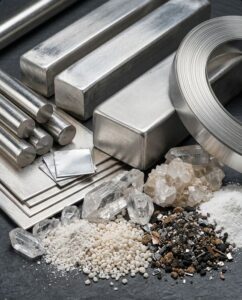
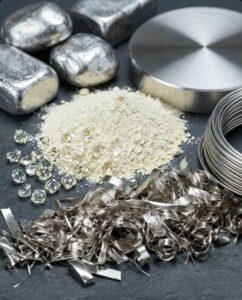
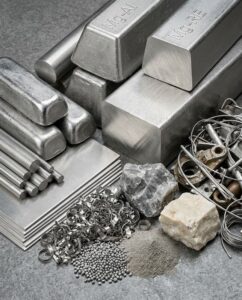
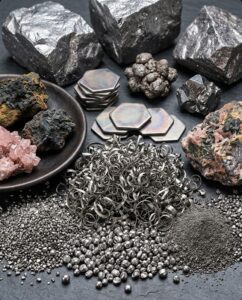
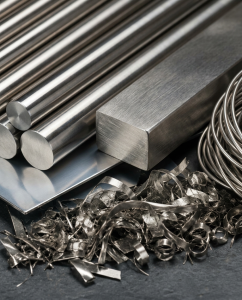
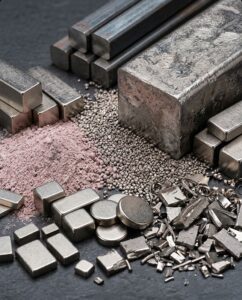
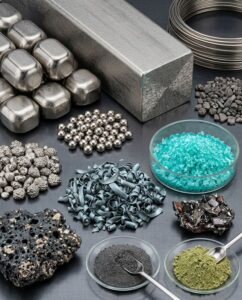
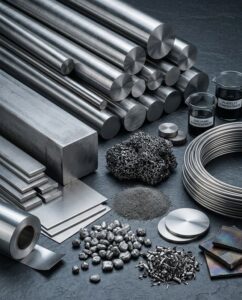
Feet aluminium These are materials produced by combining aluminium with other metals or additives. The main aim is to produce a material that combines the best properties of aluminium with the additional benefits of other metals. The result is an alloy with specific characteristics that make it suitable for a variety of applications.
Aluminium alloys represent a fascinating area within the field of materials engineering. By combining the properties of aluminium itself with those of other metals or materials, we obtain alloys with exceptional properties. These materials are known for their lightness, strength and versatility. In this article, I shall attempt to outline issues relating to aluminium alloys and their significance in today’s world.
The lightness of aluminium
The main advantage of aluminium in alloys is its low weight. Aluminium is one of the lightest known metals, which makes aluminium alloys popular in applications where weight reduction is crucial. The aerospace and space industries utilise these properties to produce lightweight structures that help to save fuel and improve efficiency.
The strength of aluminium alloys and the variety of their applications
Aluminium alloys are also characterised by exceptional strength. This makes them suitable for applications requiring durability and corrosion resistance. Aluminium alloys are used in the manufacture of cars, ships, tools and other structures that must withstand harsh environmental conditions.
Aluminium alloys are widely used in various industries. Here are a few examples:
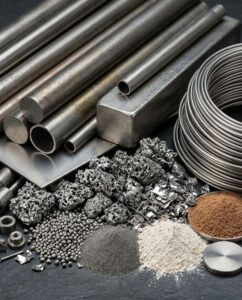
6061 and 6063 series aluminium: These alloys are characterised by good machinability and corrosion resistance. They are used in the manufacture of structural components, such as sections and tubes, and in the aerospace industry for the production of aircraft fuselage parts.
7075 series aluminium: It is a very high-strength alloy and is used in the manufacture of structural components, such as aircraft parts, space rocket components and mountain bike frames.
5052 series aluminium: Known for its resistance to corrosion, it is used in the manufacture of packaging, including drinks tins, as well as in the automotive industry, in the production of car bodies.
1100 series aluminium: This alloy is frequently used in the manufacture of electrical cables, foil, food packaging and other products that require good thermal and electrical conductivity.
Aluminium 2011 series: Owing to its machinability and good mechanical properties, it is used in the manufacture of mechanical parts such as bolts, nuts and precision-machined components.
5083 series aluminium: Known for its resistance to corrosion in marine environments, it is widely used in the manufacture of ships, boats and other marine structures.
6066 series aluminium: This is an alloy with excellent machinability, used in the manufacture of car parts, machine tools and other products that require precision machining.
7075 series aluminium: As the strongest alloy in the aluminium family, it is used in the aerospace industry, as well as in the manufacture of firearms, climbing equipment and structural components.
6060 series aluminium: It is often used in the manufacture of profiles, pipes and structural components, as well as in the furniture industry for the production of furniture frames and other fittings.
These are just a few examples of how various aluminium alloys are used across different industries. The choice of the right alloy depends on the specific requirements of the project, such as strength, corrosion resistance, weight and machinability. Thanks to their versatility, aluminium and its alloys are used in a wide range of applications.
The detailed composition of each aluminium grade can be downloaded here
A detailed list of applications for the aluminium series can be downloaded here.